An office chair is more than a functional piece of furniture. It is part of the environment where people concentrate, collaborate, and spend a significant part of their working day. Behind every well-designed chair is a combination of thoughtful design, material selection, engineering, and manufacturing expertise.
As workplace expectations continue to evolve, office furniture manufacturers are facing new challenges. Businesses are looking for seating that combines comfort, durability, visual appeal, and adaptability to different working environments. At the same time, furniture brands need products that reflect their design identity and remain consistent as their collections grow.
At Sitstar, office chair manufacturing brings together these different considerations. With an established manufacturing foundation, dedicated R&D resources, and experience serving international markets, the company continues to develop seating products for a wide range of modern workplace environments.
The quality of an office chair is shaped long before the finished product leaves the factory.
Every chair begins with a series of decisions about its intended use, structure, materials, functions, and appearance. These decisions influence not only the final design but also how the chair performs during everyday use.
Manufacturing then turns these ideas into physical products through a series of coordinated processes. Material preparation, fabric cutting, sewing, foam shaping, component assembly, quality inspection, and packaging all contribute to the final result.
Understanding the relationship between these stages is essential to office chair manufacturing. A well-designed product needs to be supported by appropriate materials and reliable production methods. Likewise, efficient manufacturing should preserve the original design intent rather than compromise it.
At Sitstar, the manufacturing process covers multiple stages, from fabric cutting and sewing to assembly, quality control, cleaning, packaging, storage, and delivery. This integrated process provides a foundation for connecting product development with production.
The modern workplace is no longer defined by a single type of office or working style.
Traditional workstations now exist alongside collaborative spaces, meeting rooms, executive offices, training areas, and flexible work zones. Each environment has its own functional and visual requirements, influencing how office chairs are designed and used.
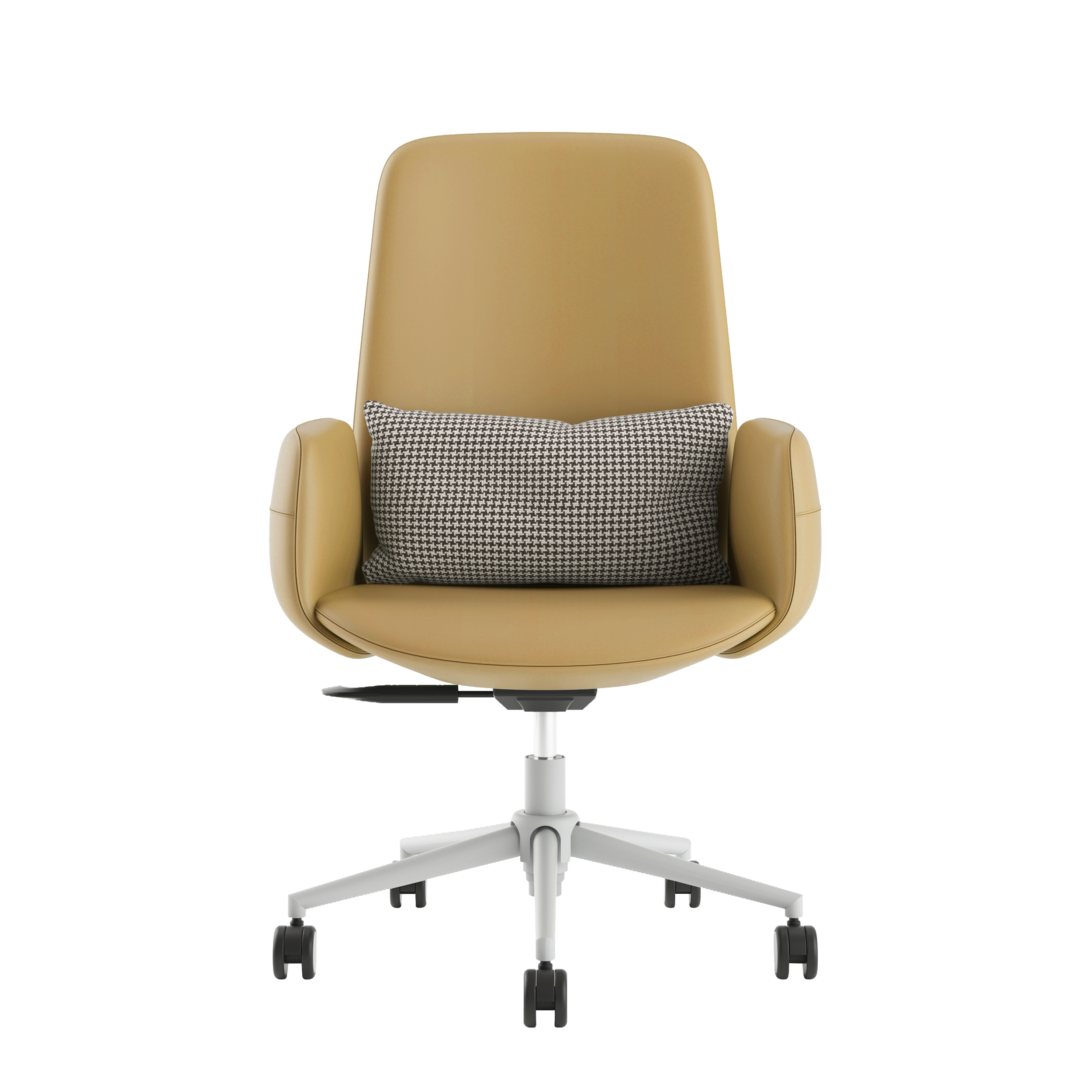
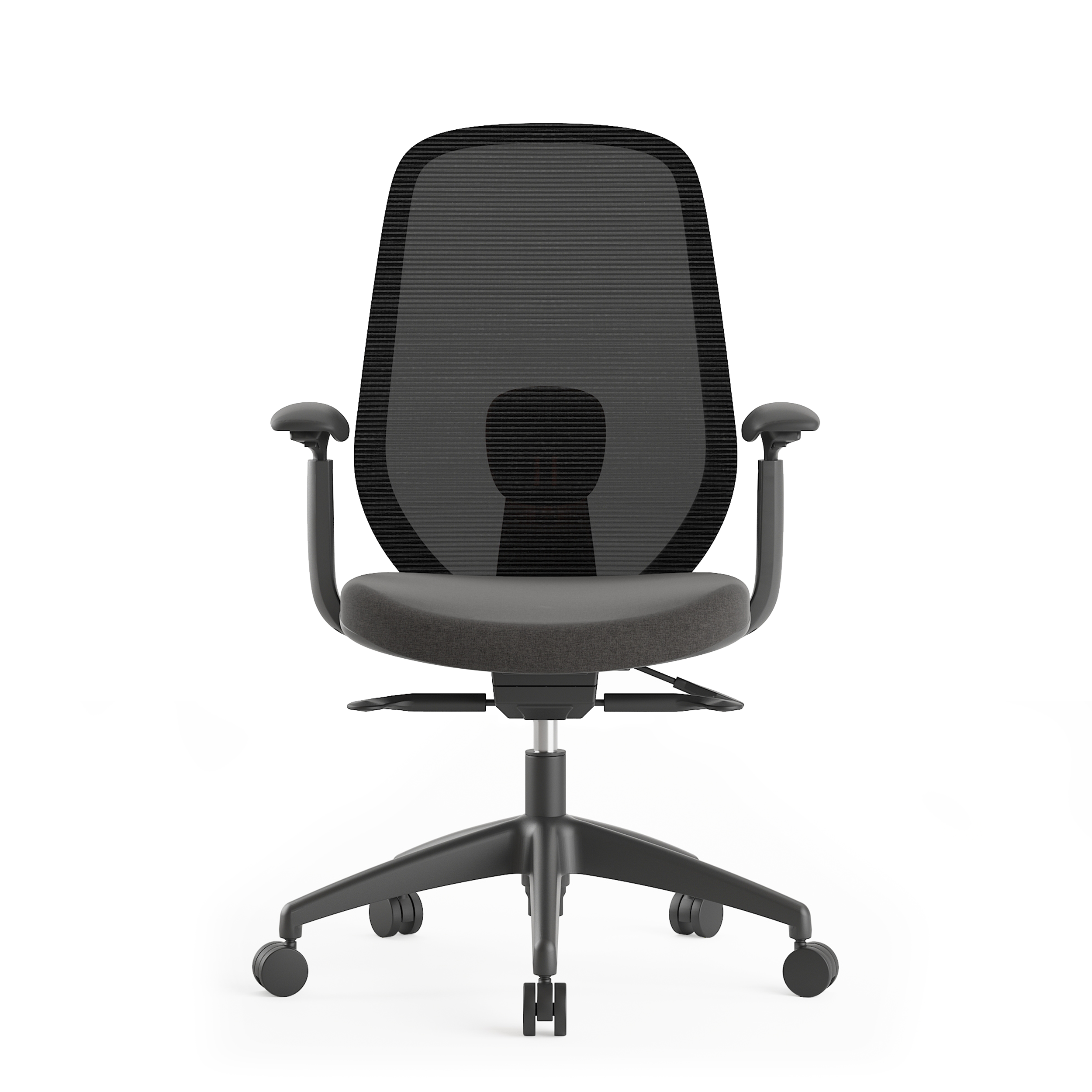
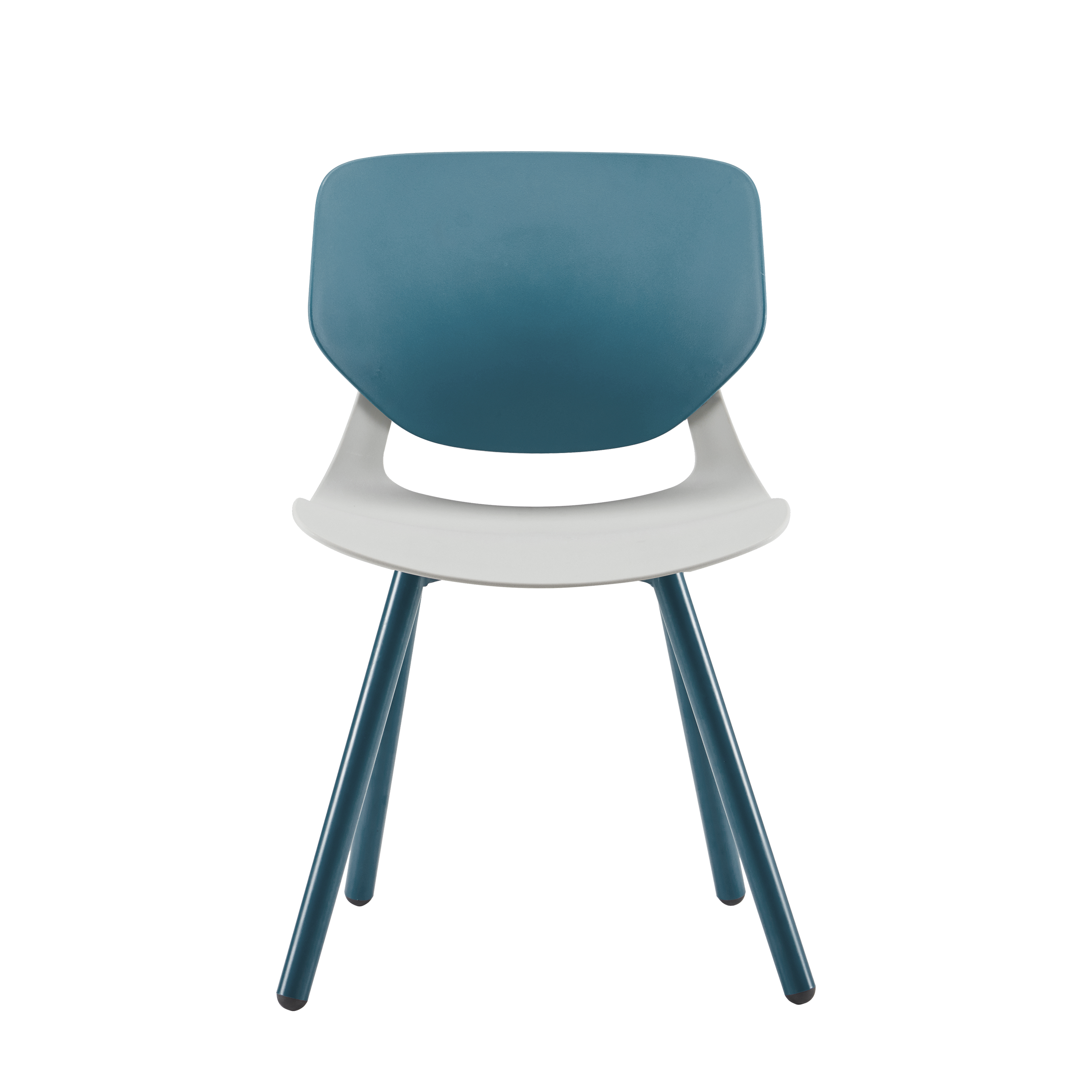
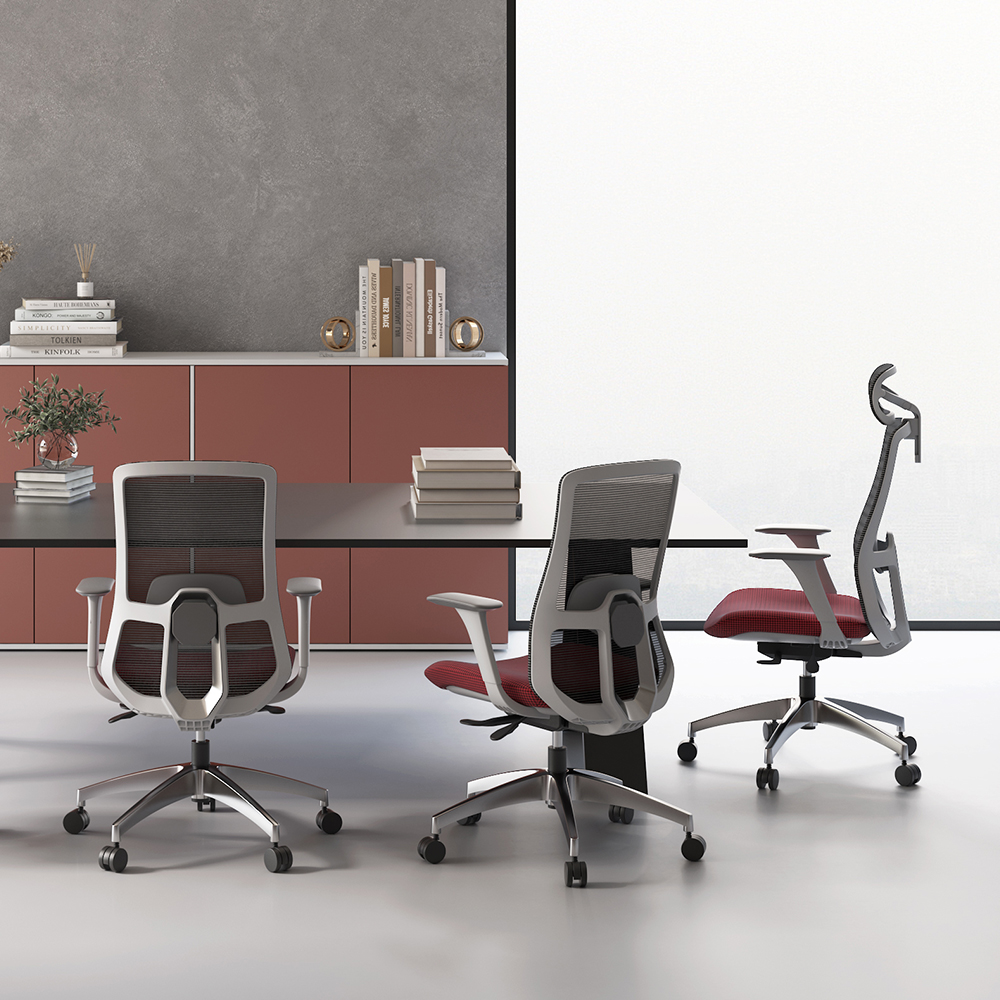
Task chairs often emphasize adjustability and support for everyday work. Meeting chairs may prioritize simplicity and visual consistency, while executive seating can place greater emphasis on materials, proportions, and a distinctive appearance.
For an office chair factory, responding to these differences requires more than reproducing existing designs. It involves understanding how people use their workspaces and translating those observations into practical product concepts.
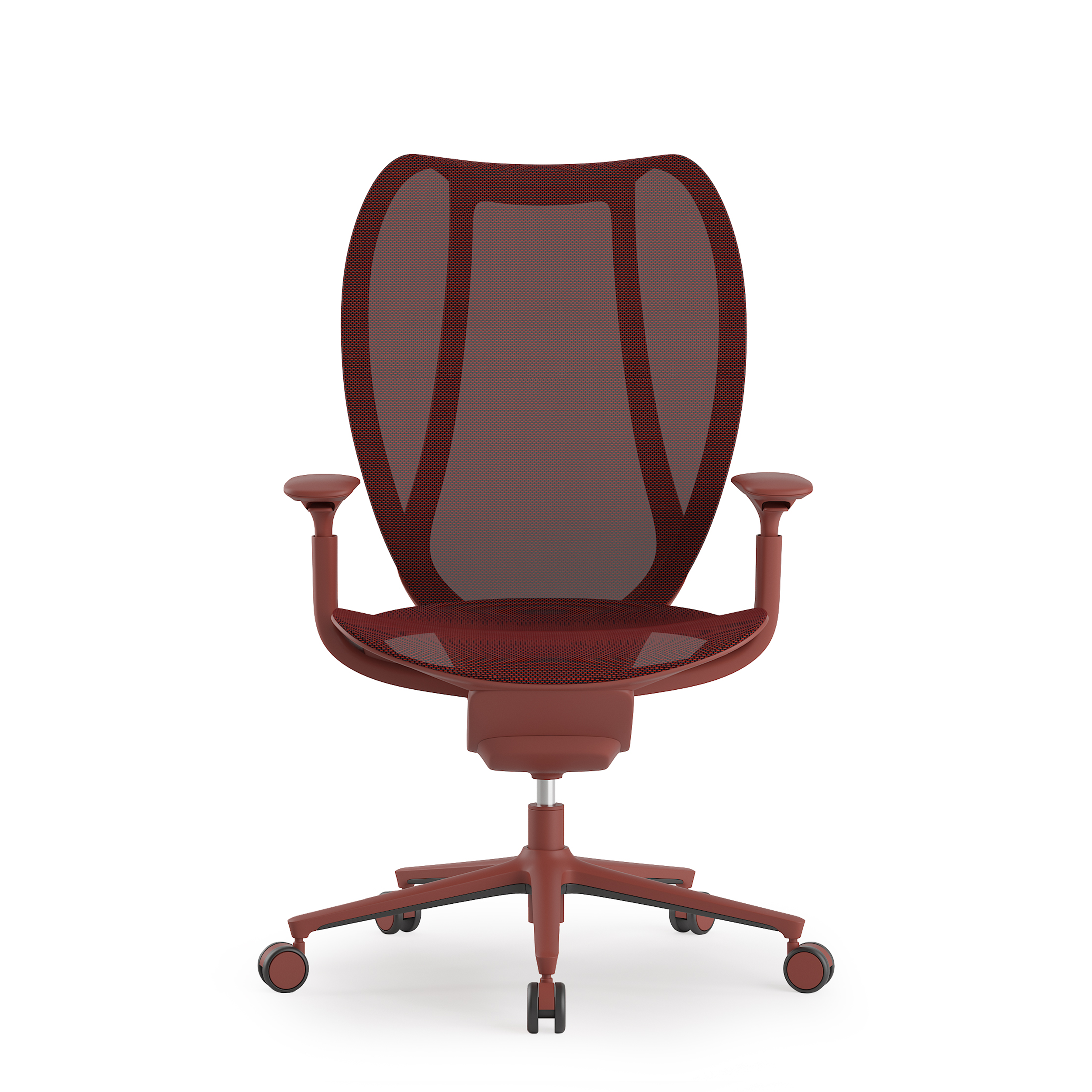
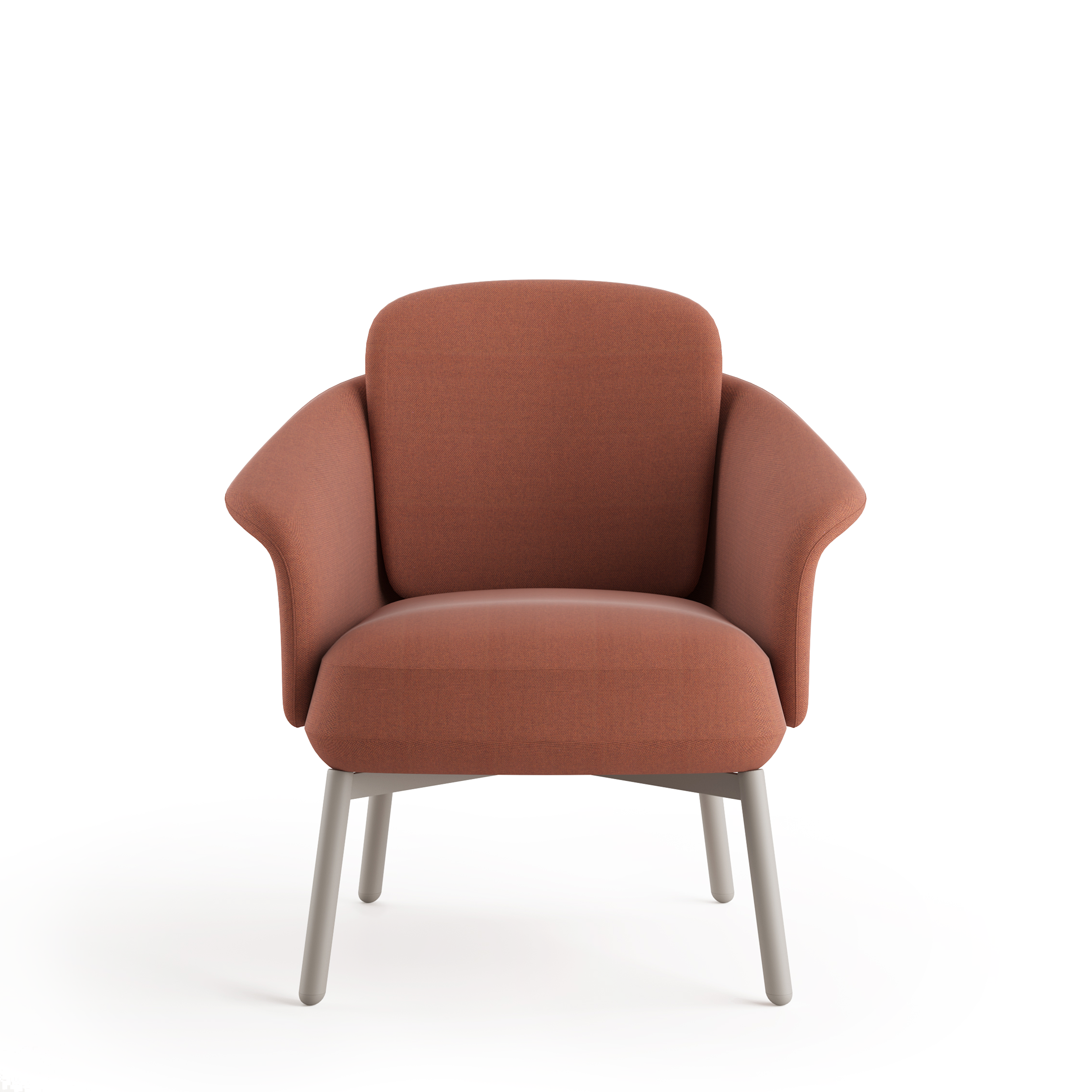
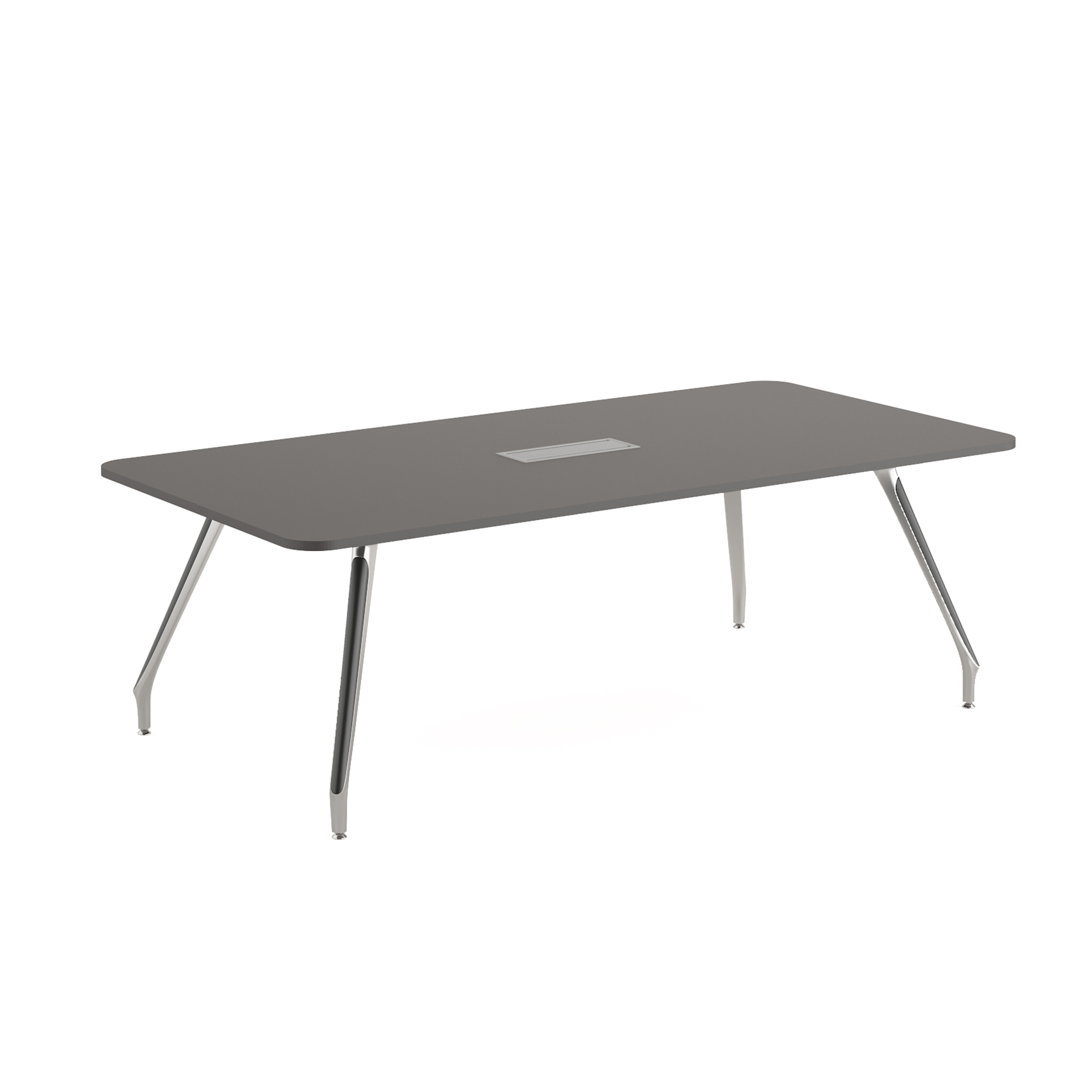
Sitstar's product portfolio includes office chairs, mesh chairs, leather and leisure seating, as well as training tables and chairs. This range reflects the diversity of modern workplace environments and the different roles seating can play within them.
Research and development is an important part of contemporary office chair manufacturing. It creates opportunities to explore new designs, refine existing functions, and respond to changing expectations in the workplace.
The development of a chair may involve investigating ergonomic features, evaluating materials, refining structural details, testing prototypes, and balancing visual design with manufacturing requirements.
These activities require collaboration between designers, engineers, and production teams. A concept needs to be visually appealing, but it must also be practical to manufacture and suitable for its intended application.
Sitstar's company information highlights a R&D team of more than 50 people, over 90 patents, and seven new chair designs developed annually. The company also works with international design resources as part of its product development approach.
These resources reflect the role of continued development in building a diverse seating portfolio. Rather than treating a chair as a finished idea that never changes, R&D creates room for refinement and new possibilities as workplace needs evolve.
A product's appearance may attract attention, but consistency is what helps maintain confidence over time.
In office chair manufacturing, consistency involves more than producing chairs that look alike. Materials, component specifications, assembly procedures, functional performance, and finishing details all contribute to the experience of the finished product.
This becomes particularly important when a product is manufactured repeatedly or supplied as part of a larger workplace project. Differences between production batches can affect the visual unity of an office environment and the experience associated with a furniture brand.
A structured manufacturing process helps coordinate these details across different stages of production. Quality control is therefore not simply a final checkpoint; it is part of the wider system used to maintain product standards.
Sitstar's manufacturing workflow includes dedicated quality control alongside production, cleaning, packaging, and delivery. Its published quality assurance information also references BIFMA, ISO, and environmental standards.
The relevant requirements and documentation naturally depend on the specific product and target market, but a clear approach to quality remains fundamental to responsible manufacturing.
Material selection is one of the most influential decisions in office chair design.
Mesh, fabric, leather, foam, metal, and engineered plastics each have different characteristics. They influence how a chair looks, feels, performs, and fits into a particular interior environment.
Mesh seating can create a light, contemporary appearance and allow airflow through the backrest. Fabric can introduce texture and warmth, while leather can create a more formal visual impression. Structural materials and internal components also affect stability, functionality, and durability.
For manufacturers, the challenge is to balance these characteristics rather than optimize for appearance alone.
Material choices must work with the product's design, intended use, manufacturing process, and maintenance requirements. When these factors are considered together, the result is a more coherent product rather than a collection of unrelated features.
This attention to materials is part of the broader design and manufacturing process that shapes an office chair's identity.
As an office chair manufacturer grows, production infrastructure becomes increasingly important.
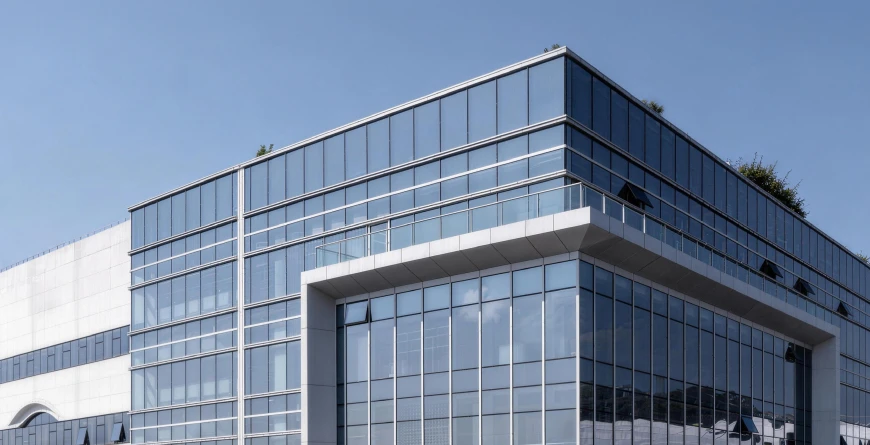
Manufacturing space, equipment, workforce coordination, and production management all contribute to the ability to organize complex operations. Scale alone does not guarantee quality, but an appropriate manufacturing foundation can support the systems needed for consistent production.
Sitstar's company information describes approximately 60,000 square meters of manufacturing space and around 300 employees. These resources form part of the company's production foundation and support its work across different seating categories.
The wider manufacturing process also illustrates why office chair production depends on coordination. Design decisions must align with material availability, component specifications, assembly methods, quality requirements, and packaging arrangements.
When these areas work together, the factory becomes more than a place where products are assembled. It becomes an environment where design and manufacturing knowledge are translated into repeatable results.
Office furniture is shaped by local workplace cultures, design preferences, and commercial environments. A product that fits one setting may require different materials, functions, or styling to suit another.
International experience gives manufacturers opportunities to observe these differences and develop a broader understanding of how office seating is used around the world.
Sitstar states that its products are distributed across 140 countries and regions. Exposure to a range of international markets forms part of the company's experience in office seating and furniture manufacturing.
This global perspective is relevant to product development because international markets are not uniform. Expectations around workplace design, materials, seating functions, and product appearance can vary considerably.
For an office chair factory, understanding these differences can help inform a more adaptable product portfolio and a broader view of changing workplace needs.
Office furniture brands often develop their own visual identity, product positioning, and customer expectations. Standard products can meet many needs, but some projects call for adjustments to materials, colors, functions, or design details.
This is where customization and product development capabilities become relevant.
OEM and ODM cooperation can connect a brand's product direction with a manufacturer's design, engineering, and production resources. Depending on the project, development may involve adapting an existing design, exploring new material combinations, or creating a product concept for a particular application.
Successful customization requires coordination. Design intentions must be evaluated alongside structural requirements, manufacturing feasibility, quality expectations, and the practical needs of the intended market.
For Sitstar, design and R&D resources form part of the foundation for developing seating products across different categories. This creates opportunities to explore product variations while maintaining a connection between design and manufacturing.
Quality is not simply a feature attached to a finished product. It reflects the decisions made throughout product development and manufacturing.
The selection of materials, design of structural components, control of assembly processes, and consistency of inspection all contribute to product quality. Each stage presents an opportunity to identify issues and improve the final result.
For office chairs, this approach matters because products are used repeatedly in everyday working environments. Their value depends not only on initial appearance but also on how well their construction and functions continue to serve their intended purpose.
Sitstar's published company information states that its office chairs are covered by a five-year quality warranty. Specific warranty coverage depends on the applicable product and terms, but the policy forms part of the company's stated approach to product support.
A long-term view of quality also encourages manufacturers to learn from production experience, refine designs, and continually improve their processes.
Office chair manufacturing continues to evolve alongside changes in workplace design, employee expectations, and commercial interiors.
Ergonomic adaptability remains important, while visual design, material choices, sustainability, and flexible applications are receiving greater attention. Businesses increasingly view workplace furniture as part of a wider environment that influences how people work and interact.
These changes create new opportunities for manufacturers to combine traditional production expertise with design thinking and product development.
For Sitstar, the combination of manufacturing infrastructure, R&D resources, and international market experience provides a foundation for continuing to develop its seating portfolio. The company's experience also reflects a wider shift in the office furniture industry: manufacturing is increasingly connected with design, innovation, and a deeper understanding of how people use their workspaces.
Choosing an office chair factory ultimately means understanding the capabilities and thinking behind its products.
Manufacturing infrastructure provides the foundation. Design determines how a product responds to its intended environment. R&D creates opportunities for improvement, while quality management helps maintain consistency throughout production.
These capabilities are most meaningful when they work together.
Sitstar brings together more than 14 years of experience, approximately 60,000 square meters of manufacturing space, around 300 employees, a R&D team of more than 50 people, and a portfolio of over 90 patents. Its products reach markets across 140 countries and regions, reflecting experience in serving a diverse range of international customers.
These facts are part of a broader manufacturing story: the development of an office seating company that combines production resources with ongoing product development and design.
For Sitstar, an office chair is not simply an item moving through an assembly line. It is the result of coordinated decisions about people, materials, design, engineering, and manufacturing.
As workplaces continue to change, this combination of practical experience and continued development will remain important to the future of office seating.
An office chair factory is directly involved in manufacturing activities, which may include production planning, assembly, quality control, and coordination of manufacturing processes. The exact scope varies by company, so its actual capabilities should be understood through its production operations and product development resources.
R&D supports the development of new designs, ergonomic features, materials, and structural solutions. It also helps manufacturers refine existing products as workplace needs and design preferences change.
Material preparation, component specifications, assembly procedures, and quality inspection all influence the finished product. Coordinating these stages helps manufacturers maintain product consistency and identify potential issues during production.
Customization allows products to respond to different design directions, workplace environments, and brand requirements. Depending on the manufacturer's capabilities, it may involve materials, colors, functions, or broader product development.
International experience exposes manufacturers to different workplace environments, design preferences, and market expectations. This broader perspective can inform product development and help build a more adaptable seating portfolio.
An office chair factory is defined by more than its production space or the number of chairs it can manufacture. Its wider capabilities emerge through the relationship between design, R&D, materials, manufacturing processes, quality management, and market experience.
Sitstar's manufacturing foundation, product development resources, and international reach reflect the different elements involved in modern office seating production.
As the workplace continues to evolve, office chairs will remain an important connection between furniture design and everyday working life. Manufacturers that continue to develop their products, understand changing environments, and bring design together with manufacturing expertise will help shape what office seating becomes next.
 Hot News
2026-10-20
2026-10-17
2026-10-15
2026-08-24
2026-08-20
2026-08-17

 EN