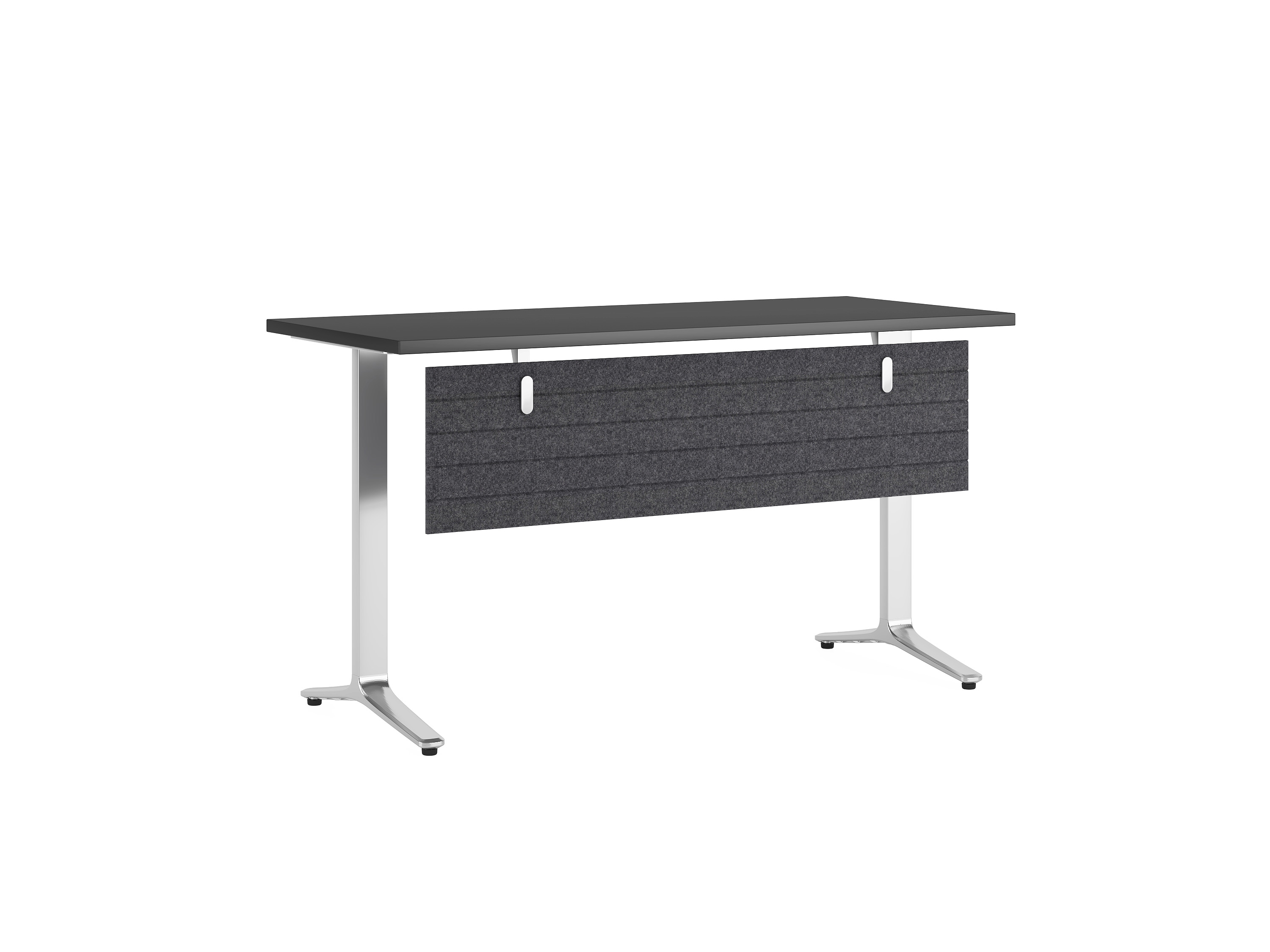
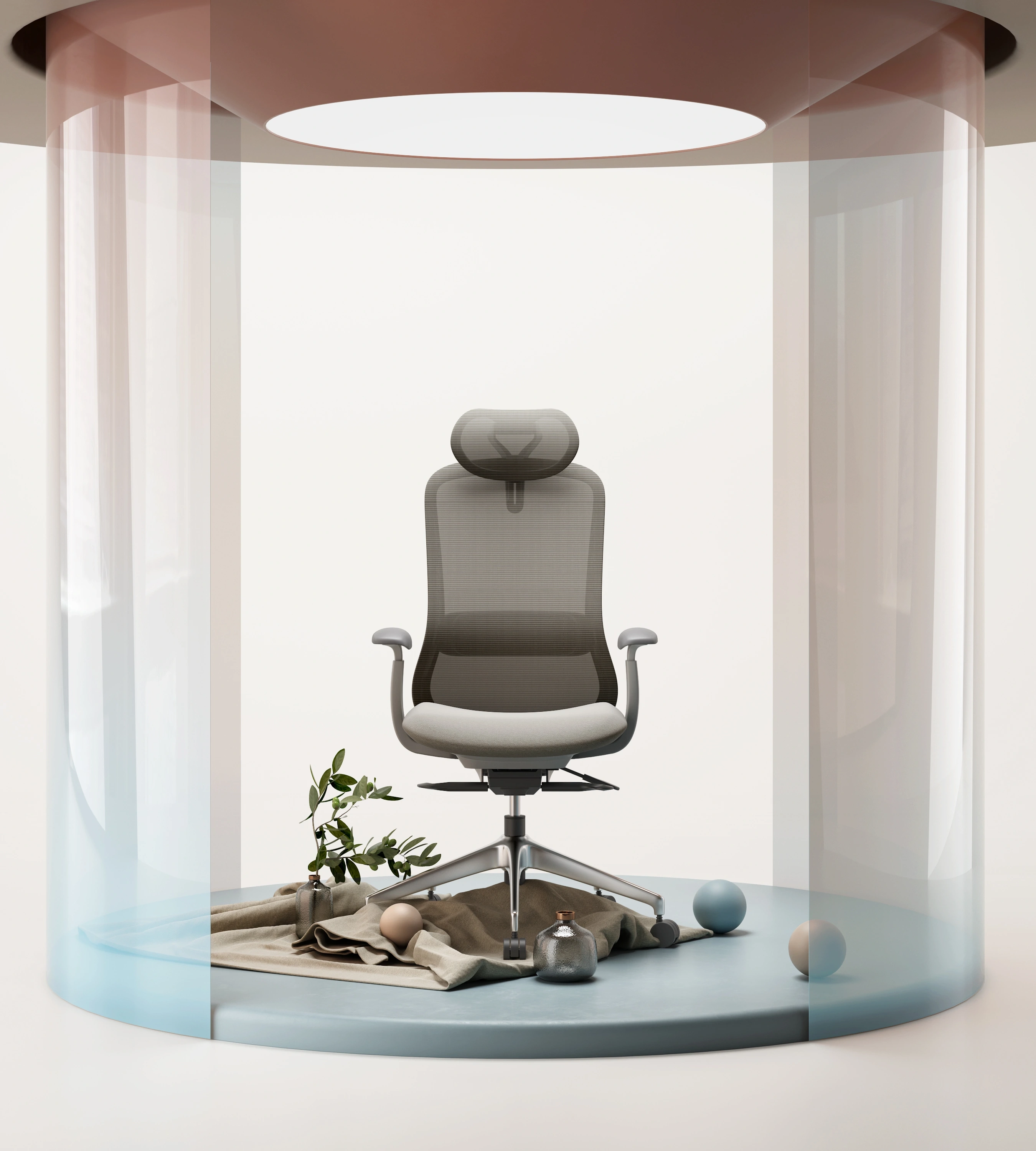
Selecting the right training chair for your corporate learning center represents a critical investment in employee comfort, engagement, and long-term health outcomes. Unlike standard office seating, a training chair must balance mobility, support, and durability while accommodating diverse body types and learning scenarios. The difference between a generic desk chair and a purpose-built training chair directly impacts participant satisfaction, focus duration, and the overall effectiveness of your training programs. Organizations that invest deliberately in quality training chair solutions consistently report higher training completion rates and fewer musculoskeletal complaints among employees.
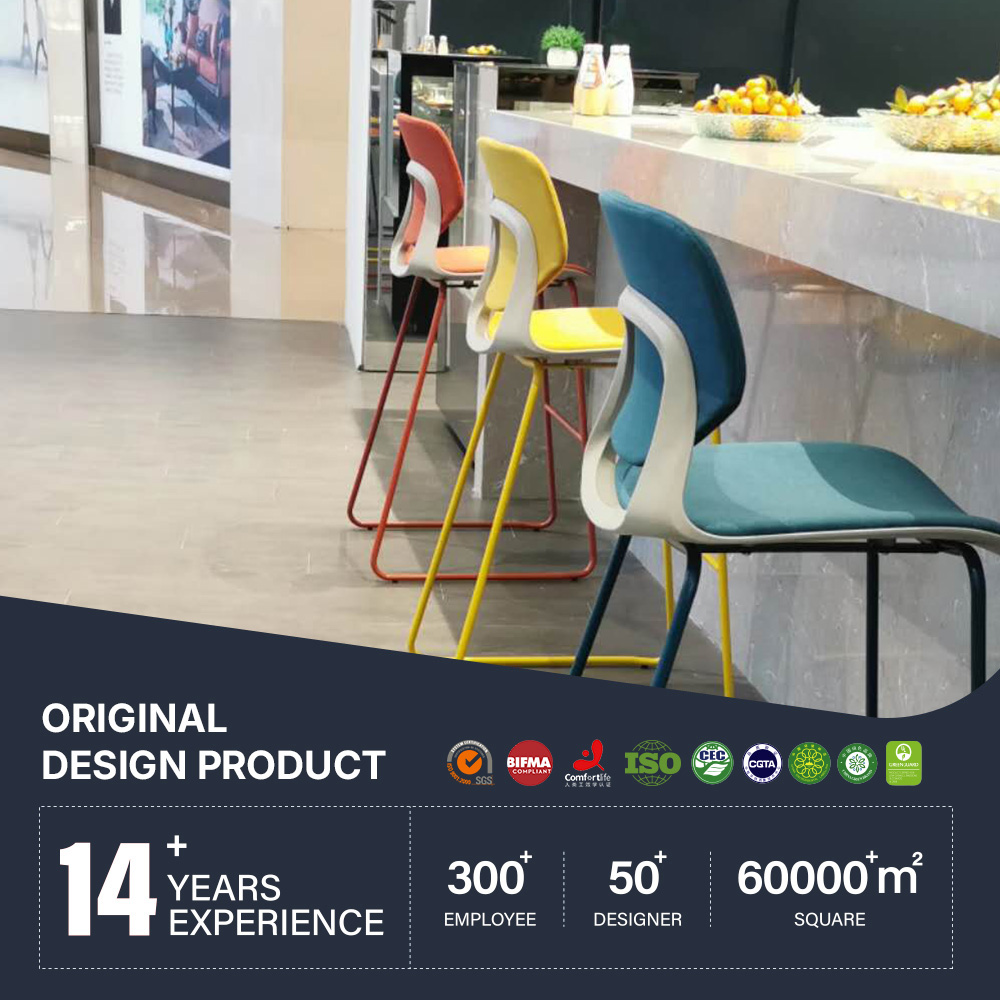
Corporate learning environments demand specialized furniture solutions that support multiple seating positions throughout extended training sessions. Whether your learning center hosts half-day workshops, full-day conferences, or multi-week certification programs, the right training chair enables participants to remain engaged without physical distraction. This guide walks through the essential factors that distinguish an effective training chair from an ordinary office seat, helping you make informed purchasing decisions aligned with your organizational priorities.
Training environments present unique challenges that standard office furniture cannot fully address. A training chair operates in a dynamic context where participants shift between listening, note-taking, group discussion, and collaborative activities. The transition frequency and varied postures create demands that exceed typical office workstation use. Additionally, a training chair must accommodate multiple users with different anthropometric measurements throughout the day, requiring more flexible adjustment ranges than personal office seating.
Corporate learning centers also prioritize aesthetics and professionalism alongside functionality. A training chair contributes to the perceived quality and credibility of your training program. When participants see modern, well-maintained seating, they unconsciously elevate their expectations and engagement level. The investment in quality training chair seating communicates organizational commitment to employee development and workplace wellbeing.
Extended sitting demands that a training chair maintain lumbar support and pressure distribution over four, six, or even eight-hour periods. Poor ergonomic support leads to fatigue, posture degradation, and reduced information retention. A well-designed training chair includes built-in mechanisms that encourage postural variation rather than forcing static positions. Swivel bases, seat height adjustability, and armrest flexibility allow participants to shift positions subtly without disrupting the learning experience.
Movement between training activities represents another critical factor in training chair selection. Participants frequently stand, move to breakout areas, and return to different seating positions throughout the day. A training chair built for these dynamics features smooth-rolling casters, responsive tilt mechanisms, and lightweight construction that facilitates rapid repositioning without noise or damage to flooring.
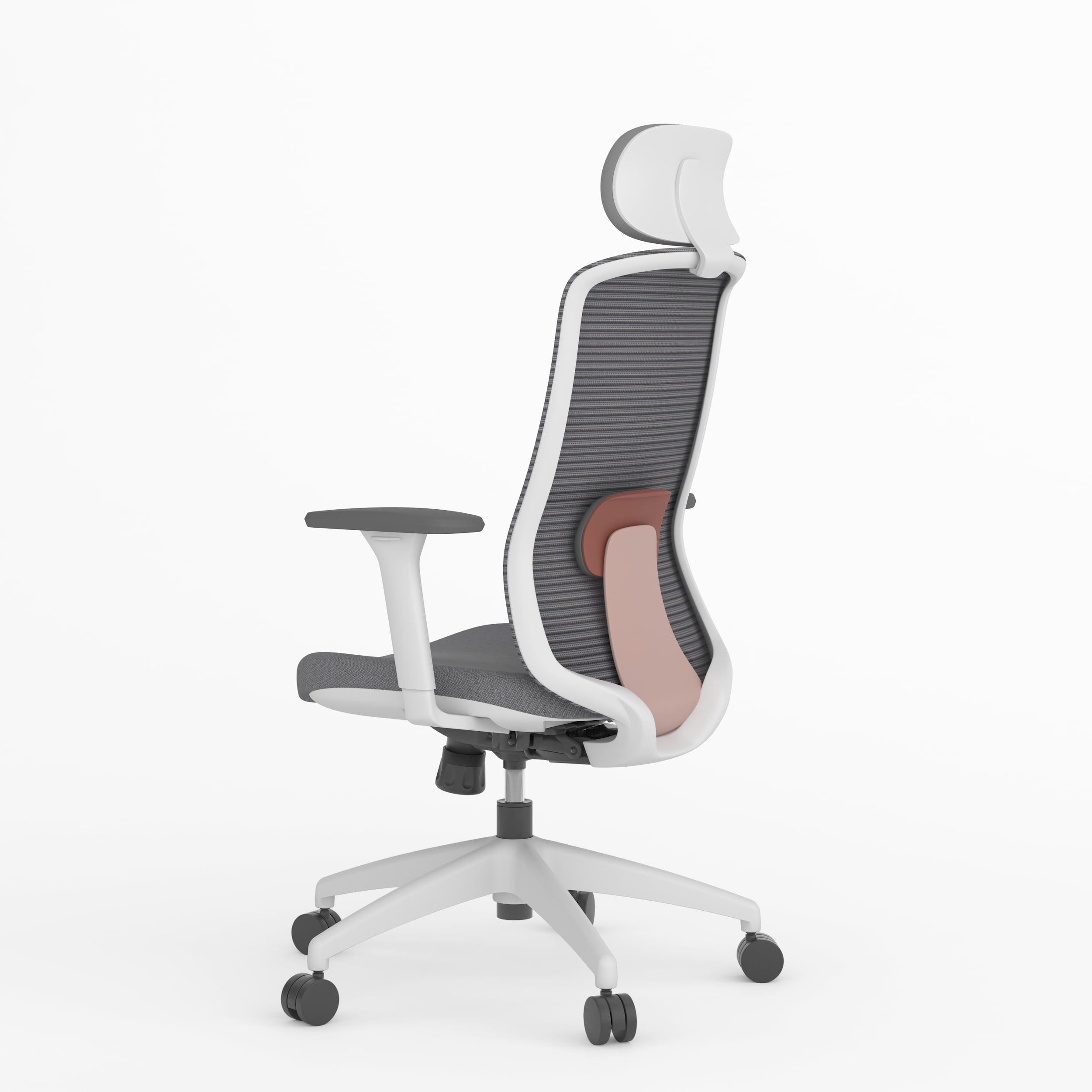
An effective training chair starts with a properly contoured seat pan that distributes weight evenly across the thighs. The seat depth should accommodate users between the 5th and 95th percentile of body heights, typically ranging from 16 to 18 inches. Backrest height in a quality training chair reaches mid-scapula to provide cervical spine support without restricting shoulder movement during note-taking or collaborative activities. Lumbar support mechanisms in a training chair should adjust vertically to align with individual spinal curves rather than forcing a universal curve.
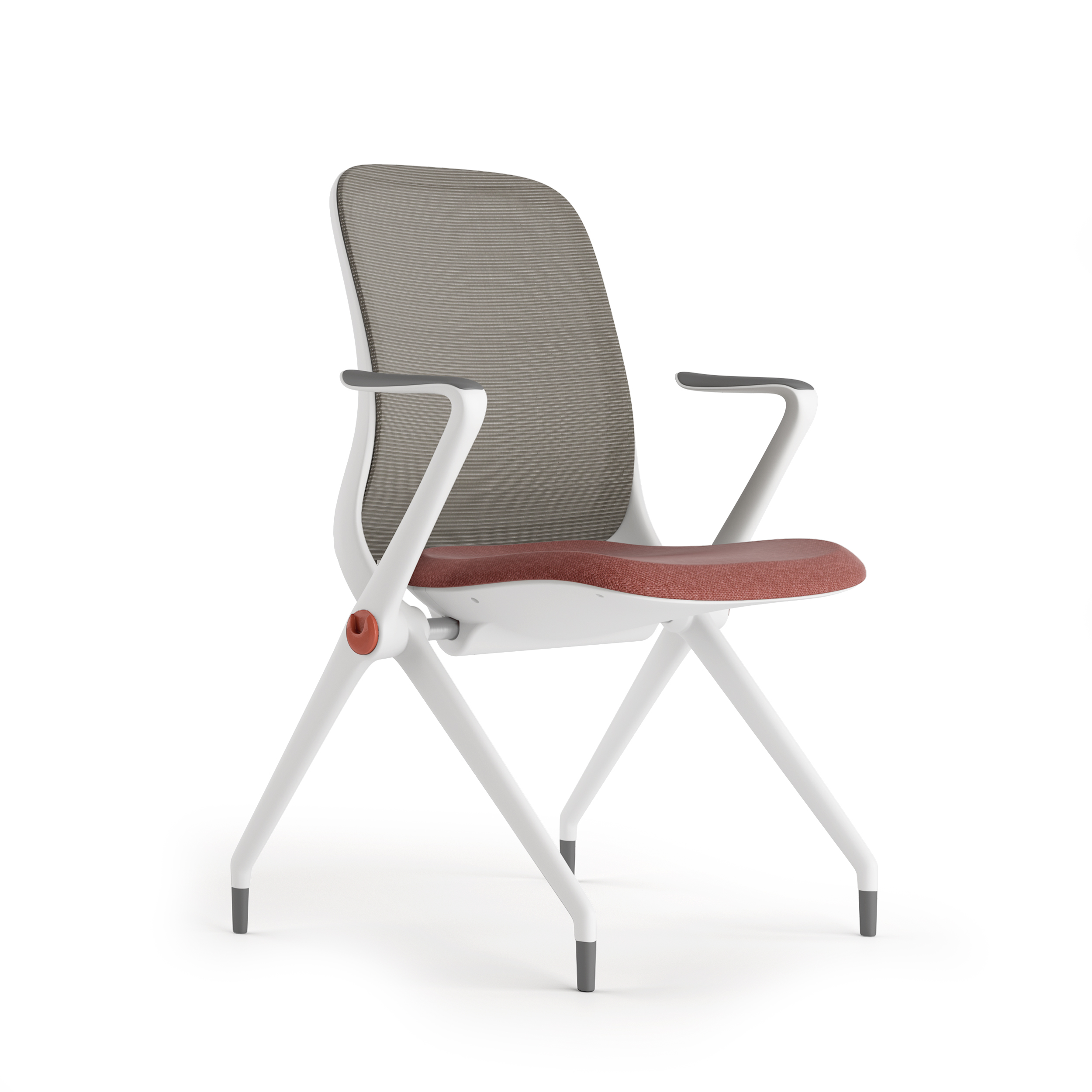
Armrest design significantly influences whether a training chair facilitates or hinders training activities. Fixed armrests create obstacles when participants need to write, use tablets, or sit shoulder-to-shoulder during group work. The most versatile training chair models include adjustable or removable armrests that adapt to specific session requirements. Height adjustment in armrests should match the seated elbow height of diverse users, preventing shoulder strain during extended writing periods.
A training chair in commercial use endures significantly higher wear cycles than individual office seating. Material selection directly determines whether your training chair investment maintains appearance and function over three to seven years. High-performance fabrics resist staining and abrasion while maintaining breathability for all-day comfort. Mesh backing in a training chair promotes air circulation during warm training sessions, preventing heat accumulation that contributes to participant discomfort.
Frame construction determines long-term reliability of your training chair investment. Metal components should feature corrosion-resistant finishes to withstand cleaning products and environmental exposure in learning spaces. Gas cylinders, tilt mechanisms, and caster assemblies in a training chair require industrial-grade specifications rather than consumer-grade components. Reinforced bases distribute weight more effectively than standard designs, extending training chair lifespan and reducing maintenance costs.
Different training formats require different training chair specifications. Half-day workshops benefit from lighter training chair models with basic adjustment range, while certification programs demand premium training chair solutions with enhanced lumbar support and seat cushioning. Calculate your typical session duration and activity frequency to determine whether your facility requires a higher-specification training chair or if mid-range options suffice. Organizations hosting daily eight-hour training sessions justify investment in chairs with superior ergonomic ratings and materials.
The mix of learning activities shapes training chair requirements considerably. Lecture-heavy programs prioritize training chair comfort and support, while highly interactive sessions emphasize mobility and adaptability. Some facilities deploy multiple training chair types across different classroom configurations, using lightweight stackable training chair models in breakout spaces and premium ergonomic designs in main training halls.
Evaluating training chair costs requires looking beyond initial purchase price to include maintenance, replacement frequency, and employee health outcomes. A low-cost training chair that requires replacement every three years costs more over five years than a premium training chair lasting seven years. Additionally, poor ergonomic support in training chairs correlates with workplace injury claims and reduced training program effectiveness, creating hidden costs beyond furniture replacement.
Organizations should allocate budget for training chair quantity based on session overlap and facility utilization patterns. A learning center hosting simultaneous sessions requires more training chair units than facilities with sequential programming. Calculate total seating needs across all active training spaces, then apply a 10-15 percent buffer for growth and maintenance flexibility. This comprehensive approach to training chair budgeting prevents mid-year funding crises and ensures consistent participant comfort.
Proper seat height in a training chair positions the seated participant with feet flat on the floor and knees at approximately 90 degrees. Thighs should parallel the floor without pressing against the seat edge. For diverse user populations in a learning center, a training chair should offer height adjustment from 17 to 21 inches to accommodate different user proportions. The most inclusive training chair models include footrests for users on the lower end of the height range.
Commercial-grade training chair upholstery requires regular maintenance to preserve appearance and hygiene. Most high-performance training chair fabrics can be spot-cleaned with mild soap and water solutions. Mesh-backed training chair models typically require only vacuuming and occasional damp wiping. Establish a quarterly deep-cleaning schedule for your training chair inventory to maintain professional appearance and extend material lifespan. Always verify the manufacturer's cleaning guidance for your specific training chair model.
The choice between fabric and mesh depends on your facility's climate and maintenance resources. Mesh-backed training chair models excel in warm environments and facilities with limited cleaning capability due to their easy maintenance and durability. Fabric training chair options provide a more formal appearance suited to executive training programs and offer superior sound dampening in echo-prone spaces. Many organizations use both types, deploying mesh training chair models in casual breakout areas and fabric-backed training chair seating in primary training halls.
 Hot News
2026-08-24
2026-08-20
2026-08-17
2026-08-03
2026-08-10
2026-07-30

 EN
EN