Modern businesses are rethinking how they structure physical workspaces to accommodate flexible work arrangements. Office seating plays a critical role in this transformation, serving as the foundation for creating adaptable, productive environments that support both collaborative and focused work. When organizations invest in thoughtful office seating solutions, they enable teams to work comfortably across different settings, whether employees are in the office full-time, part-time, or on a hybrid schedule. The challenge lies in selecting and arranging office seating that balances comfort, flexibility, mobility, and cost-efficiency while supporting the evolving needs of a dynamic workforce.
Planning office seating for flexible work environments requires understanding your organizational needs, employee behaviors, and spatial constraints. This process extends beyond simply purchasing chairs and desks; it involves designing a layout that encourages movement, supports multiple work modes, and adapts as business priorities shift. Organizations that approach office seating strategically see improvements in employee satisfaction, collaboration, and space utilization. The right office seating strategy ensures that every square foot of your workspace generates value and that team members have comfortable, suitable options for their daily tasks.
Before selecting office seating options, evaluate how different teams use the workspace. Some employees may need dedicated focus areas with ergonomic office seating, while others require flexible, mobile solutions for collaboration. Remote workers who visit occasionally need comfortable, plug-and-play office seating that requires no personal setup. Understanding these patterns helps you allocate budget efficiently and choose office seating types that match actual usage patterns. Conduct surveys, observe current workspace behavior, and analyze scheduling data to build a clear picture of demand across different areas and times of week.
Flexible work environments typically use lower ratios of office seating to employees, often ranging from 0.7 to 0.9 seats per employee. This ratio reflects reduced in-office occupancy while maintaining enough quality office seating to serve peak days. Rather than assigning permanent desks, organizations create neighborhoods of office seating stations, each optimized for specific activities. Consider reservation systems, hot-desking arrangements, and neighborhood-based office seating clusters. This approach reduces real estate costs while ensuring that available office seating meets functional and comfort standards for the employees who are present on any given day.
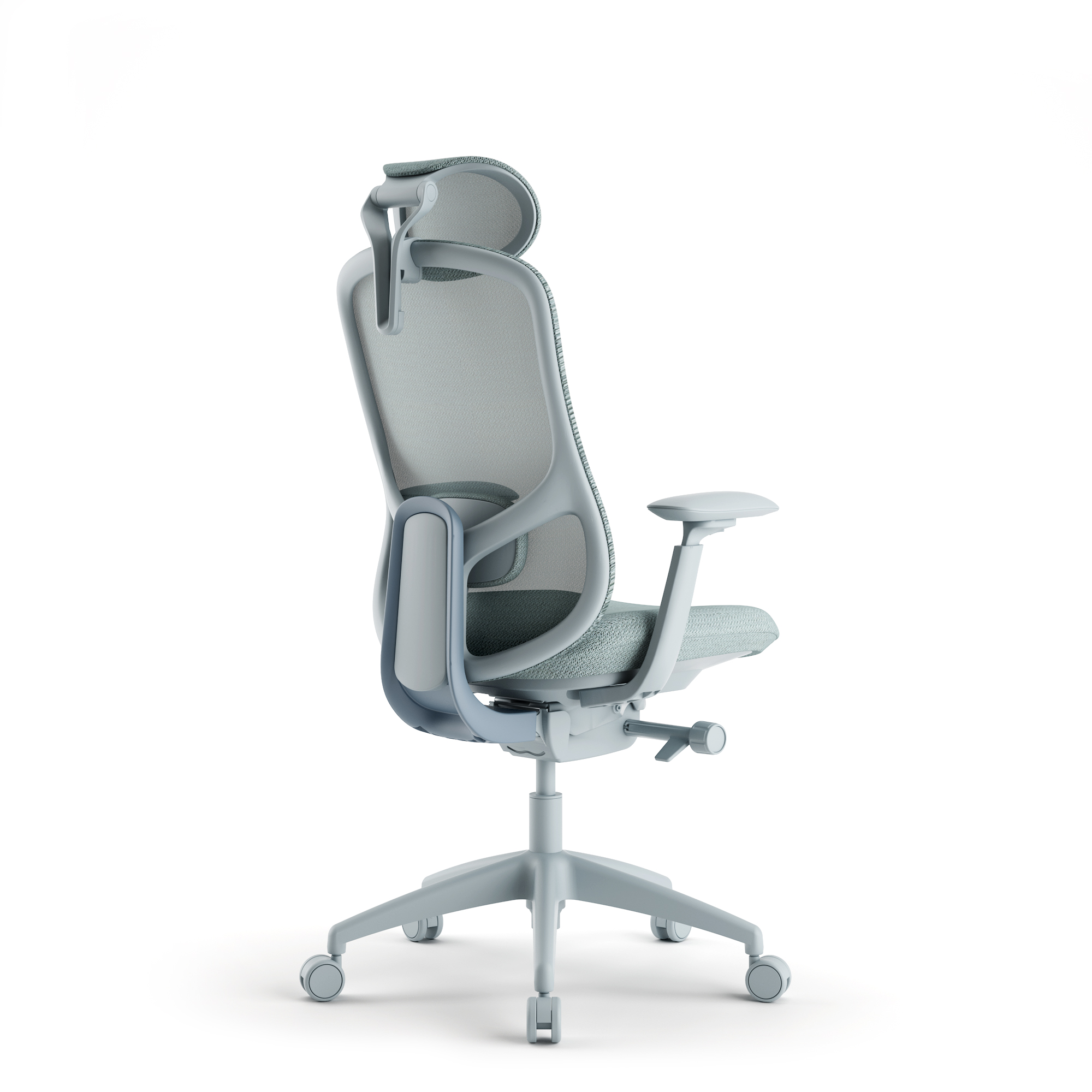
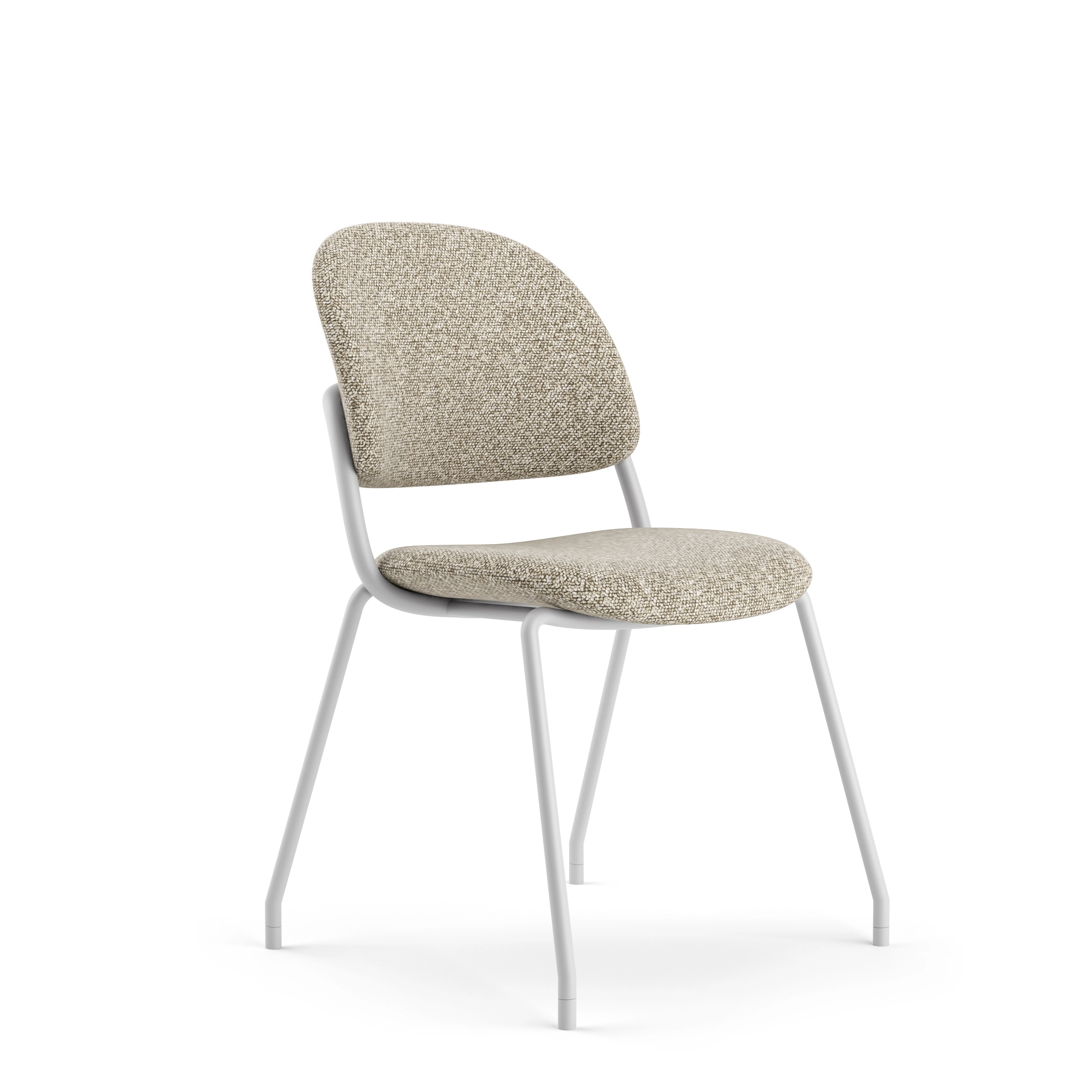
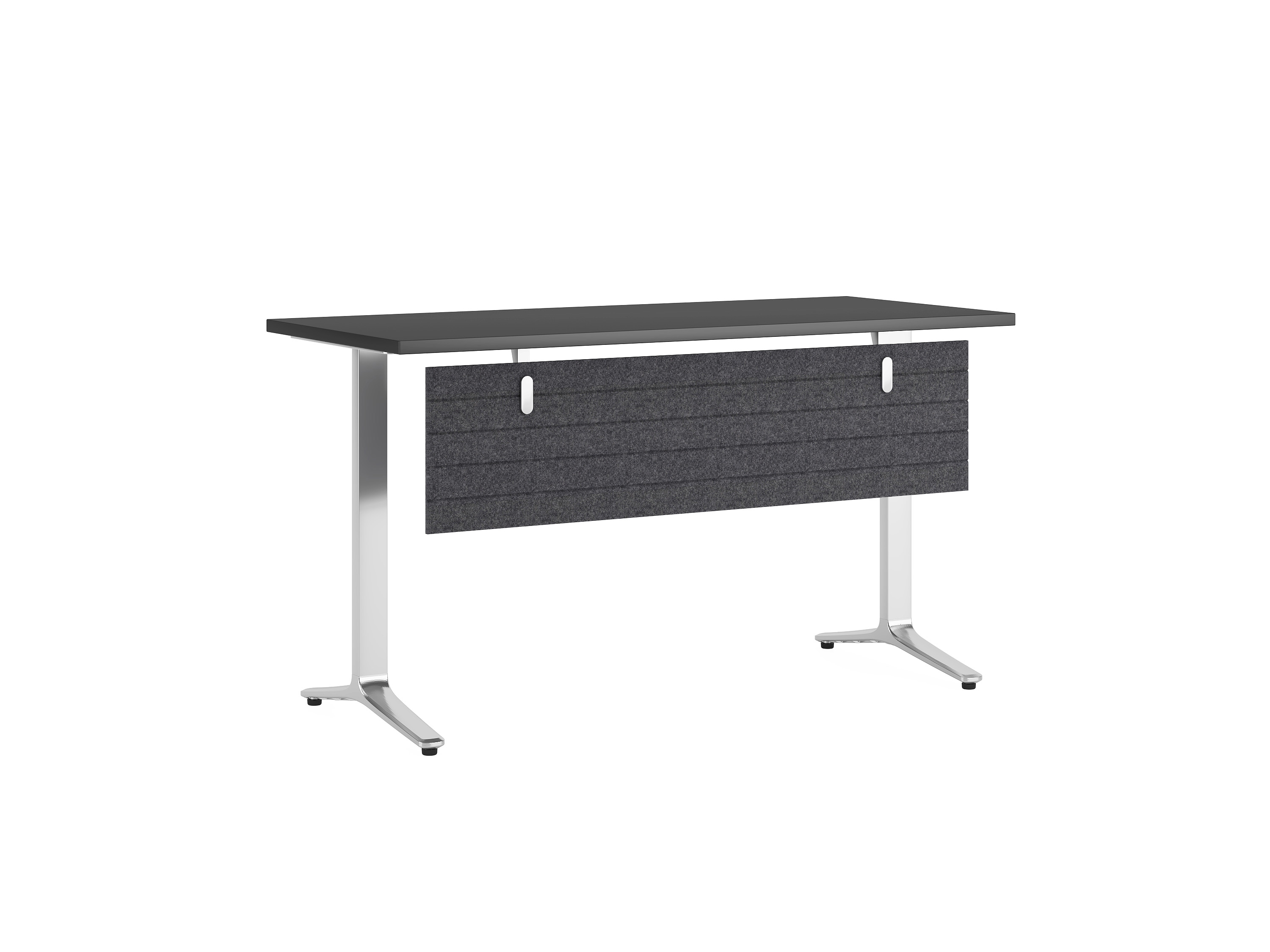
Effective office seating planning requires a mix of furniture types that serve distinct purposes. Focus areas need ergonomic office seating with adjustable heights, lumbar support, and minimal distractions. Collaboration zones benefit from lightweight, mobile office seating that encourages movement and conversation. Meeting rooms require professional, comfortable office seating that supports extended sessions. Phone booths and quiet zones need high-backed office seating to provide acoustic privacy and reduce visual distractions. By segmenting your office seating selections, you create a more responsive workspace where employees find appropriate furniture for their immediate needs rather than compromising with generic solutions.
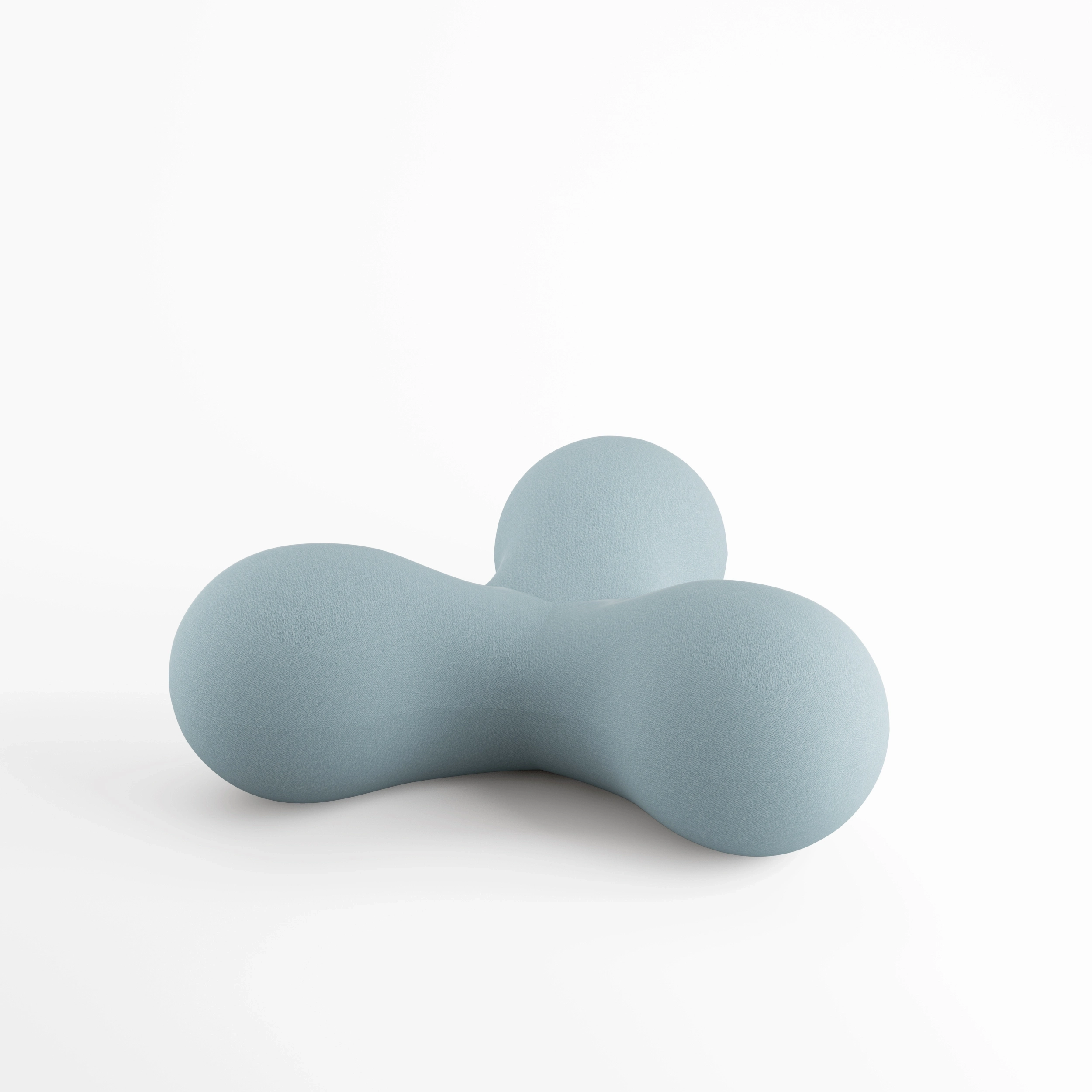
Organize office seating into activity-based neighborhoods rather than traditional rows or cubicles. Group office seating around specific functions: a focus zone with individual office seating for deep work, a collaboration island with agile office seating clusters, a casual lounge with comfortable office seating for informal meetings, and phone pods with private office seating. This approach naturally guides employees toward the right office seating option based on their current task. Design traffic patterns that encourage movement, with office seating arrangements that create sightlines and minimize bottlenecks. Neighborhoods make office seating management simpler and give employees autonomy to choose environments that support their productivity.
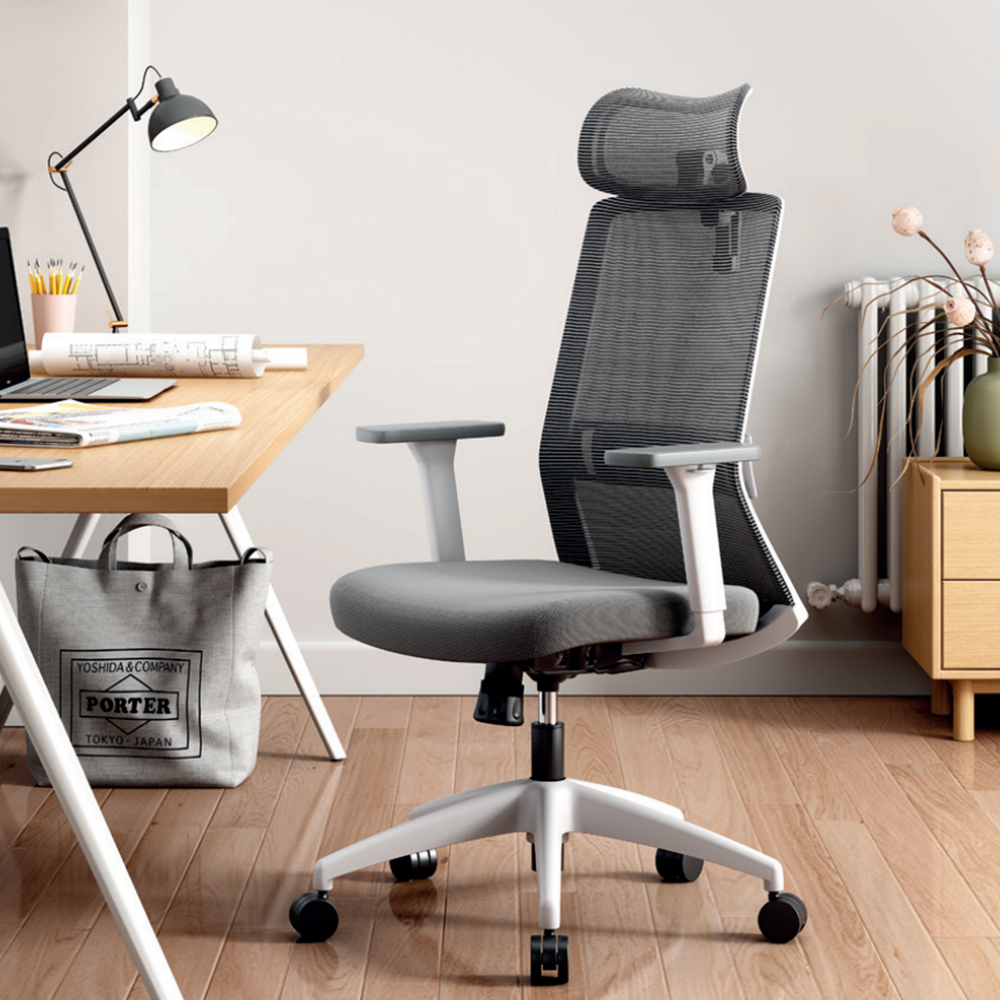
Quality office seating directly impacts employee health, engagement, and retention. Invest in office seating that offers lumbar support, adjustable seat height, armrests, and breathable materials to reduce fatigue and musculoskeletal strain. Even in shared environments, office seating should accommodate diverse body types and work styles. Poor office seating choices lead to discomfort, reduced productivity, and potential injury claims. Conduct ergonomic assessments to verify that selected office seating meets industry standards. Test office seating samples before large purchases, and gather feedback from actual users. Employee wellness builds loyalty and reduces absenteeism, making quality office seating an investment in organizational health, not just a facility cost.
Flexible work environments evolve as business needs change, so choose office seating that adapts without requiring complete replacement. Mobile office seating, modular components, and reconfigurable neighborhoods allow rapid adjustments when team structures shift or occupancy patterns change. Select office seating in neutral colors and timeless designs that age well and remain relevant across multiple workspace reconfigurations. Consider leasing options for some office seating categories to avoid being locked into specific configurations. Sustainable office seating materials and refurbished furniture options reduce environmental impact while supporting budget flexibility. Planning office seating with adaptability in mind ensures your workspace investment remains valuable as organizational priorities evolve over years, not months.
Most flexible work environments operate effectively with 0.7 to 0.9 office seating spaces per employee. This ratio varies based on your occupancy patterns, industry, and job functions. Remote-heavy organizations may use lower ratios, while client-facing businesses may need higher coverage. Analyze your peak occupancy data, peak day staffing levels, and work mode requirements to determine the right office seating count for your specific situation. Start conservatively and adjust based on employee feedback and actual usage patterns once your office seating arrangement is operational.
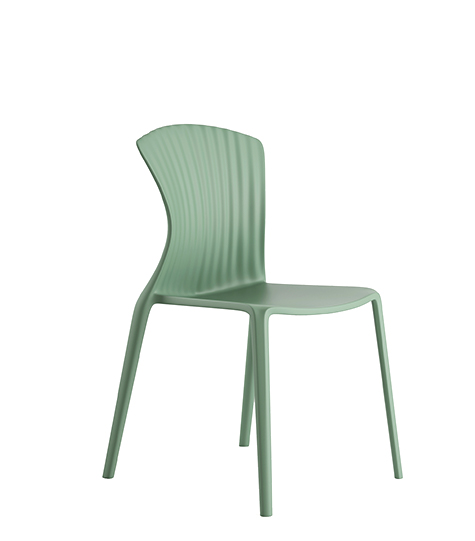
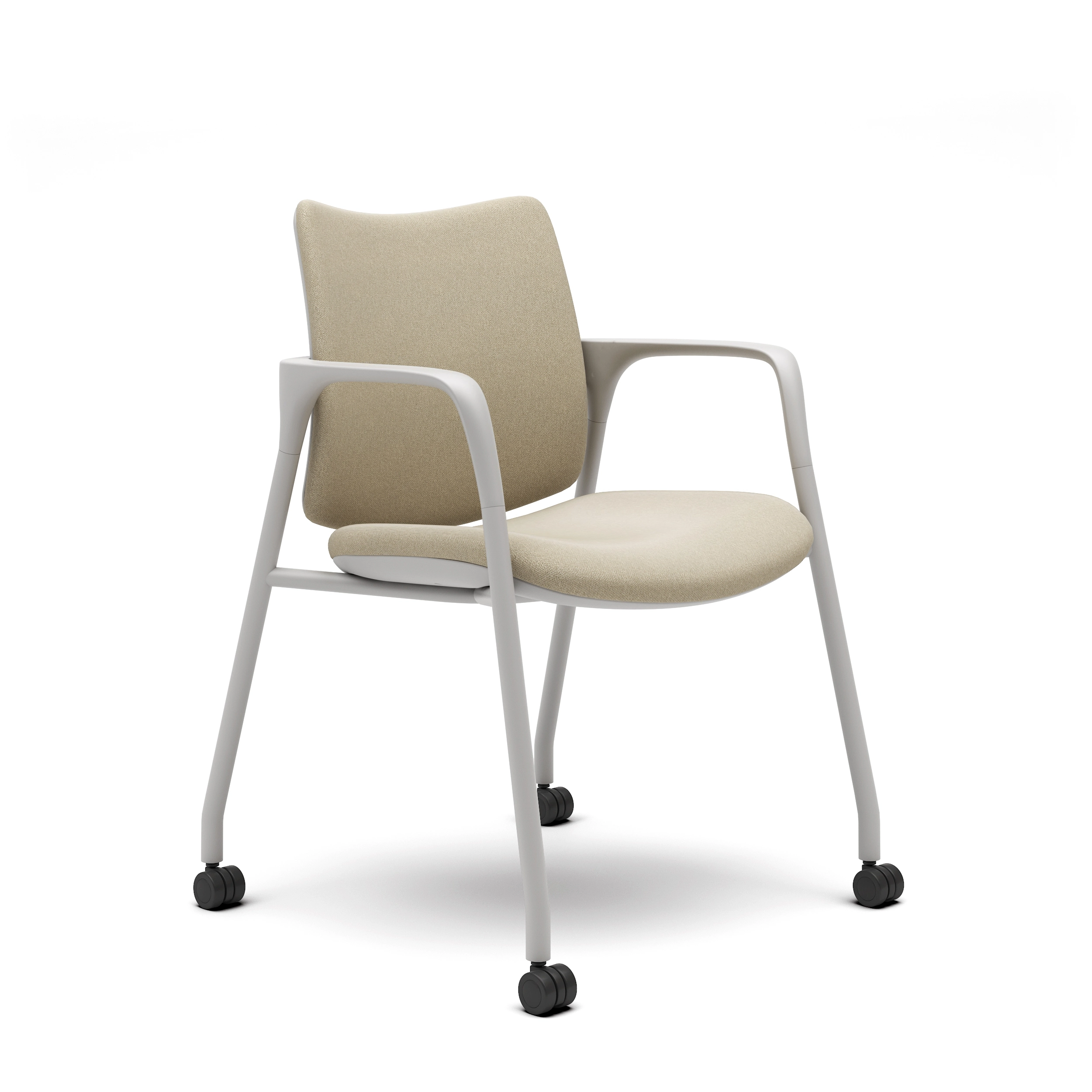
Collaborative zones benefit from mobile, lightweight office seating that can be easily rearranged and repositioned. Look for office seating with wheels, stackable designs, and minimal footprints so teams can quickly reconfigure the space. Ensure office seating in collaboration areas is durable enough to withstand frequent movement and flexible enough to support groups of varying sizes. Choose office seating in warm, welcoming colors that encourage energy and engagement. Avoid heavy, permanently positioned office seating that locks the space into a single configuration and restricts team flexibility.
Sustainable office seating offers long-term cost and environmental benefits that align with modern organizational values. Look for office seating made from recyclable materials, renewable fabrics, and responsibly sourced components. Quality office seating constructed from durable materials lasts longer, reducing replacement cycles and waste. Consider refurbished or remanufactured office seating options that deliver the same performance at lower environmental and financial cost. Many employees prefer working in environmentally conscious spaces, and sustainable office seating choices support recruitment and retention efforts while demonstrating corporate responsibility.
 Hot News
2026-08-24
2026-08-20
2026-08-17
2026-08-03
2026-08-10
2026-07-30

 EN
EN