Schools and healthcare facilities are more than functional buildings. They are indoor environments where students, teachers, healthcare professionals, administrative staff, and visitors spend a significant amount of time. The furniture used in these spaces contributes to their appearance, usability, and overall indoor environment.
As awareness of indoor air quality continues to grow, low-emission furniture has become an important consideration in educational and healthcare projects. Alongside durability, comfort, and design, project teams increasingly pay attention to the materials used in furniture and the chemical emissions associated with finished products.
GREENGUARD certification is one recognized reference for evaluating product chemical emissions. For office furniture manufacturers, understanding this certification and its role in product development is part of responding to the evolving expectations of modern commercial interiors.
GREENGUARD certification focuses on chemical emissions from products used in indoor environments. Its testing programs evaluate whether products meet applicable emissions criteria, helping project teams identify products that satisfy specified indoor air quality requirements.
Furniture can contain a combination of fabrics, foams, adhesives, coatings, plastics, and other materials. Depending on their composition and manufacturing processes, these materials may release volatile organic compounds, commonly known as VOCs, into indoor air.
A relevant emissions certification provides information about a product's performance against defined testing criteria. However, GREENGUARD certification does not mean that a product contains no chemicals or that it independently guarantees a completely risk-free indoor environment.
For schools and healthcare facilities, certification should be considered alongside other factors, including product specifications, material suitability, durability, maintenance requirements, and applicable project standards.
It is also important to verify the certification status of the exact furniture model under consideration. A manufacturer's general quality claims or the certification of an individual material does not automatically establish that a finished chair is GREENGUARD certified.
Educational environments include classrooms, libraries, computer rooms, staff offices, meeting areas, and administrative spaces. Each setting has its own furniture requirements, but all depend on products that can support regular use while fitting the needs of the indoor environment.
Furniture materials and finishes can be relevant to indoor air quality, particularly when many products are installed within the same building. As a result, low-emission products may be included in a school's broader approach to material selection and interior planning.
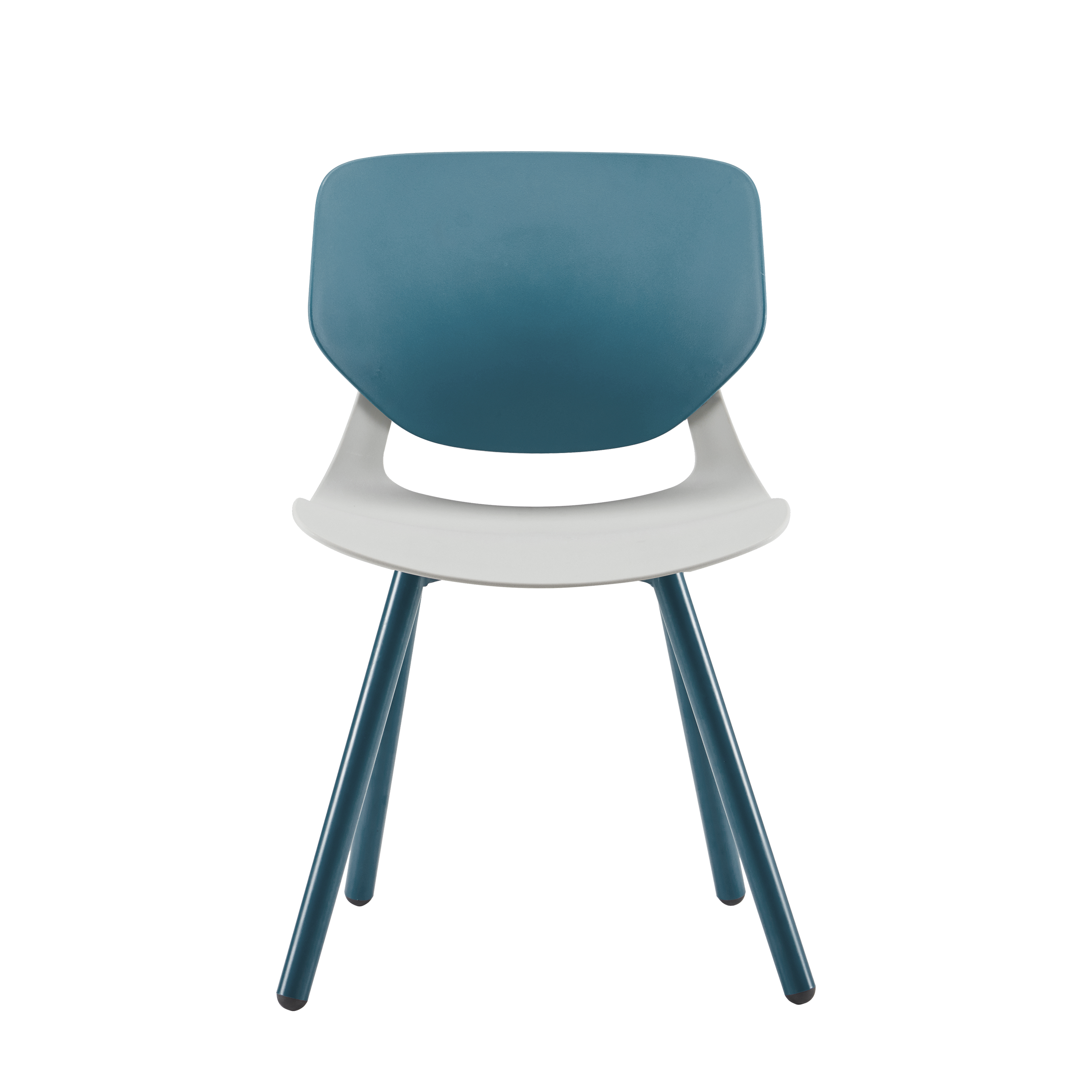
At the same time, school furniture must withstand frequent daily use. Chairs need appropriate structural support, durable components, and designs suited to their intended users and surroundings.
For administrative offices and staff workspaces, office chairs also contribute to the overall appearance and functionality of the environment. Their materials, forms, and finishes can influence how well the furniture integrates with the rest of the interior.
GREENGUARD certification can help inform product evaluation where low chemical emissions are a project priority. It should not replace consideration of furniture safety, durability, ergonomics, or the specific requirements of the educational facility.
Healthcare environments include a wide range of spaces, from administrative offices and consultation rooms to staff areas and visitor waiting rooms. Furniture requirements vary according to how each area is used.
Administrative workspaces may require office chairs that support extended periods of desk work. Waiting areas may place greater emphasis on durability, ease of maintenance, and a design that complements the surrounding interior.
Material selection is especially important when products must meet specific cleaning and maintenance requirements. Upholstery, surface finishes, and structural components need to be appropriate for the intended environment and the cleaning methods specified by the facility.
Chemical emissions may also be part of a healthcare project's indoor environmental criteria. Where low-emission furniture is required, project teams should review the relevant product documentation and confirm that the exact model meets the specified certification requirements.
GREENGUARD certification alone does not establish that furniture is suitable for every healthcare application. It does not replace requirements relating to infection prevention, disinfection compatibility, fire performance, structural safety, or other facility-specific standards.
A comprehensive evaluation considers the intended use of the furniture, the characteristics of its materials, and the requirements of the space in which it will be installed.
Modern office furniture design involves more than appearance. A finished chair combines multiple components that must work together in terms of structure, function, comfort, and visual consistency.
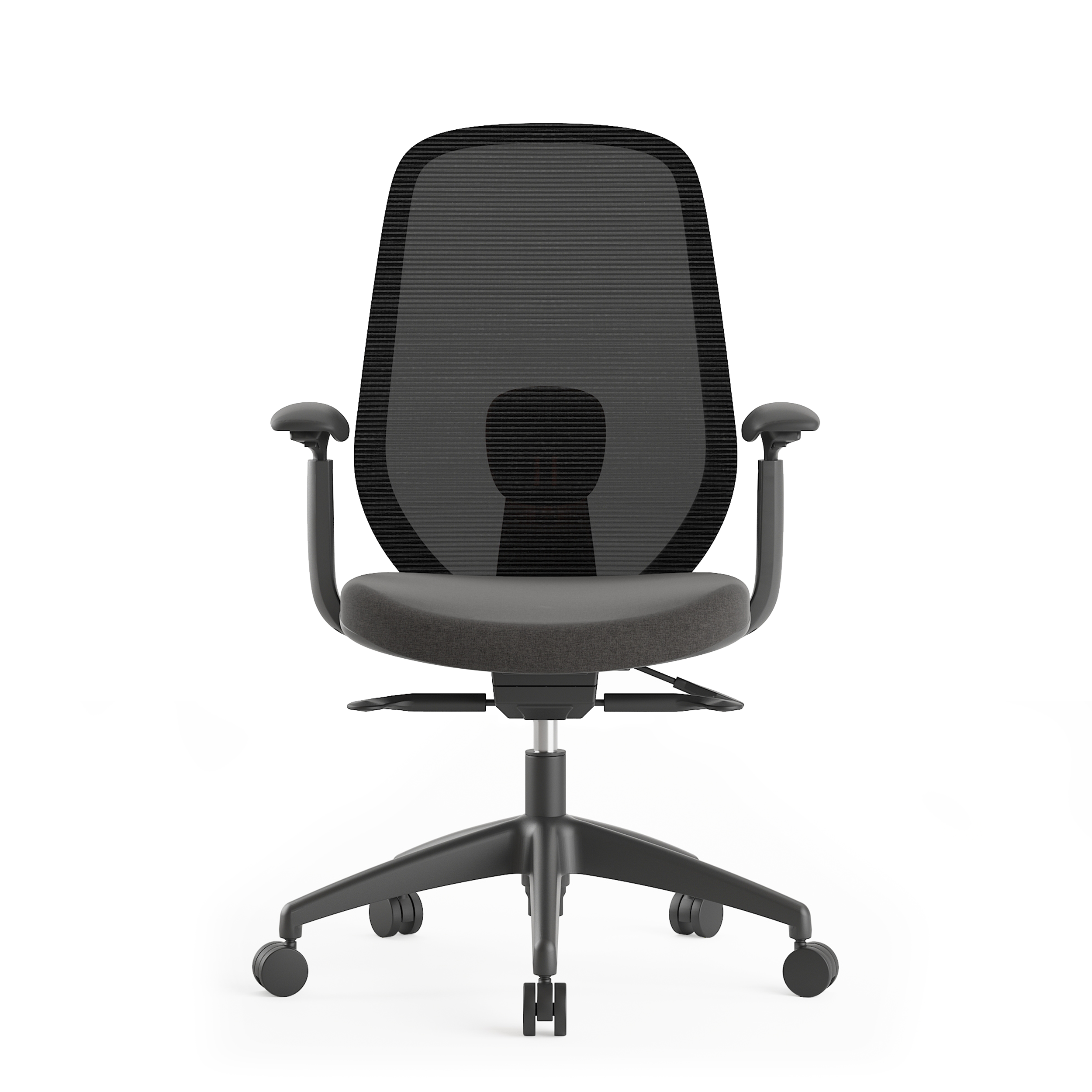
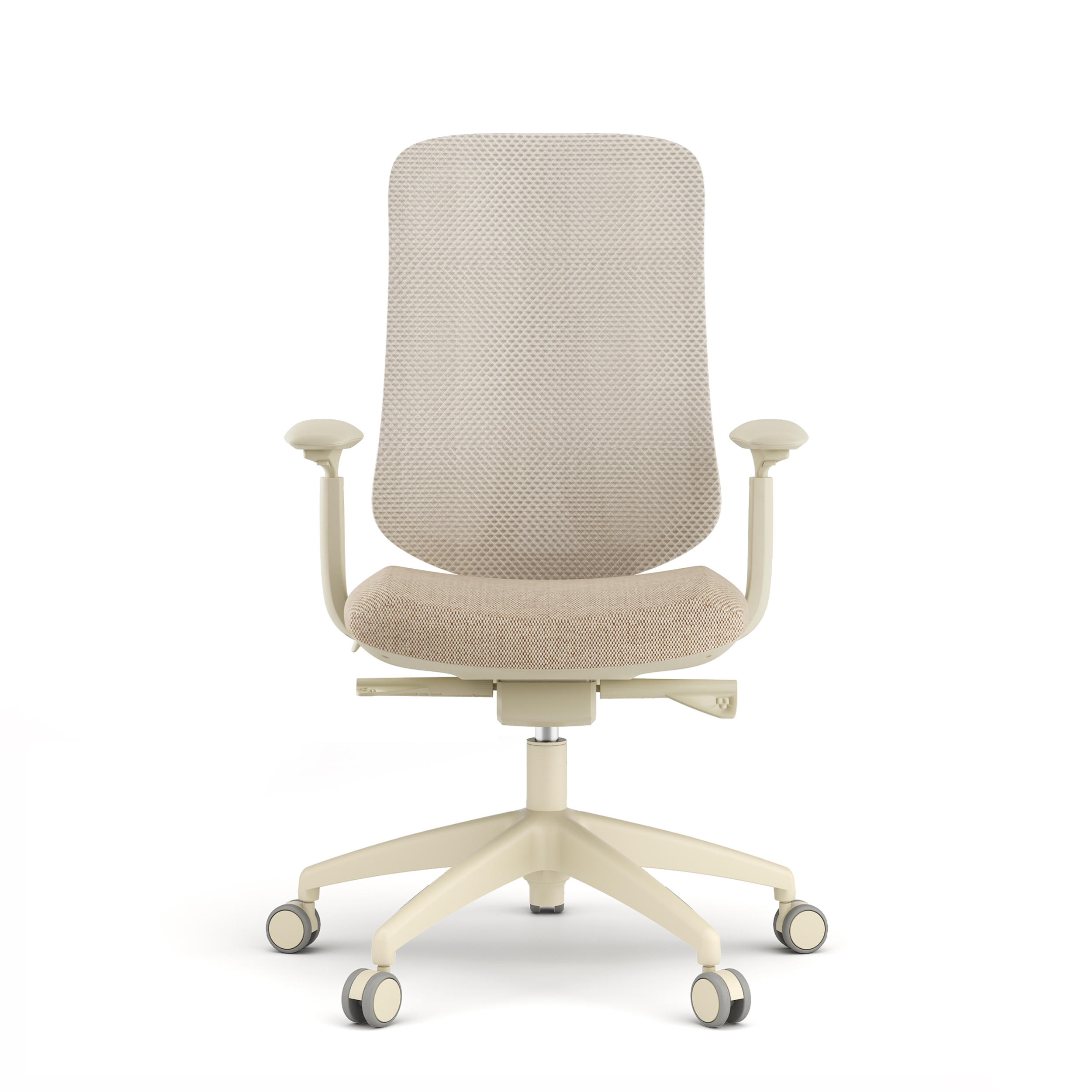
An office chair may include a frame, base, casters, armrests, adjustment mechanisms, foam, upholstery, and various connecting components. Each part serves a specific purpose, while the materials and manufacturing methods used throughout the product influence its overall characteristics.
For example, mesh seating is often associated with a lightweight, contemporary appearance, while leather seating can create a more formal visual impression. Different materials also have different processing, maintenance, and performance characteristics.
When indoor air quality is a project priority, material selection becomes another consideration within the broader product development process. Manufacturers need to understand material specifications and ensure that any emissions-related claims are supported by appropriate documentation.
The challenge is to bring together design intent, material suitability, manufacturing feasibility, and the intended use of the furniture. This balance is particularly relevant for projects that require consistent furniture throughout multiple rooms or facilities.
Office chair manufacturing involves a coordinated sequence of activities, including material preparation, component production, upholstery work, assembly, inspection, packaging, and delivery.
Each stage contributes to the finished product. Material handling and processing affect component quality, while assembly and inspection help ensure that products correspond to their intended specifications.
When a project includes environmental or emissions requirements, manufacturers also need to understand how the materials and components used in production relate to those requirements. Product documentation and traceability can be important when a project requires evidence of compliance.
A well-organized manufacturing process supports more consistent production, but manufacturing experience alone does not establish that a particular product meets a specific emissions certification.
For this reason, project teams should distinguish between a manufacturer's general production capabilities and the verified qualifications of an individual furniture model.
This distinction supports clearer communication among manufacturers, designers, contractors, and facility managers throughout the project.
Sitstar specializes in the design and manufacturing of office chairs and stylish leisure seating. Its product range includes office chairs, mesh chairs, leather seating, leisure chairs, and training tables and chairs.
The brand's development reflects a combination of original design, product development, and manufacturing experience. Based in Anji, China, an established center for chair manufacturing, Sitstar has developed its identity around the relationship between modern aesthetics and practical seating design.
According to the company's published information, Sitstar has more than 14 years of industry experience, approximately 60,000 square meters of manufacturing space, and a workforce of around 300 employees. Its research and development team includes more than 50 members, supporting continued product development and design exploration.
The company also draws on ideas from international designers, reflecting the variety of visual styles and workplace environments found across global markets.
These capabilities form part of Sitstar's approach to office seating. From product concepts and material choices to manufacturing and quality management, the company focuses on developing seating products that combine design and practical functionality.
For educational and healthcare projects, the suitability of any individual Sitstar product should be evaluated against the project's requirements. If GREENGUARD certification is mandatory, the relevant product's certification status must be confirmed through valid documentation before it is specified or promoted as certified.
Furniture for schools and healthcare facilities needs to serve practical purposes while fitting the visual character of the space. A product may need to coordinate with an architectural concept, withstand frequent use, and meet defined material or environmental requirements.
These considerations are interconnected but not interchangeable.
A visually appealing chair is not automatically durable. A durable product is not necessarily low-emission certified. Similarly, a product with a verified emissions certification may still need to meet additional specifications for comfort, structural performance, cleaning, or accessibility.
The most appropriate evaluation process therefore begins with the intended application. Project teams can identify the relevant performance criteria, review the available product documentation, and determine whether the proposed furniture satisfies the requirements.
For manufacturers, this creates an opportunity to communicate product characteristics accurately and provide clear information about materials, testing, certifications, and intended use.
Transparent product information helps architects, designers, contractors, and facility managers make decisions based on evidence rather than assumptions.
Indoor environmental quality is influenced by many factors, including ventilation, building materials, cleaning practices, furnishings, and how indoor spaces are used.
GREENGUARD certification addresses a specific aspect of this broader picture: chemical emissions from products. It can be a valuable reference when evaluating furniture for environments where indoor air quality is a priority.
However, a comprehensive approach to responsible furniture selection may also consider product lifespan, repairability, material efficiency, packaging, and end-of-life management.
Durable furniture can remain in service for longer when it is properly designed, maintained, and used as intended. Material and design choices can also affect how products are maintained and whether components can be repaired or replaced.
For schools and healthcare facilities, the objective is not simply to select furniture with a particular label. It is to develop an interior environment in which the products are appropriate for the people who use the space and the operational demands of the facility.
As expectations for commercial interiors continue to evolve, schools and healthcare facilities are likely to maintain their focus on functionality, durability, indoor environmental quality, and transparent product information.
These priorities create an ongoing role for furniture manufacturers in product development. Designers and manufacturers need to consider how materials, construction methods, visual design, and performance requirements work together in finished products.
For projects with emissions-related specifications, clear certification records and model-specific documentation will remain important. At the same time, furniture must continue to address the everyday needs of the environment, from regular use and maintenance to spatial coordination and comfort.
Sitstar's focus on office chair design and manufacturing reflects the wider development of the seating industry, where design ideas and production expertise come together to shape modern workplaces.
As educational and healthcare spaces continue to develop, careful product evaluation and accurate communication will help ensure that furniture choices align with the needs and specifications of each project.
GREENGUARD certification evaluates product chemical emissions against the applicable criteria of its certification program. It can help project teams assess whether a product meets specified indoor air quality requirements.
It may be suitable when the specific product meets the school's requirements. The project team should also evaluate durability, safety, intended users, maintenance, and other applicable standards.
Low-emission furniture may support a project's indoor air quality objectives. However, healthcare facilities can have additional requirements for cleaning compatibility, fire performance, durability, and specialized use.
No. The certification relates to chemical emissions under defined testing criteria. It does not mean that a product contains no chemicals or guarantee that every aspect of indoor air quality is addressed.
The team should check the certification records for the exact product model and confirm that the documentation is valid and applicable to the proposed product. A general manufacturer statement or the certification of a component is not sufficient on its own.
No. Certification status varies by manufacturer and product. Project teams should confirm the actual certification of the model being considered rather than assuming that all products from a manufacturer qualify.
Office furniture for schools and healthcare projects must respond to a combination of environmental, functional, and design requirements. GREENGUARD certification provides a useful reference for evaluating chemical emissions, but it is only one part of a complete product assessment.
Understanding the relationship between materials, manufacturing processes, product performance, and certification helps project teams make more informed decisions.
For office furniture manufacturers such as Sitstar, continued attention to design, product development, manufacturing quality, and accurate product information is central to serving changing workplace needs. When a project requires GREENGUARD certification, verifying the exact product's certification status remains essential to ensuring that the final specification reflects the project's requirements.
 Hot News
2026-10-20
2026-10-17
2026-10-15
2026-08-24
2026-08-20
2026-08-17

 EN