Hot and humid climates create unique challenges for office seating. When employees spend several hours at their desks, heat buildup, moisture, and insufficient airflow can affect their sitting experience. In tropical regions, coastal cities, and offices with limited air conditioning, choosing the right chair becomes an important part of workplace planning.
A well-designed mesh office chair offers a practical solution through its breathable backrest, supportive structure, and contemporary design. However, not all mesh chairs provide the same level of comfort or durability. Mesh construction, seat cushioning, ergonomic adjustments, frame materials, and maintenance requirements all influence how a chair performs in a warm environment.
For businesses furnishing offices in humid regions, the goal is to find seating that balances airflow, ergonomic support, long-term performance, and visual consistency. Understanding these factors helps organizations select office chairs that suit both their working conditions and interior design requirements.
One of the main advantages of a mesh office chair is its breathable backrest. Unlike some solid upholstery materials, woven mesh allows air to move through its structure, helping reduce the sensation of heat accumulating between the user's back and the chair.
This characteristic can be especially valuable in shared offices, computer workstations, and other environments where people remain seated for extended periods.
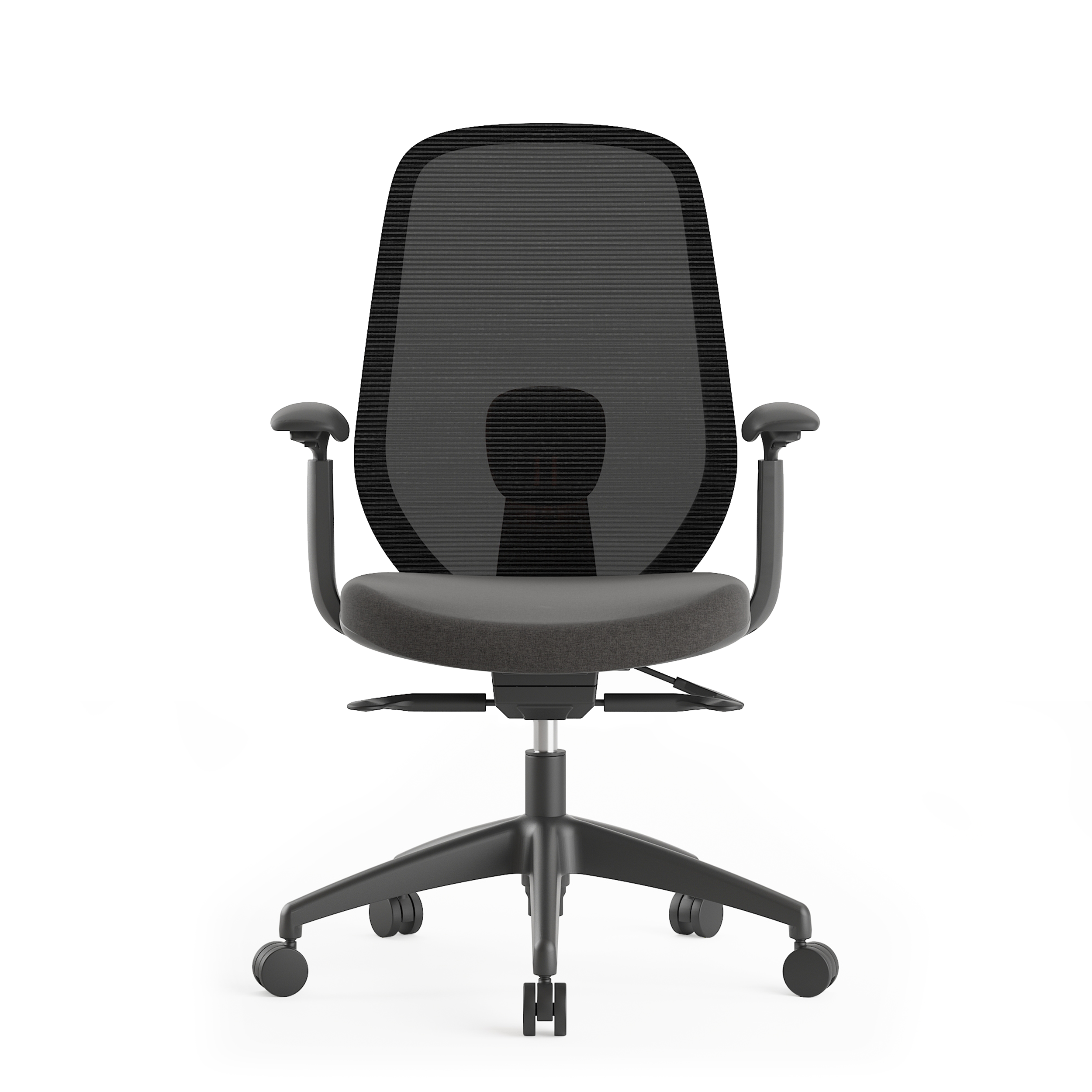
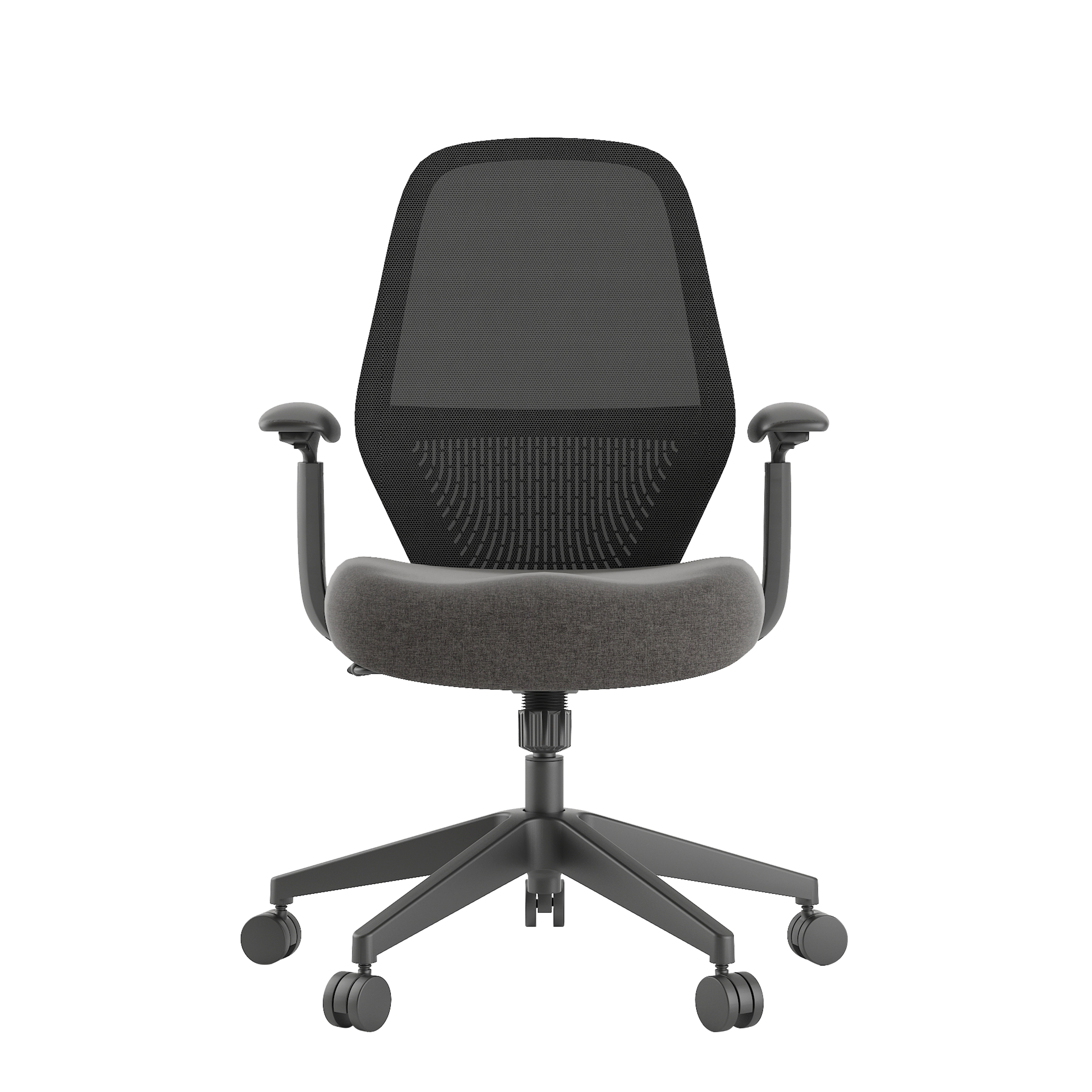
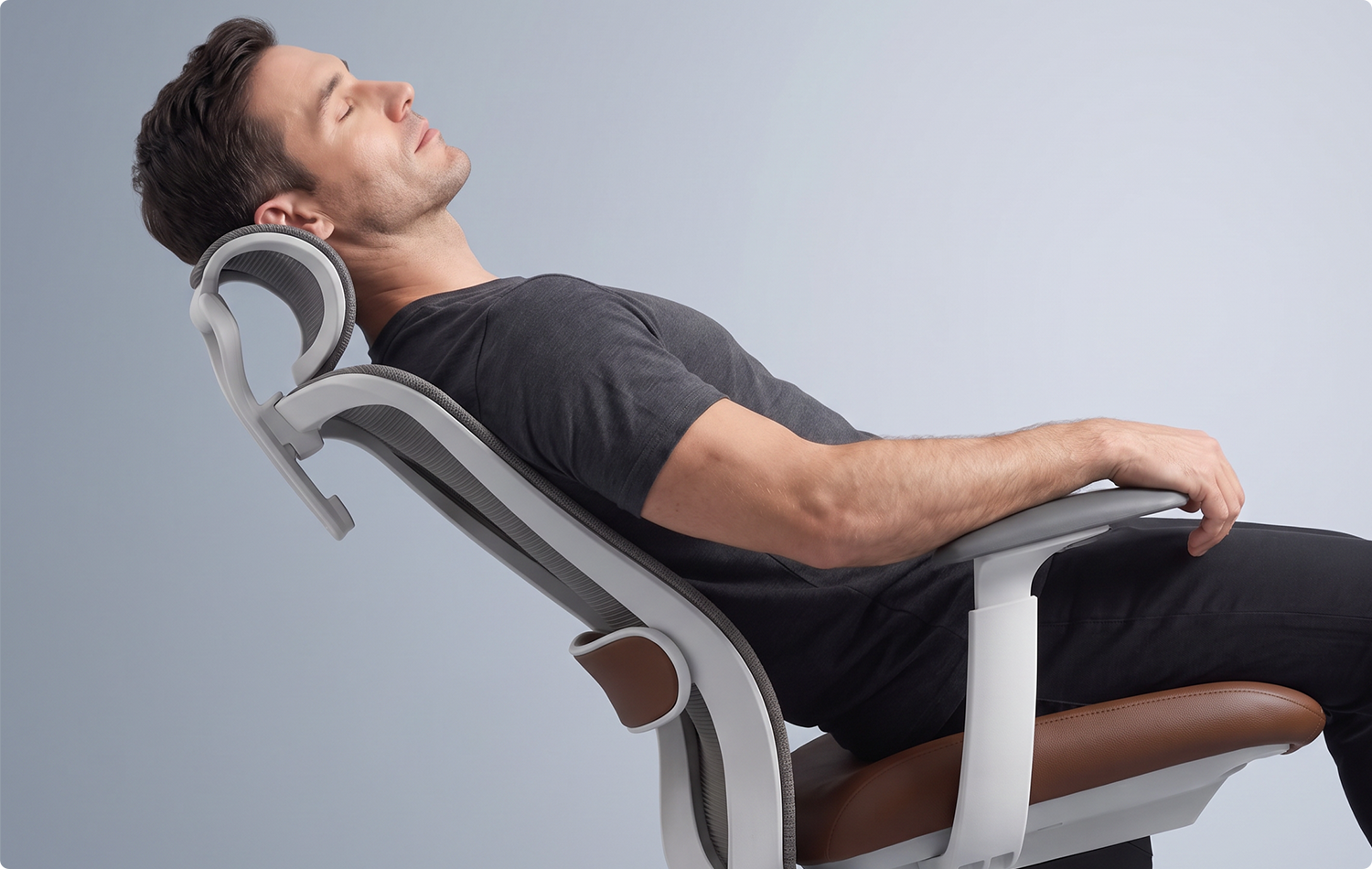
Sitstar's Modern Mesh Office Chair features a breathable mesh back designed to promote airflow. Its contemporary construction combines ventilation with ergonomic support, making it a relevant option for offices seeking a balance between comfort and modern aesthetics.
Nevertheless, airflow depends on more than the backrest alone. Room ventilation, ambient temperature, humidity, clothing, and the design of the seat also affect the overall sitting experience.
A breathable mesh back does not automatically mean that the entire chair offers the same level of ventilation. Many office chairs combine a mesh backrest with a cushioned seat to provide a balance between airflow and softness.
This combination can be practical for users who prefer a more supportive seat while still benefiting from a breathable back.
When evaluating a mesh office chair for a humid climate, consider the following characteristics:
Mesh backrest: Look for a well-constructed mesh surface that provides airflow while maintaining appropriate support.
Seat cushioning: Evaluate the cushioning density, shape, and upholstery rather than assuming that a thicker cushion is always more comfortable.
Surface maintenance: Consider how easily the seat and backrest can be cleaned and maintained under frequent daily use.
Material consistency: Check whether the materials used across the chair are appropriate for the intended environment.
Sitstar's Modern Mesh Office Chair combines a breathable mesh back with high-density foam cushioning. This design illustrates how ventilation and seat comfort can be addressed through different materials within the same product.
For particularly humid environments, the complete seating design should be evaluated rather than selecting a chair based on the mesh specification alone.
The best mesh office chair configuration depends on the working environment, the number of users, and the expected frequency of use. Rather than applying the same selection criteria to every project, buyers should prioritize the features that address the specific challenges of each space.
Offices with Limited Air Conditioning
In offices where air conditioning is limited or temperatures remain high throughout the day, prioritize a breathable mesh backrest, suitable seat upholstery, and surfaces that are easy to clean. Consider the seat's cushioning and shape carefully, as a mesh back alone cannot eliminate heat and moisture buildup across the entire seating surface. Adequate room ventilation remains important for overall comfort.
Coastal Offices and Persistently Humid Environments
For offices near the coast or in buildings with consistently high humidity, evaluate both comfort and material durability. In addition to checking the mesh and upholstery, ask about the corrosion resistance of metal frames, bases, fasteners, and other connecting components. Confirm whether protective coatings or corrosion-resistant materials are specified for the actual model, and follow the manufacturer's guidance on cleaning, drying, and maintenance. Do not assume that a chair is suitable for coastal conditions simply because it has a breathable mesh back.
Shared Workstations and Multi-User Offices
For workstations used by multiple employees, prioritize practical adjustability, durable construction, and easy maintenance. Seat-height adjustment, an appropriate tilt mechanism, and suitable armrest configurations can help accommodate different users. If chairs will be used frequently throughout the day, also assess the expected workload and the manufacturer's available product specifications or durability test documentation.
Meeting Rooms and Training Spaces
For meeting rooms and training areas, consider the duration of each session, how frequently the chairs are occupied, and whether users need to adjust the seating themselves. Breathability remains relevant in warm rooms, while a consistent appearance, easy cleaning, and suitable dimensions may also be important. For longer sessions, evaluate seat cushioning and ergonomic support rather than choosing a model based on appearance alone.
These scenario-based considerations help buyers narrow down suitable models before comparing detailed specifications. The goal is to match the complete chair to the actual working environment instead of relying on a single feature to determine suitability.
Temperature is only one part of the sitting experience. A chair used throughout the working day should also accommodate different body sizes, desk heights, and sitting preferences.
Adjustability is especially useful in offices where multiple employees use similar workstations or where furniture needs to serve different departments.
Important features include:
Adjustable seat height
Seat height adjustment helps users position themselves in relation to the desk and floor. Ideally, the adjustment range should allow users to sit with stable foot support and a comfortable working posture.
Lumbar support
Appropriate lumbar support helps the chair accommodate the natural curve of the lower back. Depending on the model, this support may be fixed or adjustable. Buyers should confirm the specific configuration rather than assuming that every mesh chair includes adjustable lumbar support.
Tilt mechanism
A tilt mechanism allows users to change their sitting position during the day. Lockable positions or adjustable tilt tension can provide additional flexibility, depending on the chair's design.
Armrest adjustment
Armrests can help users position their arms more comfortably while working. For shared workstations, adjustable armrests may offer greater flexibility than fixed designs, provided the selected model includes the required adjustment options.
Sitstar offers mesh office chair models with different combinations of seat-height adjustment, tilt functionality, lumbar support, and armrest configurations. Comparing these features against the intended application is more useful than relying on the product category name alone.
Humidity can make material selection particularly important, but a humid climate does not automatically mean that every mesh chair will deteriorate quickly. Performance depends on the material composition, construction quality, frequency of use, cleaning practices, and surrounding environmental conditions.
When reviewing a mesh office chair, consider:
Whether the mesh maintains its tension and shape under regular use.
Whether the frame and connecting components feel stable and appropriately constructed.
Whether the chair's base, casters, and adjustment mechanisms are suitable for the expected workload.
Whether the manufacturer can provide relevant product specifications and test documentation.
Sitstar's published Modern Mesh Office Chair specifications describe a construction that combines breathable mesh fabric, high-density foam cushioning, a metal-alloy frame, and reinforced plastic components. These details provide a useful starting point for understanding the product's construction.
For offices near the coast or in buildings with persistent moisture problems, buyers should evaluate corrosion resistance across the chair's complete structure, not just its visible surfaces. Ask the manufacturer about the material and protective treatment used for metal components, including the frame, base, fasteners, and connecting parts. Confirm whether corrosion-resistance information or relevant test documentation is available for the specific model and configuration. Also consider how easily these areas can be inspected and maintained after installation.
Routine care is particularly important in coastal and high-humidity environments. Follow the manufacturer's cleaning instructions, remove moisture from accessible surfaces when necessary, and avoid leaving damp residue around metal joints or connection points. Inspect the base, fasteners, and other exposed components periodically for signs of coating damage, discoloration, or corrosion. Any cleaning agents used should be compatible with the chair's materials and protective finishes. The appropriate maintenance frequency depends on the actual environment and the manufacturer's recommendations.
A breathable mesh backrest does not itself indicate that a chair has corrosion-resistant components. Buyers should verify material specifications, protective treatments, and maintenance requirements separately when selecting seating for coastal or persistently humid locations.
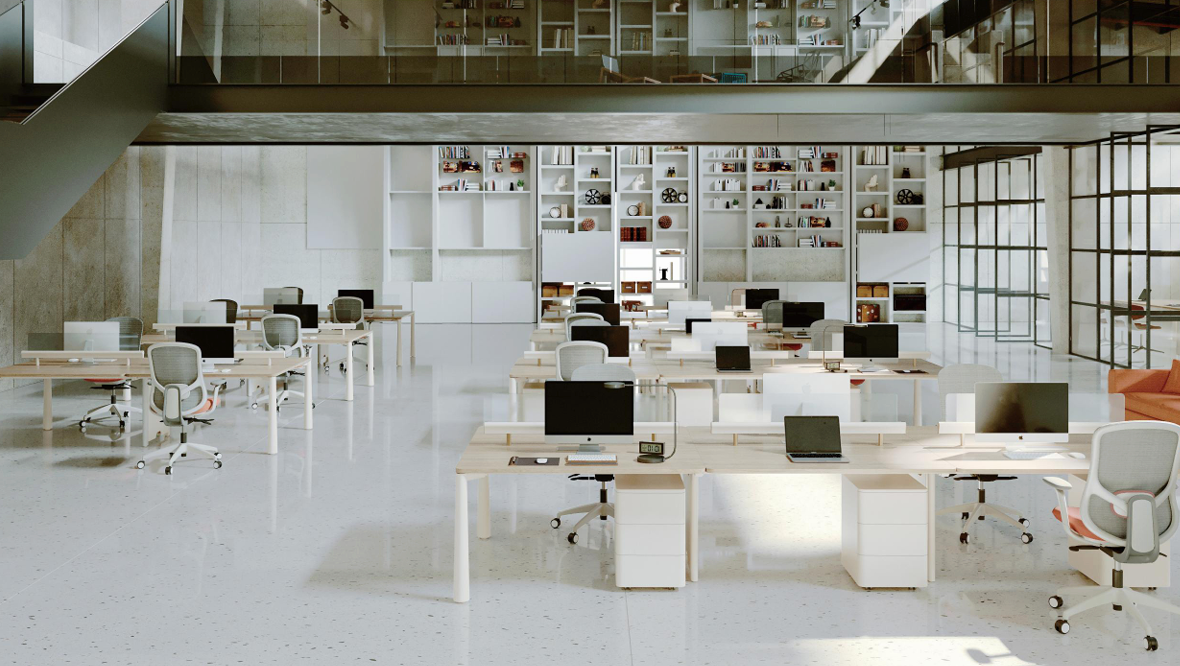
In corporate offices, chairs must fit into a consistent furniture layout while accommodating employees with different working habits. Mesh office chairs can support a clean, lightweight visual style, particularly in open-plan offices and computer-based work areas.
For these environments, organizations may prioritize:
Breathable backrests for everyday desk work.
Suitable seat-height and tilt adjustments.
Consistent colors and finishes across multiple workstations.
Durable construction for regular use.
Straightforward cleaning and routine maintenance.
The most appropriate configuration depends on the expected duration of use, the workstation layout, and the requirements of the employees using the chairs.
In tropical climates, high humidity and warm temperatures may persist throughout much of the year. Offices with limited air conditioning can place greater emphasis on breathable seating surfaces and practical maintenance.
A mesh office chair may help improve airflow around the backrest, but it cannot replace effective ventilation or climate control. The surrounding environment remains an important part of workplace comfort.
For these projects, it is worth evaluating the chair in the actual or a representative working environment whenever possible. Sample testing can help users assess the mesh texture, seat cushioning, adjustment range, and ease of cleaning before committing to a larger furniture installation.
Meeting rooms, training areas, and shared offices often accommodate users with different body sizes and seating preferences. In these spaces, practical features and a consistent appearance may be just as important as breathability.
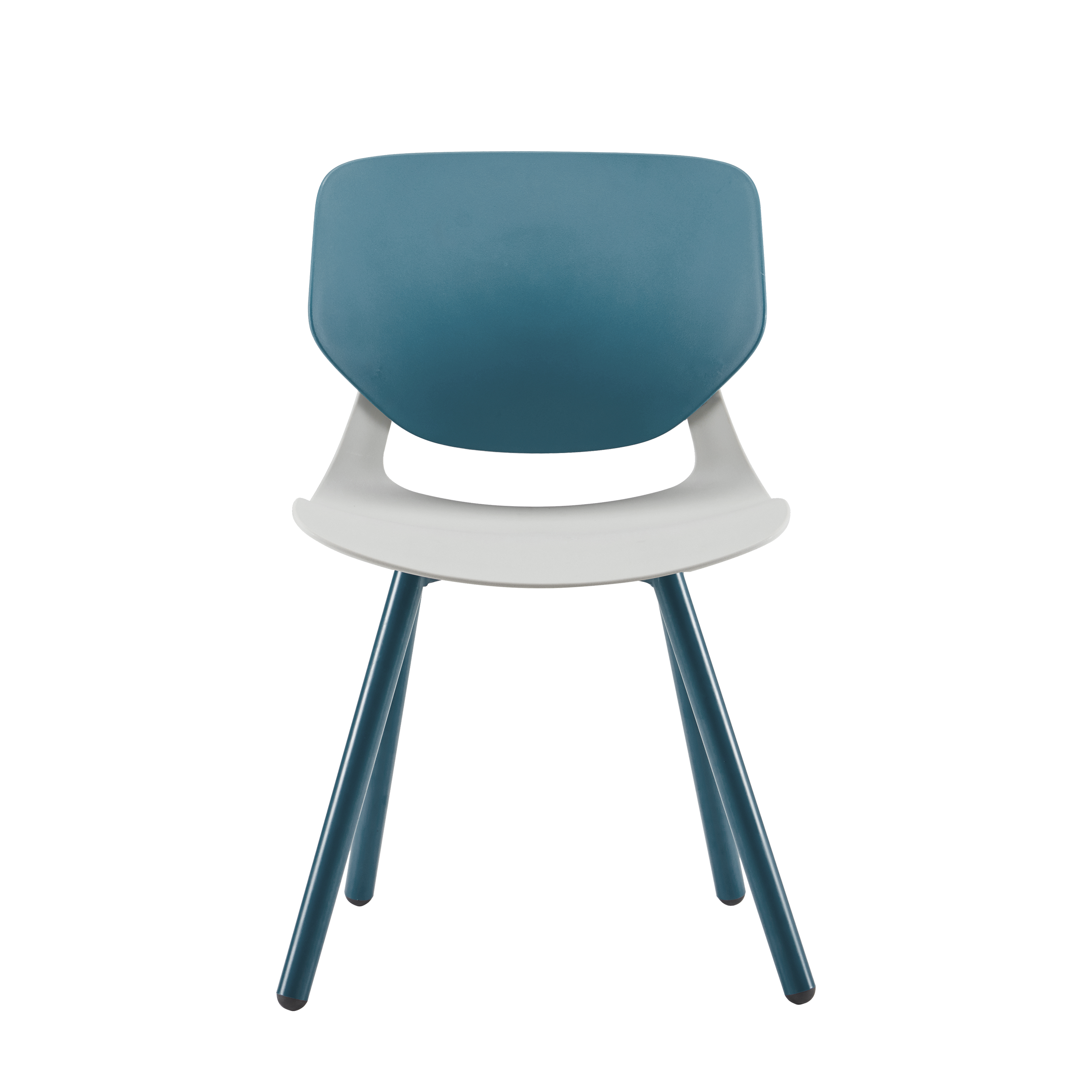
Depending on the intended use, a project may require adjustable task chairs, more compact mesh chairs, or alternative seating configurations.
Before choosing a model, consider the room's layout, how frequently the chairs will be used, available storage space, and whether users need to adjust the seating themselves. These factors help determine whether a full-featured ergonomic chair or a simpler seating solution is more appropriate.
Even breathable materials require routine care. Dust, perspiration, and everyday dirt can accumulate on chair surfaces, especially in busy workplaces.
A practical maintenance routine should follow the manufacturer's care instructions and may include:
Removing dust from the mesh and seat surfaces regularly.
Cleaning stains promptly with products suitable for the specific materials.
Allowing cleaned surfaces to dry properly before extended use.
Checking adjustment mechanisms, casters, and connecting components periodically.
Maintaining adequate room ventilation and avoiding prolonged exposure to excessive moisture.
In coastal or persistently humid environments, maintenance should also include the accessible metal parts and structural connection points. Check the base, fasteners, frame joints, and exposed metal surfaces for signs of corrosion or damaged protective coatings. Remove moisture using a method approved by the manufacturer, and avoid harsh cleaners that may damage coatings or other materials. If corrosion or structural damage is found, arrange an appropriate inspection rather than assuming that routine surface cleaning will resolve the issue.
Avoid harsh cleaning chemicals unless they are explicitly approved for the chair's materials. Some cleaning agents can affect upholstery, coatings, or plastic components.
Where chairs are used intensively, a documented inspection and maintenance schedule can help facility teams identify wear before it affects everyday usability.
Sitstar's office seating range includes mesh office chairs, ergonomic seating, executive chairs, and other furniture designed for contemporary workspaces. Its product offering reflects the need to balance visual design, practical functionality, and different seating configurations.
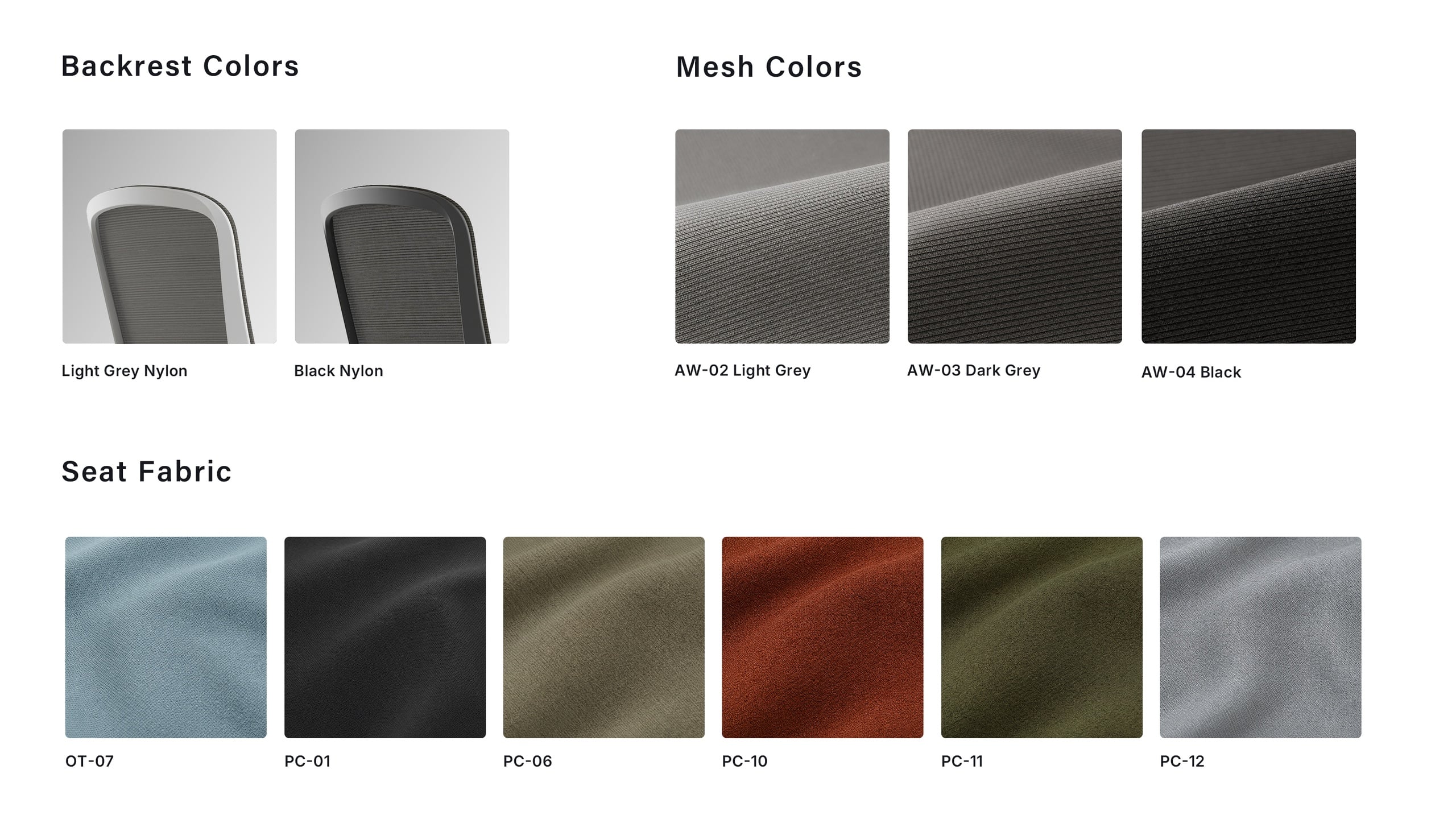
The company's Modern Mesh Office Chair is described with a breathable mesh back, high-density foam cushioning, seat-height adjustment, and a tilt mechanism with lockable positions. Its product information also identifies color customization and different workplace applications, including corporate offices, coworking spaces, educational facilities, and reception areas.
For buyers furnishing offices in hot and humid climates, these specifications provide a useful basis for assessing whether a particular chair fits the intended environment. However, climate suitability should be evaluated through the exact materials, product construction, maintenance requirements, and expected conditions of use.
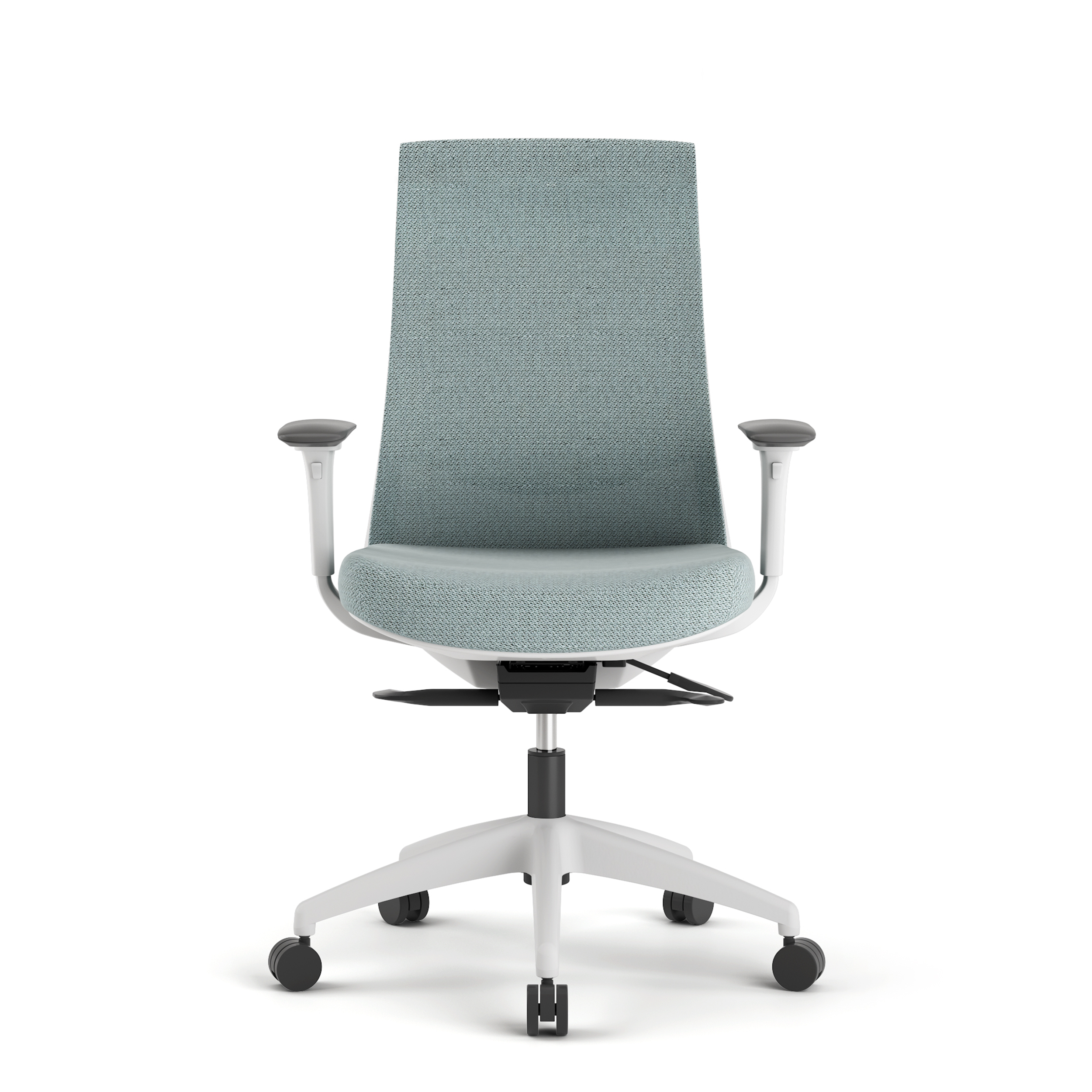
Sitstar also presents different office chair configurations across its product range. This makes model-by-model comparison important: features such as adjustable lumbar support, armrest movement, and tilt functionality can vary from one chair to another.
Rather than assuming that every mesh chair offers identical performance, businesses can compare the available specifications against their priorities for airflow, ergonomic flexibility, durability, and interior design.
Choosing a mesh office chair for a hot and humid climate involves more than selecting a breathable backrest. Mesh construction, seat cushioning, ergonomic adjustability, structural durability, and routine maintenance all contribute to the overall seating experience.
For offices in tropical regions and other warm environments, a well-designed mesh back can help improve airflow, while suitable seat cushioning and adjustment features support everyday usability. For coastal and persistently humid environments, buyers should also assess the corrosion resistance of metal components, bases, fasteners, and connecting parts, along with the maintenance needed to preserve them.
Sitstar's mesh office chair range offers different design and functional configurations for modern workplaces. By reviewing the specifications of each model and matching them to actual working conditions, organizations can make more informed decisions about office seating that balances comfort, functionality, and design.
Mesh office chairs can be a suitable option because their breathable backrests allow more airflow than many solid upholstery surfaces. Overall comfort still depends on the seat material, room conditions, chair design, and individual preferences.
Not necessarily. A full-mesh design may provide airflow across more of the seating surface, while a mesh-back chair with a cushioned seat may offer a different balance of ventilation and softness. The best option depends on how the chair will be used and the user's comfort preferences.
Common features to evaluate include seat-height adjustment, appropriate lumbar support, a suitable tilt mechanism, and armrests that fit the intended workstation. The exact requirements depend on the user, desk height, and duration of use.
Follow the manufacturer's cleaning instructions, remove dust regularly, clean spills promptly, allow surfaces to dry, and inspect moving parts periodically. In coastal or persistently humid environments, also inspect accessible metal components, bases, fasteners, and connection points for corrosion or coating damage. Avoid prolonged moisture exposure and cleaning products that are unsuitable for the chair's materials.
Yes. Sitstar's published office chair range includes different mesh chair designs and feature combinations. Buyers should review the specifications of each model to confirm its adjustment features, materials, and suitability for the intended application.
 Hot News
2026-10-27
2026-10-25
2026-10-20
2026-10-14
2026-10-17
2026-05-13

 EN