Behind every office chair is a manufacturing process that brings together design, materials, engineering, assembly, and quality management. While the finished product is what people see and use, the factory behind it plays an equally important role in shaping its quality, consistency, and overall design.
As workplace environments continue to evolve, office furniture manufacturing is becoming increasingly connected to intelligent production, product innovation, and efficient manufacturing processes. A modern office chair factory needs more than production space. It needs the ability to turn design concepts into practical products while maintaining coordination across different stages of manufacturing.
At Sitstar, manufacturing is closely connected with the brand's approach to office seating design. With a 60,000-square-meter smart factory, a workforce of approximately 300 employees, and a reported production capacity of one million office chairs per month, the company represents the combination of manufacturing scale and design-led product development.
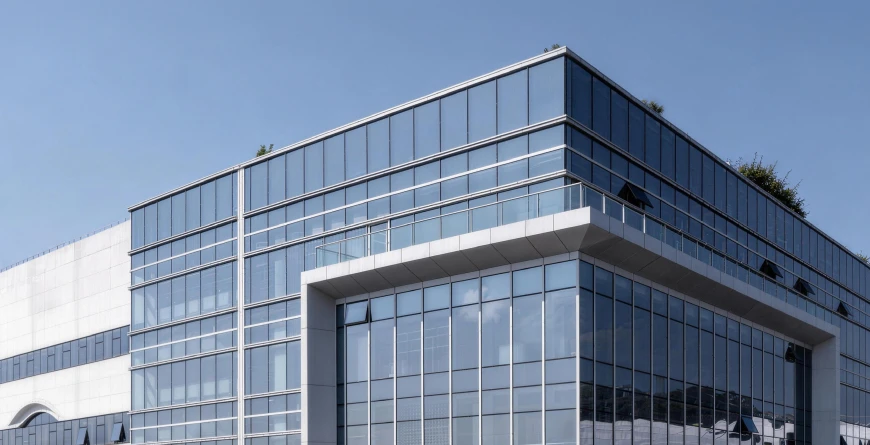
Manufacturing space provides the physical foundation for production, product development, and daily factory operations. For an office chair manufacturer, an organized production environment helps coordinate materials, components, assembly processes, and finished products.
Sitstar's manufacturing facility covers approximately 60,000 square meters. This space supports the company's office seating operations and reflects its investment in a more developed manufacturing environment.
A large factory is not defined by its size alone. The way production areas are organized, how materials move between processes, and how different teams coordinate their work all influence the manufacturing experience.
Office chairs contain multiple components, including frames, bases, casters, armrests, adjustment mechanisms, foam, and upholstery. Each component must be processed and assembled according to the requirements of the finished design.
Coordinating these elements requires a manufacturing system that connects different production stages. The factory environment therefore serves as more than a place where chairs are assembled. It is where design concepts, material choices, engineering decisions, and production processes come together.
Furniture manufacturing has traditionally relied on a combination of machinery and skilled manual work. As production technologies develop, manufacturers are increasingly introducing automation to improve process consistency and support more efficient operations.
Sitstar's manufacturing development reflects this wider industry transition. According to the company's published history, new injection molding production lines began operating in 2024, contributing to the development of a more automated factory environment.
Injection molding plays an important role in producing plastic components used in many office chair designs. Integrating this process into the manufacturing system allows the company to bring an important stage of component production into its broader factory operations.
Automation does not eliminate the need for experienced personnel. Equipment operation, process monitoring, product inspection, and production coordination remain important parts of manufacturing.
Instead, smart manufacturing combines equipment, production processes, and human expertise. The objective is to create a more coordinated system in which different manufacturing stages can work together effectively.
For office chair manufacturers, this development provides a foundation for continued improvements in production management and product development.
An office chair may appear to be a single product, but its production involves numerous interconnected processes.
Material preparation is followed by component manufacturing, upholstery work, assembly, inspection, packaging, and storage. The precise workflow varies according to the chair's design, materials, and construction.
During component manufacturing, individual parts must be produced according to their intended dimensions and specifications. Upholstery processes require attention to material handling, stitching, and finishing. Assembly brings the components together, while quality inspections help identify issues before finished chairs move to the next stage.
Each process contributes to the overall product.
A well-designed chair depends on the relationship between its components, not simply the quality of one individual part. The frame, seat, backrest, adjustment mechanisms, and supporting structure must function together as intended.
This is why manufacturing experience remains important even as production technology advances. Equipment provides the means to manufacture components, while process knowledge helps teams understand how those components contribute to the finished product.
Production capacity is an important part of understanding an office chair factory, but capacity alone does not describe the entire manufacturing system.
Sitstar's official company information reports a production capacity of approximately one million office chairs per month. This figure reflects the scale presented by the company and should be distinguished from the number of chairs actually produced or shipped during any particular month.
Manufacturing at scale requires coordination across multiple areas, including material availability, component production, assembly, quality management, storage, and delivery planning.
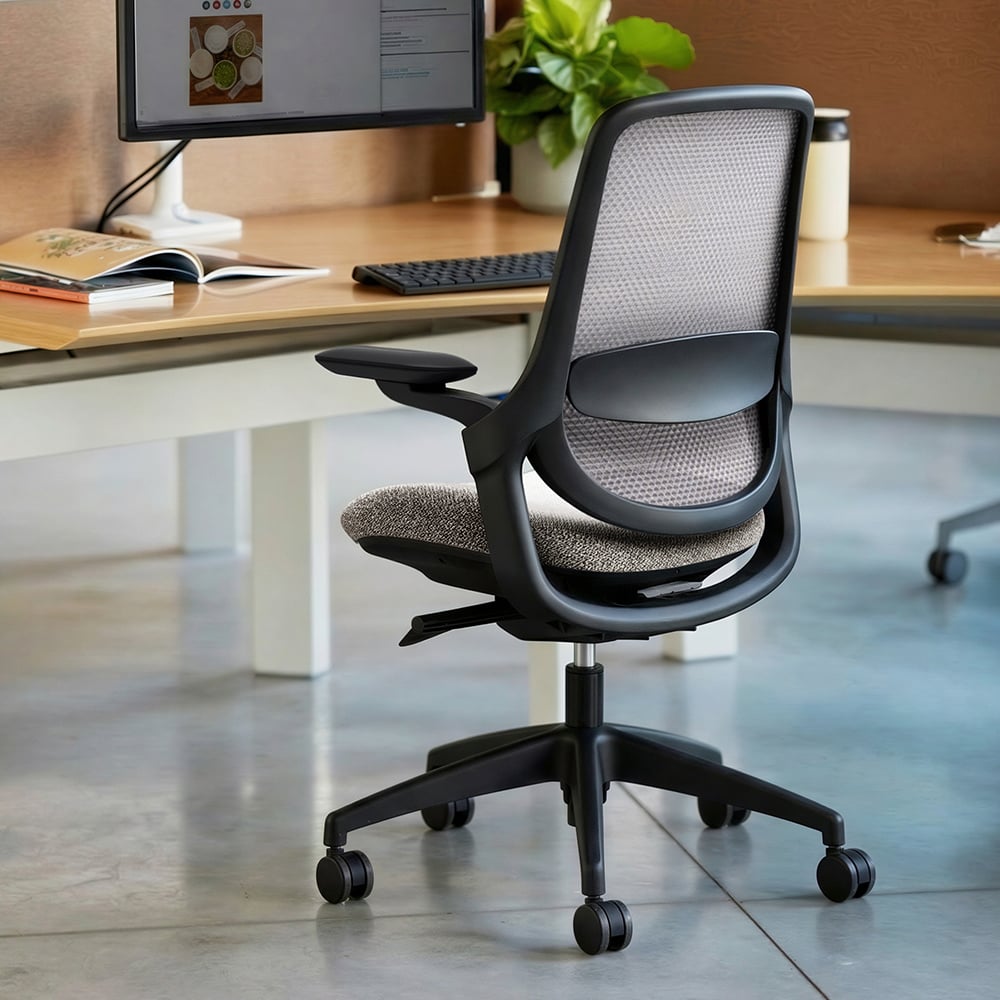
When a product range includes different chair designs, materials, and configurations, production planning becomes more complex. A mesh office chair and a leather office chair, for example, may involve different materials, upholstery methods, and assembly requirements.
A manufacturing system must account for these differences while coordinating the processes required for each product.
The relationship between production capacity and manufacturing organization is therefore important. Capacity indicates the potential scale of operations, while production planning and process management influence how the factory handles its actual manufacturing requirements.
Sitstar's approach to office seating extends beyond production. The company focuses on combining design ideas with manufacturing capabilities to develop chairs that reflect modern workplace aesthetics and practical functionality.
Office furniture design has changed significantly as workplaces have become more diverse. Traditional offices, collaborative spaces, executive environments, and informal meeting areas all create different design expectations.
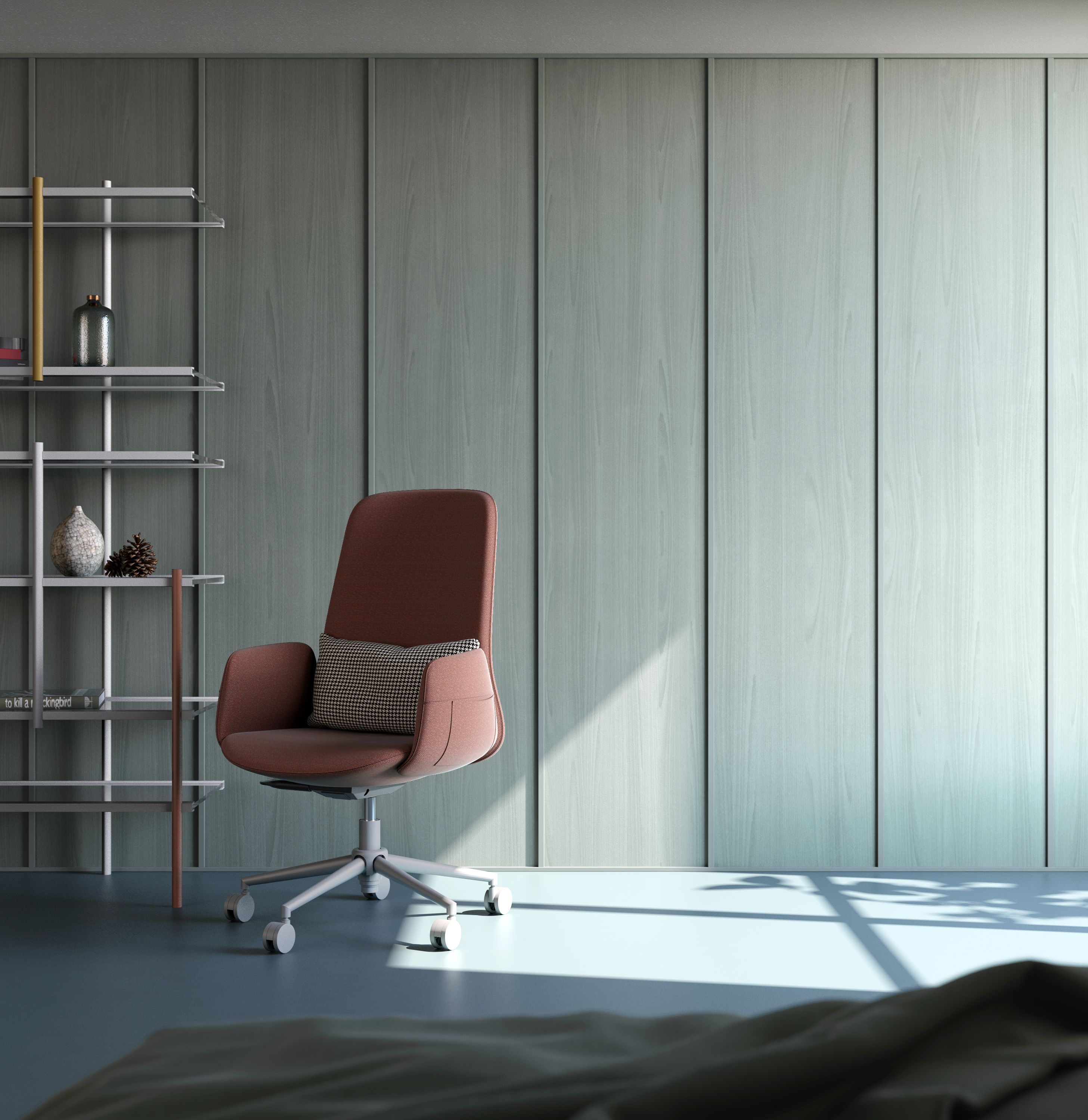
Mesh office chairs often feature a lightweight visual appearance, while leather seating can create a more formal atmosphere. Leisure seating introduces additional possibilities for reception areas and shared spaces.
Turning these design directions into finished products requires collaboration between designers, research and development teams, and manufacturing personnel.
A design concept must be translated into workable structures, suitable materials, and production processes. Details that appear simple in a drawing may require careful consideration during engineering and manufacturing.
By connecting design and production, an office chair factory can develop products that reflect a clear visual direction while remaining suitable for practical manufacturing.
Research and development is an important part of the relationship between product innovation and manufacturing.
Sitstar reports a research and development team of more than 50 people and over 90 patents on its company profile. These resources support the company's continued work in office chair design and product development.
R&D activities can involve structural development, component design, material applications, and improvements to existing products. They also help manufacturers explore different approaches to appearance, functionality, and product construction.
The value of R&D becomes particularly clear when a new design moves from concept to production. Designers may begin with an idea for a chair's silhouette, adjustment functions, or material combination. Engineering and manufacturing teams then need to determine how that concept can be developed into a workable product.
This process requires communication between creative and technical disciplines.
Research and development therefore does more than generate new designs. It helps establish the connection between product ideas and the manufacturing systems needed to bring them to life.
Manufacturing quality is influenced by every stage of production. Material selection, component processing, assembly, and final inspection all contribute to the finished chair.
Quality management begins before a product reaches the assembly stage. Components need to meet their intended specifications, and production processes must be coordinated to reduce inconsistencies.
During assembly, attention to connections, adjustment mechanisms, and structural components helps ensure that the finished chair corresponds to its design requirements. Final inspection provides another opportunity to identify visible defects or other issues before packaging.
For office chairs intended for commercial environments, consistent quality is particularly important because products may be used regularly over extended periods.
Sitstar presents quality management as an important part of its manufacturing approach and provides a five-year quality warranty for its chairs, according to its published company information.
A warranty is one part of a broader quality commitment. Manufacturing processes, product specifications, inspections, and appropriate after-sales support also contribute to the overall product experience.
Automation and manufacturing equipment are important, but people remain central to factory operations.
Sitstar reports approximately 300 employees across its manufacturing organization. Different roles contribute to product development, production operations, quality management, and other aspects of the business.
Manufacturing personnel bring practical experience to daily production. Their understanding of materials, equipment, assembly processes, and product details helps connect production plans with actual factory operations.
At the same time, designers and R&D specialists contribute to the development of new products, while quality personnel focus on checking whether products meet established requirements.
The coordination between these teams supports the relationship between design, production, and product quality.
As manufacturing systems become more automated, this combination of technical capabilities and human experience continues to matter. Equipment can support repeatable processes, while experienced teams help manage the details and decisions involved in producing different types of office chairs.
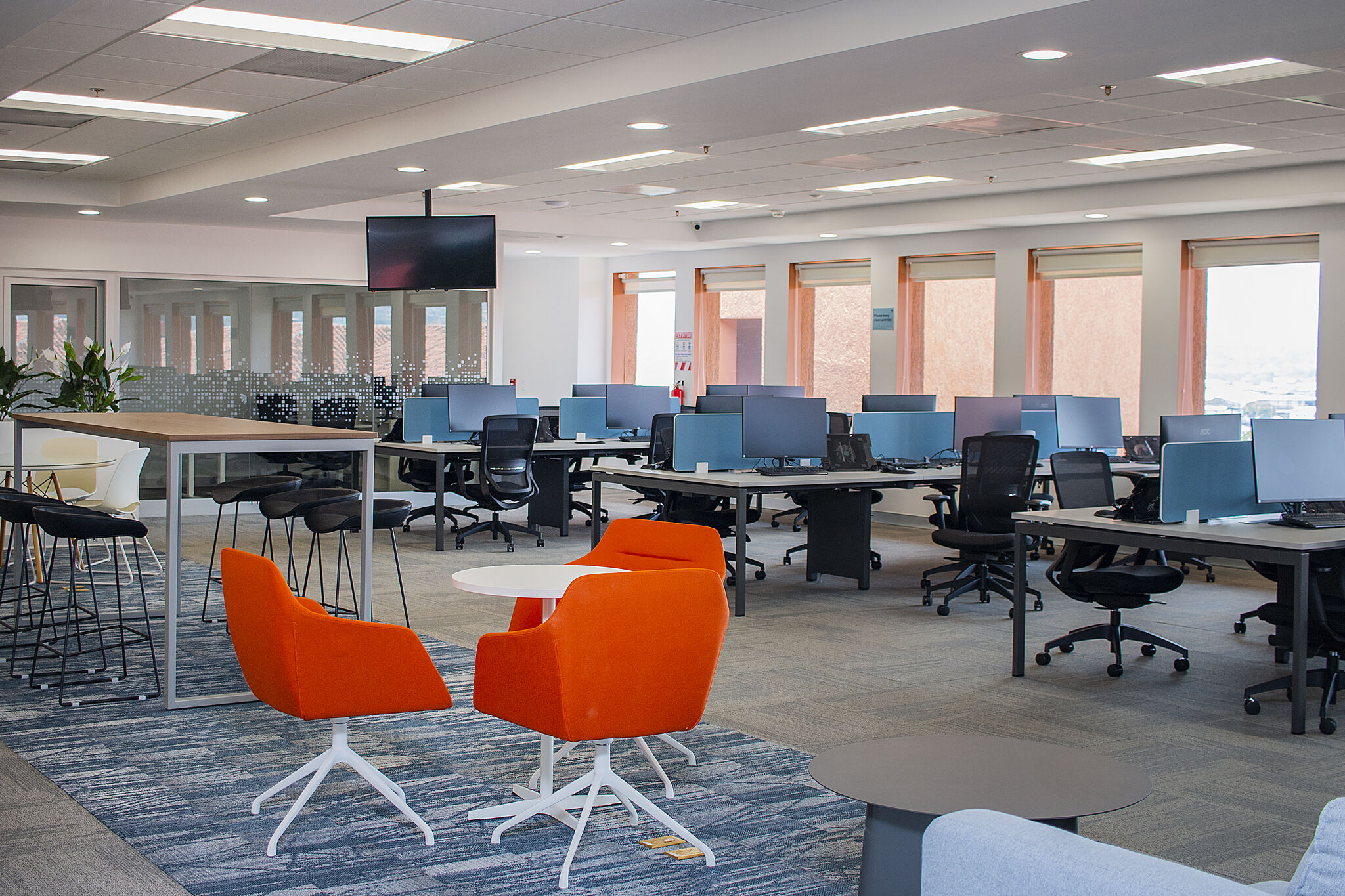
Modern workplaces use a wide range of seating products. Office chairs may be designed for general workstations, executive offices, meeting rooms, training spaces, or more relaxed environments.
Each application creates different expectations for appearance, functionality, materials, and product construction.
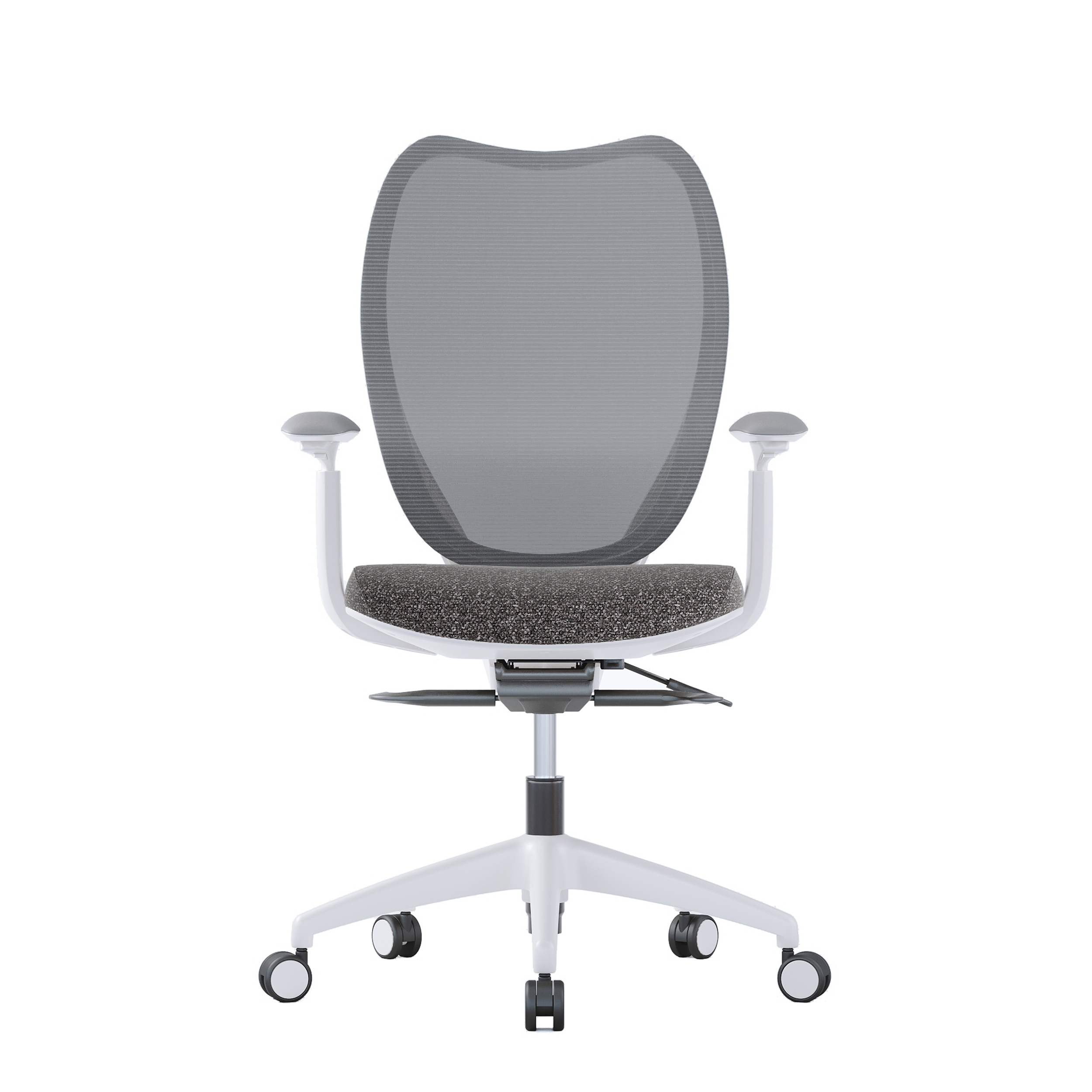
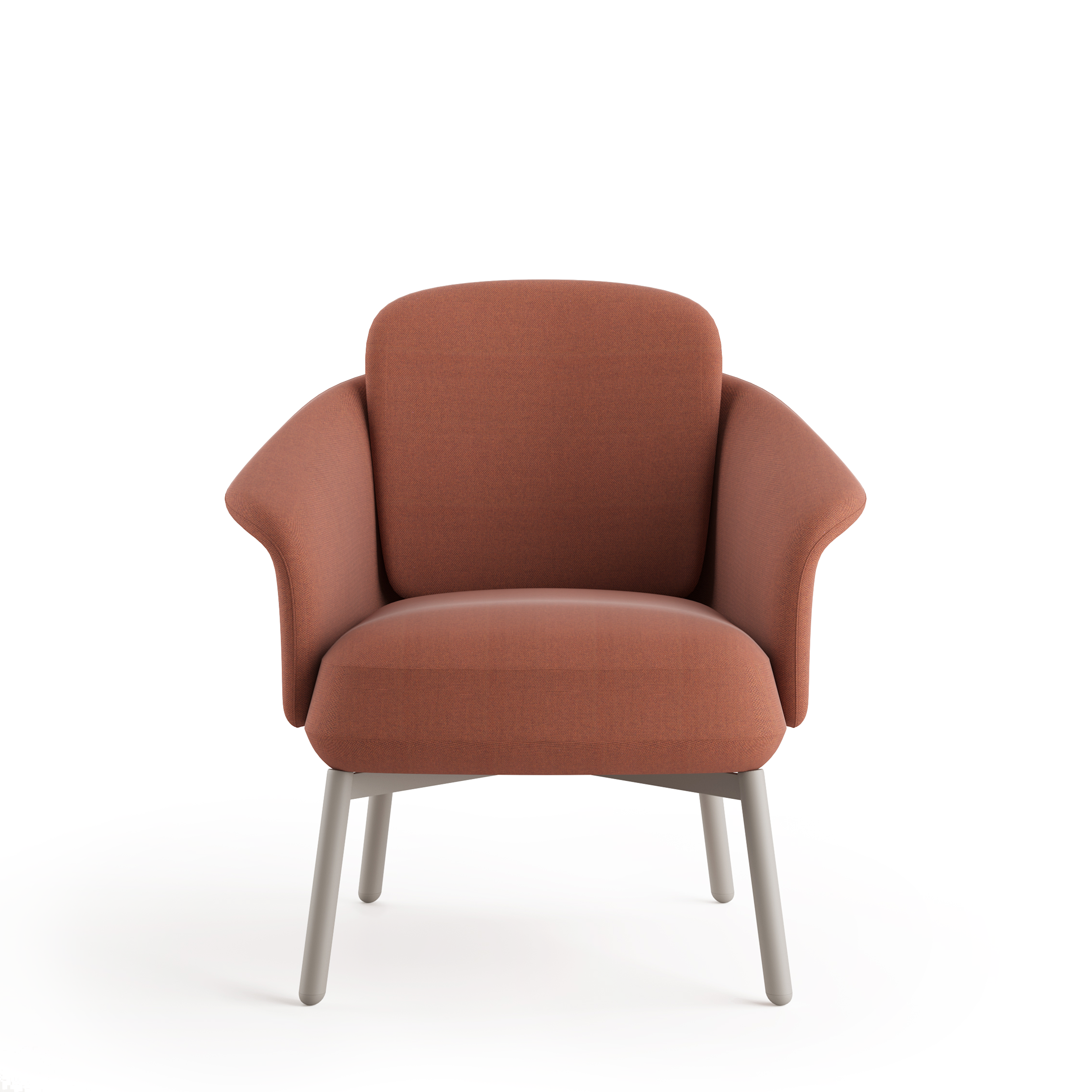
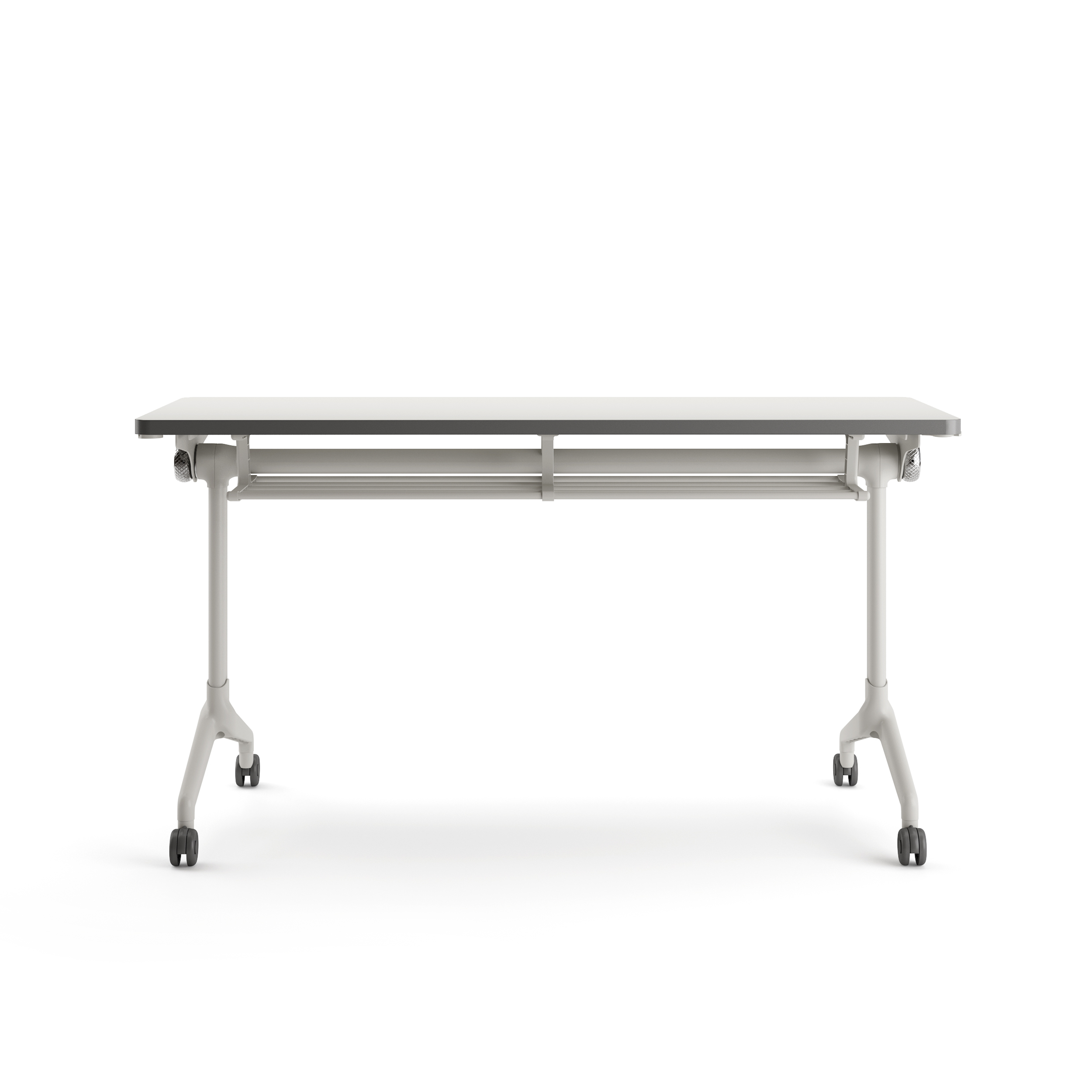
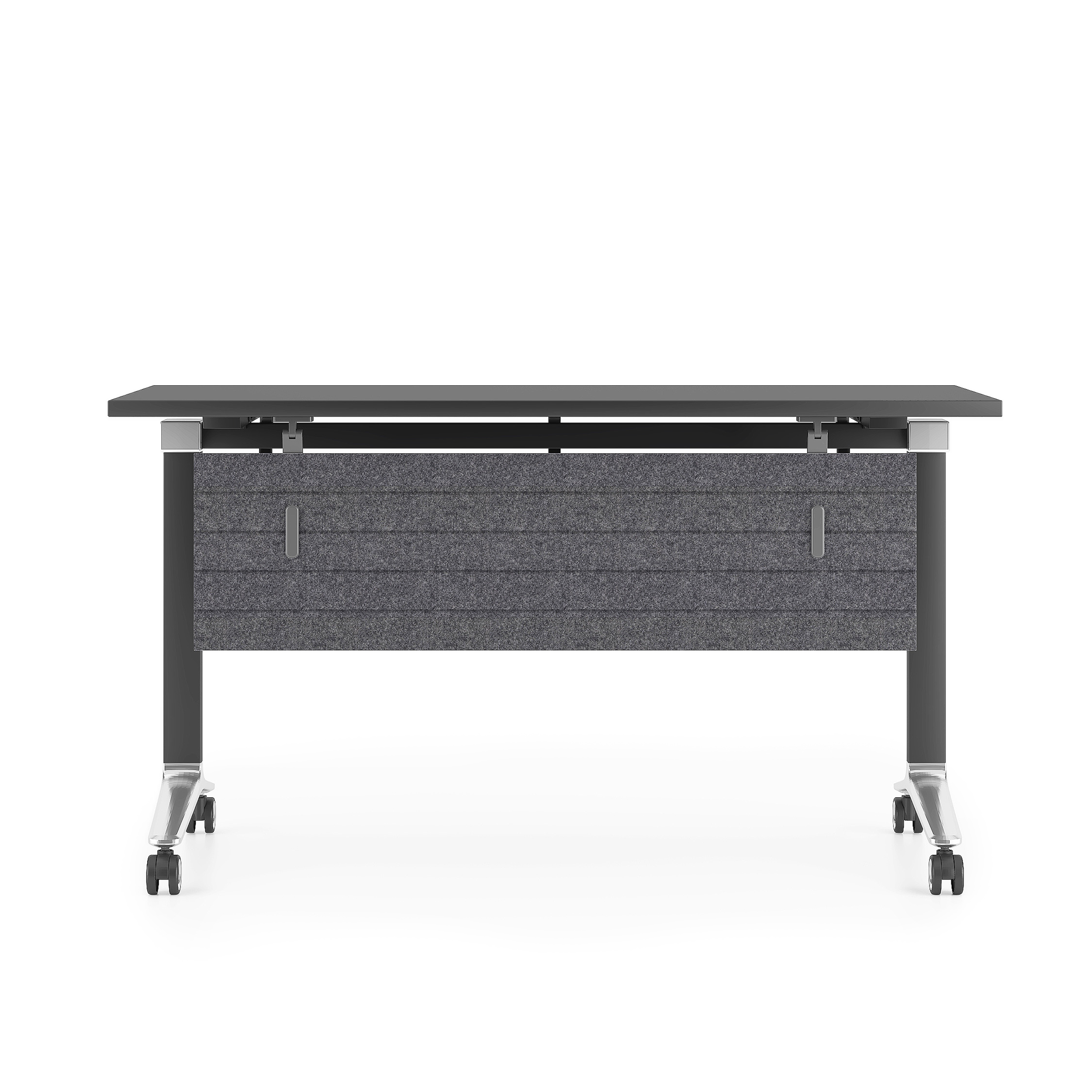
Sitstar's product range includes office chairs, mesh chairs, leather seating, leisure chairs, and training tables and chairs. This variety reflects the different roles furniture can play within contemporary workplaces.
Manufacturing different product categories requires an understanding of their individual design and construction characteristics. Upholstery materials, structural components, and finishing details may vary significantly from one product to another.
A factory's role is therefore not limited to producing a large number of identical items. It also involves coordinating the processes needed to manufacture different designs while maintaining the intended characteristics of each product.
This relationship between product diversity and manufacturing capability is an important part of modern office furniture production.
Sitstar's manufacturing development is connected with Anji, China, a region widely associated with chair manufacturing.
The company's history reflects a broader development within the Chinese furniture industry, where established manufacturing experience is increasingly combined with original design, product development, and international brand building.
According to Sitstar's published information, its products are distributed across more than 140 countries and regions. This international presence connects the company with different workplace environments, design preferences, and seating applications.
International markets do not share a single set of furniture preferences. Office layouts, visual styles, materials, and product functions may vary according to local expectations and project requirements.
For a design-led manufacturer, exposure to different markets creates opportunities to understand these differences and develop products for a broader range of environments.
Manufacturing capability provides the foundation for production, while product design and market understanding help shape the direction of the brand.
The future of office chair manufacturing will continue to be influenced by developments in automation, materials, product design, and workplace culture.
Smart manufacturing can help manufacturers coordinate production processes, while ongoing R&D creates opportunities to explore new product forms and construction methods.
At the same time, the fundamentals of furniture manufacturing remain important. Products must be designed for their intended use, materials must be appropriate for their applications, and manufacturing processes must support the requirements of the finished product.
The most meaningful progress comes from bringing these elements together rather than treating technology, design, and production as separate priorities.
Sitstar's development reflects this relationship between manufacturing infrastructure and design-led product development. Its factory provides the production foundation, while its design and R&D activities contribute to the continued evolution of its office seating range.
As workplace environments change, the connection between manufacturing expertise and product innovation will remain an important part of the office furniture industry's development.
A modern office chair factory is more than a production facility. It is a coordinated environment where materials, equipment, design, engineering, and people work together to create finished products.
Sitstar's 60,000-square-meter manufacturing facility, reported production capacity of one million office chairs per month, and continued investment in product development illustrate the scale and direction of its manufacturing operations.
From injection molding and component production to assembly and quality management, every stage contributes to the final product. Behind the manufacturing system are the people and design ideas that help shape each chair.
By bringing manufacturing experience together with product innovation, Sitstar continues to develop its role in the office seating industry and its approach to modern furniture design.
 Hot News
2026-10-20
2026-10-17
2026-10-15
2026-08-24
2026-08-20
2026-08-17

 EN