An office chair is more than a piece of workplace furniture. It is a product made up of multiple structural components, mechanical systems, cushioning materials, and surface finishes that must work together through repeated daily use. Over time, frequent sitting, reclining, height adjustments, swiveling, and movement place stress on these components.
For businesses furnishing corporate offices, coworking spaces, meeting rooms, and other commercial environments, long-term durability is an important consideration. A chair that maintains its structural integrity and functionality can help reduce premature replacements, maintenance interruptions, and the challenges of managing furniture across multiple workstations.
But how can durability be evaluated beyond appearance and initial sitting comfort?
Industry testing standards provide a more objective way to assess the safety, strength, and performance of an office chair. Standards such as ANSI/BIFMA X5.1 and ISO 21015 establish test methods for evaluating office seating under specified conditions. Material selection, manufacturing consistency, and routine maintenance also influence how a chair performs over time.
Understanding these factors helps furniture manufacturers develop more reliable products and enables businesses to make better-informed decisions when evaluating office chair quality.
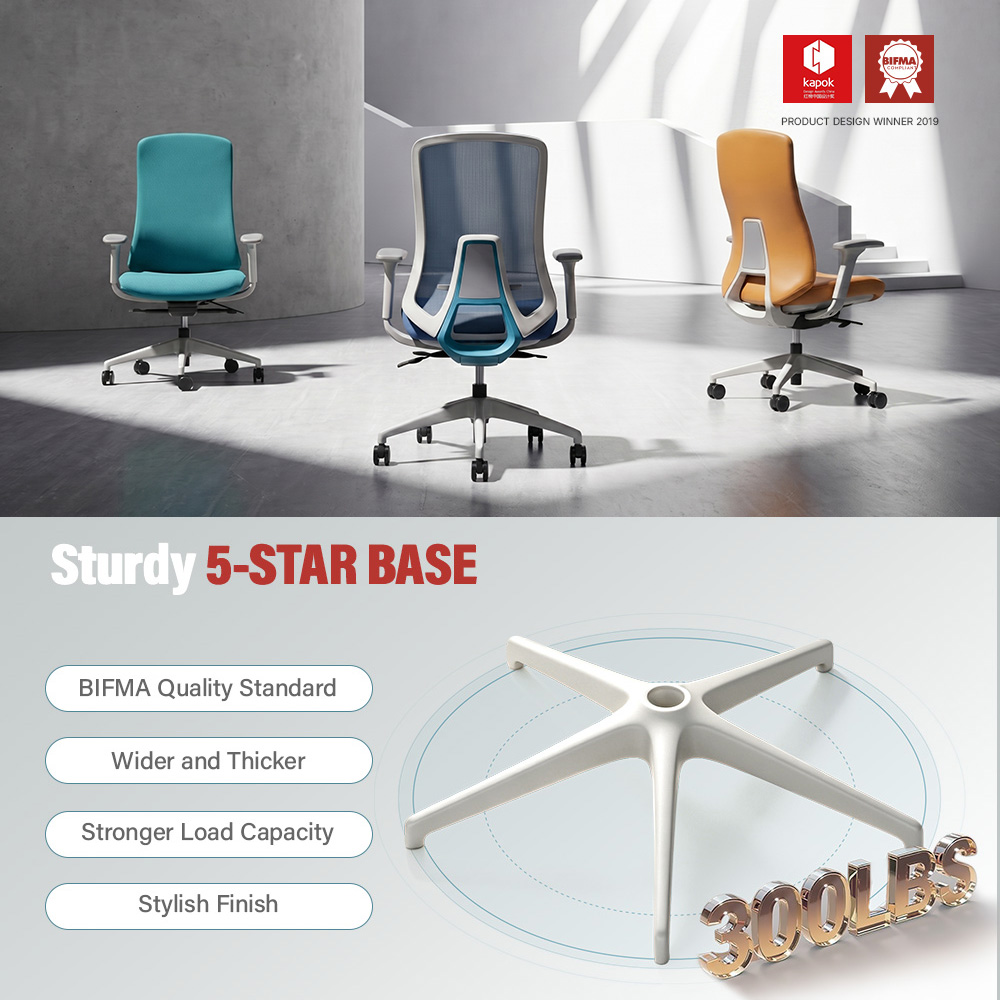
ANSI/BIFMA X5.1 is a widely recognized testing standard for general-purpose office chairs. Developed through the Business and Institutional Furniture Manufacturers Association's standards process, it establishes test procedures and acceptance criteria for evaluating chair safety, durability, and structural adequacy.
The standard covers a range of general-purpose seating, including task chairs, executive chairs, and certain guest and institutional seating products. Its testing framework evaluates how chairs respond to specified forces and repeated use conditions.
Depending on the applicable test, evaluations may examine:
Structural strength under applied loads.
Chair stability during different sitting positions.
Backrest strength and durability.
Armrest strength.
Seat and structural durability under repeated loading.
Performance of relevant chair mechanisms and components.
These tests help identify potential weaknesses that may not be apparent during a brief showroom demonstration.
For example, an office chair may feel stable when someone sits on it for a few minutes, yet develop loose fasteners or mechanical problems after repeated use. Testing under defined conditions provides a more systematic way to assess its performance.
It is important to understand that a standard does not necessarily apply to every type of seating in the same way. Manufacturers and specifiers should determine which standard is appropriate for the intended chair category and application.
No. Passing a durability standard does not automatically guarantee that an office chair will last for a particular number of years.
BIFMA's general-purpose office chair testing framework was developed around expected workplace use conditions. Actual service life can still vary according to user size and weight, frequency of use, maintenance, environmental conditions, and other factors.
For this reason, buyers should treat BIFMA testing as evidence of performance against defined criteria rather than a promise of a fixed product lifespan.
When evaluating an office chair, it is useful to review the applicable standard, the scope of the testing, the specific model tested, and the available documentation.
ISO 21015 is an international standard titled Office furniture — Office work chairs — Test methods for the determination of stability, strength and durability.
It specifies methods for evaluating the stability, strength, and durability of office work chairs assembled and ready for use. Its purpose is to provide a structured testing approach for assessing how an office chair performs under defined conditions.
For companies serving international markets, ISO testing methods can be relevant when developing product specifications or evaluating seating for different project requirements.
ANSI/BIFMA X5.1 and ISO 21015 share an emphasis on structural performance, but they are separate standards with their own procedures and requirements. They should not be treated as automatically interchangeable.
The appropriate testing framework depends on the intended market, chair category, project specifications, and applicable requirements.
Without a consistent testing framework, statements such as "heavy-duty construction" or "long-lasting quality" can be difficult to compare across different products.
Standardized tests help translate broad durability claims into more objective performance criteria. Manufacturers can use the results to identify design weaknesses, refine component specifications, and evaluate whether a product meets the requirements relevant to its intended use.
For commercial furniture projects, documented testing can also make technical discussions more straightforward. Architects, furniture distributors, contractors, and facility managers can assess products against defined criteria rather than relying entirely on appearance or marketing descriptions.
When evaluating an office chair, buyers may encounter terms such as "tested to BIFMA standards," "compliant with an applicable standard," "quality-controlled manufacturing," and "five-year warranty." These statements relate to different aspects of product quality and should not be treated as interchangeable.
A test report records the results and scope of specified tests conducted on a product or its components. Depending on the document, it may identify the product model, test method, conditions, measured results, and whether the relevant acceptance criteria were met.
A report can help buyers understand what was evaluated and how the product performed under those test conditions. However, its value depends on the actual scope of the document. A report covering selected tests does not necessarily demonstrate that every component or every requirement of a standard has been evaluated.
A statement that a chair complies with a particular standard indicates that the relevant requirements have been addressed according to the applicable conformity process and supporting evidence.
Buyers should confirm the exact standard and edition, the product model and configuration covered, and the scope of the supporting documentation. A general statement that a product meets a standard should not automatically be interpreted as proof that every component has been independently tested or that the product meets every possible quality requirement.
The precise meaning of a compliance claim depends on the applicable standard, the evidence provided, and the process used to establish conformity.
Manufacturing quality management focuses on how materials, components, assembly processes, and finished products are controlled during production.
For example, a manufacturer may inspect incoming materials, verify critical dimensions, check assembly quality, test adjustment functions, and inspect finished chairs before shipment.
These procedures help reduce production variation and support consistent output across batches. However, the existence of a general quality-control process does not automatically prove that a particular chair has passed a specific durability test.
A warranty defines the manufacturer's obligations under specified conditions, including the coverage period, eligible products, exclusions, and procedures for handling claims.
A longer warranty may provide additional protection against certain covered defects, but it does not necessarily establish a product's exact service life or demonstrate compliance with a particular testing standard.
The four concepts serve different purposes: test reports document test results; standards compliance relates to meeting specified requirements; manufacturing quality management supports production consistency; and warranty policies define after-sales obligations.
For a more complete assessment, buyers should consider all four alongside the product's materials, design, intended use, and maintenance requirements.
Testing standards provide a structured way to evaluate performance, but an office chair's long-term durability also depends on its individual components and how they work together.
The frame and base support the user's weight and help maintain overall stability. Their strength, geometry, material selection, and connection points all contribute to structural performance.
A poorly designed connection or unsuitable component can become a weak point even when other parts of the chair are well constructed.
When evaluating an office chair, buyers should consider the construction materials, base design, connection methods, and relevant structural test results.
The gas lift allows users to adjust seat height. Because this mechanism is operated repeatedly, its safety and functional reliability are important parts of overall chair performance.
Testing and product documentation can help buyers assess whether the relevant components have been evaluated for their intended application.
The adjustment mechanism should also be used according to the manufacturer's instructions. Improper handling, unauthorized modifications, or unsuitable replacement components may affect performance.
Reclining and leaning movements place repeated stress on the tilt mechanism, backrest, connecting brackets, and fasteners.
A well-engineered chair needs to accommodate its intended range of movement while maintaining appropriate structural support.
Durability testing can help reveal problems such as component deformation, loose connections, or loss of function under specified loading conditions. For chairs with adjustable reclining features, the applicable tests should reflect the product's actual mechanism and design.
Casters affect how smoothly a chair moves and how well it performs on the intended floor surface. Their durability depends on wheel materials, construction, loading conditions, and compatibility with the floor.
A chair used on carpet may require different caster characteristics from one used on a hard floor. Selecting appropriate casters can help maintain functionality and reduce unnecessary wear.
Regular inspection is also important. Damaged wheels, accumulated debris, or loose components can affect movement and may place additional stress on other parts of the chair.
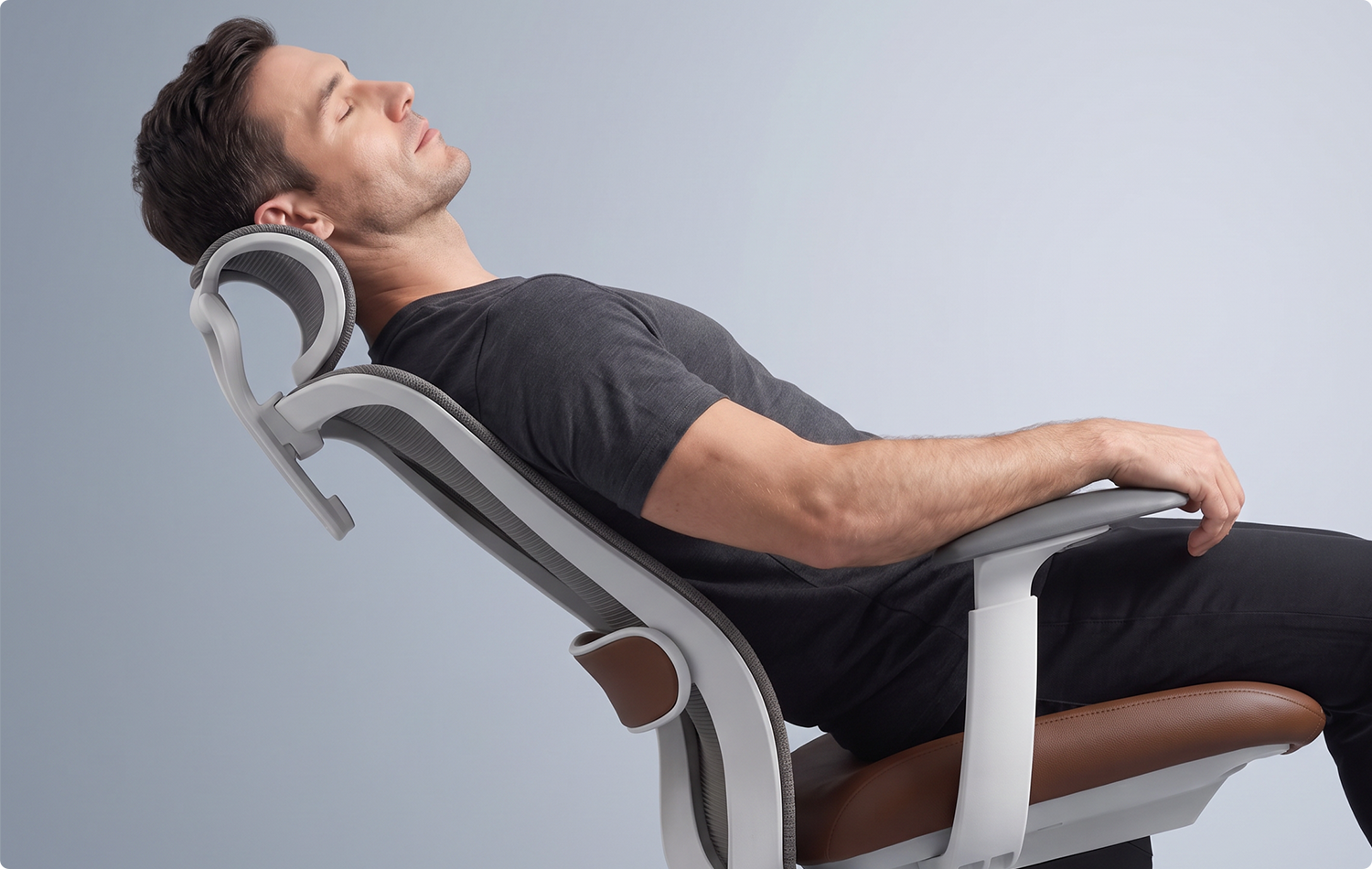
Even when a chair's overall design is sound, the materials used in its construction affect how it performs over time.
Metal frames, plastic components, mesh fabrics, leather upholstery, foam cushioning, and mechanical parts each have different characteristics. Their suitability depends on the intended application and the way they are combined.
For example, upholstery may need to withstand frequent contact and cleaning, while cushioning should maintain appropriate support under the expected use conditions. Structural components must be suitable for the loads and movements specified for the chair.
Material selection should therefore be considered alongside design, testing, and manufacturing processes rather than as an isolated indicator of quality.
Product durability depends not only on the original design but also on how consistently that design is reproduced during manufacturing.
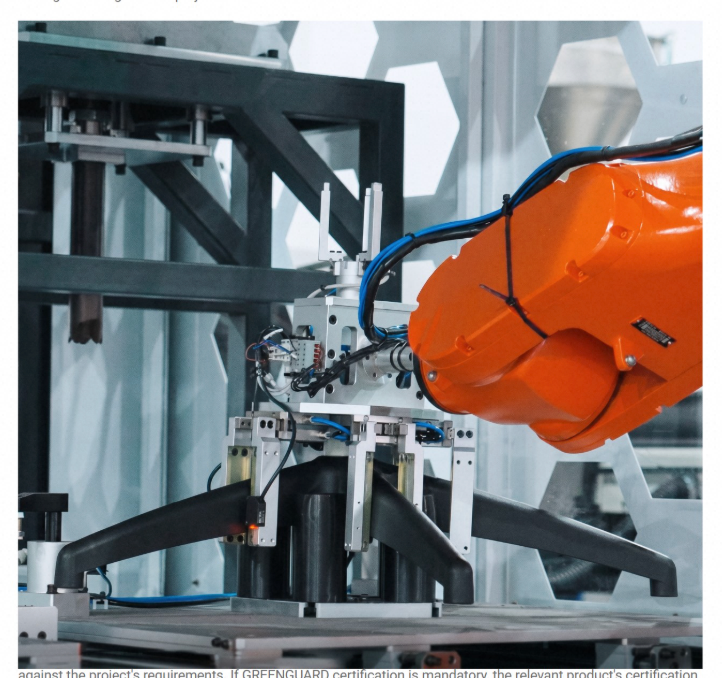
Variations in component dimensions, fastening, assembly, or material quality can affect the performance of finished chairs. Quality control helps identify these variations before products reach customers.
A structured manufacturing workflow may include:
Incoming material and component inspection.
Verification of critical dimensions.
Assembly checks at relevant production stages.
Functional checks of adjustment mechanisms.
Final product inspection.
Appropriate packaging and handling before shipment.
These procedures support more consistent production, particularly when an office chair model is manufactured in large quantities.
However, a general quality-control process does not replace product-specific durability testing. Both contribute to a more complete assessment of office chair performance.
Sitstar specializes in the design and manufacturing of office chairs and leisure seating. Its published product range includes mesh office chairs, leather chairs, executive seating, and other solutions for modern workplaces.
The company describes its approach as combining original design, product development, and manufacturing capabilities. Its published company information identifies a manufacturing facility of approximately 60,000 square meters, a workforce of around 300 employees, and a research and development team of more than 50 people.
These capabilities form part of the company's broader approach to product development and production.
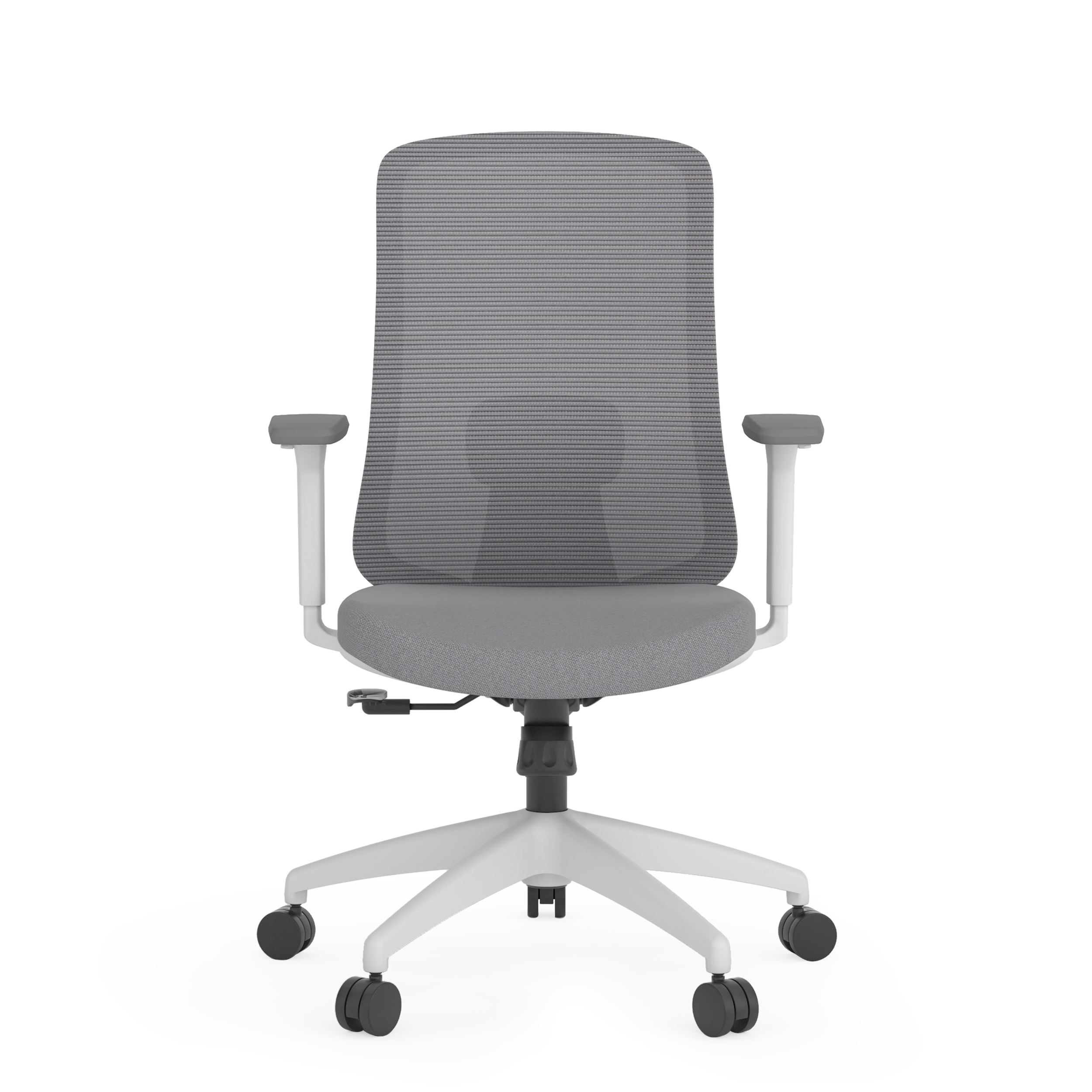
Sitstar's published information for its Lightweight Ergonomic Mesh Office Chair states that the model has undergone BIFMA testing. The listed test areas include static load performance, dynamic durability cycles, gas lift safety, base structural strength, five-star base load capacity, and caster wear resistance.
These test categories are relevant to several of the components that influence long-term office chair performance.
For businesses evaluating this model, the published information provides a starting point for understanding its testing scope. Where a project requires formal evidence of compliance, buyers should obtain the applicable test reports or certification documentation and confirm the exact model, standard edition, and testing scope.
It is also important to distinguish between the documented testing status of an individual product and a manufacturer's broader quality statements. Certification or testing results for one chair should not automatically be assumed to cover every product in a company's range.
Testing is an important part of product evaluation, but it is not the only factor affecting durability.
Material consistency, manufacturing controls, assembly quality, packaging, and maintenance guidance all influence how an office chair performs after delivery.
Sitstar also publishes a five-year quality warranty for its chairs. Buyers should review the applicable warranty terms to understand the products covered, the conditions of use, and any exclusions.
A warranty and a durability test serve different purposes. Testing evaluates performance under defined conditions, while a warranty sets out the manufacturer's obligations under specified terms. Considering both provides a more complete view of product support and quality expectations.
A test report is most useful when buyers can clearly identify which product was tested, which requirements were evaluated, and which components were included in the testing scope. Instead of checking only whether a report exists, procurement teams should review several specific details.
Check the model name or number and compare it with the product being considered for purchase. Where relevant, confirm the configuration, including the base, gas lift, tilt mechanism, casters, armrests, and other specified components.
A report for a similar-looking chair or a different configuration should not automatically be assumed to apply to the selected product.
Identify the exact standard referenced in the report, including its edition or version where stated. Confirm that it is appropriate for the chair category, intended market, and project requirements.
ANSI/BIFMA X5.1 and ISO 21015 are separate standards. A report referring to one should not automatically be treated as evidence of testing against the other.
Check which tests were performed and what the report records about the results. Depending on the applicable standard and product design, relevant test areas may include structural strength, stability, repeated loading, backrest performance, and the operation of chair mechanisms.
Do not assume that a report covers every possible test simply because it references a recognized standard. Review the actual test list and scope.
For office chair procurement, buyers should pay particular attention to whether the available documentation covers the components most relevant to the intended use, including:
Base: Check whether the relevant structural strength, load-bearing, or stability tests are included in the applicable testing scope.
Gas lift: Review whether the documentation addresses the safety or performance of the height-adjustment mechanism, where applicable.
Tilt mechanism: Confirm whether the chair's reclining or tilt mechanism is included in the relevant functional or durability tests.
Casters: Check whether the documentation covers applicable wheel durability, wear, or performance tests.
Frame, seat, backrest, and connections: Review whether the structural parts and connection points relevant to the chair's design are addressed by the reported tests.
The exact tests required depend on the applicable standard and product configuration. A component's appearance in the product specification does not, by itself, prove that it has been tested separately. Likewise, a test covering one component does not automatically demonstrate the performance of every other component.
Confirm whether the report identifies the tested model, applicable standard, test methods, and results clearly enough to support the claim being made. If the project requires formal evidence of compliance, ask the manufacturer for the relevant report or certification documentation.
If a document's scope is unclear, request clarification rather than assuming that all quality requirements have been met.
Even a relevant test report represents only one part of the overall evaluation. Buyers should also review manufacturing quality controls, material specifications, warranty terms, and maintenance guidance. These provide different kinds of information and should not be substituted for one another.
For example, a report may document a chair's performance in specified durability tests, while manufacturing quality controls address consistency between production batches. A warranty explains the manufacturer's coverage obligations, while maintenance instructions help users care for the product after delivery.
Reviewing these materials together gives procurement teams a clearer picture of the product's documented performance, production consistency, and after-sales support.
Not every office chair is used in the same way. A chair in a private executive office may experience different levels of use from seating in a busy coworking space, conference room, or shared workstation.
Consequently, the appropriate durability requirements should reflect the intended application.
For regular desk work, buyers may prioritize structural stability, seat and backrest durability, adjustment mechanisms, and suitable caster performance.
Where employees use chairs throughout the working day, it is particularly important to review the product's intended usage conditions and available test documentation.
Meeting rooms often involve frequent changes of users and repeated sitting and standing. Chairs may also be moved between tables or repositioned during room reconfiguration.
In these environments, structural strength, functional reliability, and ease of maintenance can all contribute to long-term value.
For coworking spaces and other high-traffic settings, buyers should pay close attention to expected usage intensity, the number of users, and the maintenance resources available.
A standard intended for general-purpose office chairs may be appropriate for many applications, but some seating categories or specialized uses may require a different testing framework.
The most suitable choice depends on the actual product and operating conditions, not simply on whether a chair is described as commercial or heavy-duty.

A chair's initial purchase price does not tell the whole story. Long-term ownership also involves inspection, maintenance, repairs, and eventual replacement.
A chair that remains functional for longer may reduce the frequency of replacements, but its actual service life depends on how it is used and maintained.
Businesses can support longer service life through practical measures such as:
Following the manufacturer's assembly and usage instructions.
Avoiding loads or movements outside the chair's intended use.
Inspecting casters, fasteners, and adjustment mechanisms periodically.
Cleaning upholstery and other surfaces according to material-specific guidance.
Replacing worn or damaged components with suitable parts.
Keeping records of recurring maintenance issues across multiple workstations.
For larger office installations, a consistent maintenance schedule can help facility teams identify recurring problems and make more informed decisions about future furniture specifications.
Durability standards, test reports, manufacturing quality management, warranty conditions, and maintenance practices should be considered together. No single test, document, or policy can account for every variable that affects the life of an office chair.
Long-term office chair durability is influenced by several interconnected factors, including structural design, component materials, manufacturing consistency, testing standards, and maintenance.
ANSI/BIFMA X5.1 provides a recognized framework for evaluating general-purpose office chair safety, strength, and durability. ISO 21015 offers an international framework for testing the stability, strength, and durability of office work chairs. Both can help manufacturers and buyers assess product performance against defined criteria when the relevant standard applies.
For businesses evaluating office chairs, the most useful approach is to review the exact model, identify the applicable standard, examine available testing documentation, and consider the expected working environment. Buyers should also verify which components and test items are covered by the documentation rather than assuming that a reference to a standard covers every part of a chair.
Sitstar's office seating range includes products with different materials, designs, and functional configurations. Its published information on product testing, manufacturing capabilities, and warranty support can help inform product evaluation. Model-specific documentation remains essential whenever a project requires evidence of compliance with a particular standard.
By combining objective testing with careful material selection, consistent manufacturing, clear warranty terms, and appropriate maintenance, manufacturers and businesses can make better-informed decisions about office chair quality and long-term performance.
ANSI/BIFMA X5.1 is a widely recognized standard for general-purpose office chairs. It specifies test procedures and acceptance criteria for evaluating safety, strength, and durability. The appropriate standard depends on the chair category and intended application.
Both address aspects of office chair performance, but they are separate standards with different testing frameworks. ANSI/BIFMA X5.1 focuses on general-purpose office chairs, while ISO 21015 specifies test methods for the stability, strength, and durability of office work chairs.
No. Passing the relevant tests demonstrates performance against specified criteria, not a guaranteed service life. Actual durability depends on factors such as user weight, frequency of use, maintenance, and environmental conditions.
Important components include the frame, base, gas lift, tilt mechanism, backrest connections, casters, and other moving parts. Their durability depends on appropriate design, materials, assembly, and performance under the intended conditions of use.
Buyers should confirm the exact product model and configuration, the applicable standard and edition, the specific test items and results, and the scope of the documentation. They should also check whether relevant tests cover key components such as the base, gas lift, tilt mechanism, casters, frame, and structural connections, as applicable to the product and standard.
Not necessarily. A test report documents the results and scope of specified tests. Manufacturing quality management focuses on how materials, assembly, and finished products are controlled throughout production. Both are important, but they provide different kinds of evidence.
No. Compliance relates to meeting specified standard requirements, while a warranty defines the manufacturer's obligations under particular terms and conditions. A warranty does not automatically prove that a chair has passed a particular test, and passing a test does not establish the exact service life or warranty coverage.
Buyers should request the relevant test report or certification documentation and confirm the exact product model, standard, edition, and testing scope. A general statement about a manufacturer's quality standards does not automatically prove that every model has passed the same tests.
Sitstar publishes information about its manufacturing capabilities, product development, quality assurance, and warranty. Its Lightweight Ergonomic Mesh Office Chair product information also describes BIFMA testing. Buyers requiring formal compliance evidence should verify the documentation for the specific model under consideration.
 Hot News
2026-10-27
2026-10-25
2026-10-20
2026-10-14
2026-10-17
2026-05-13

 EN