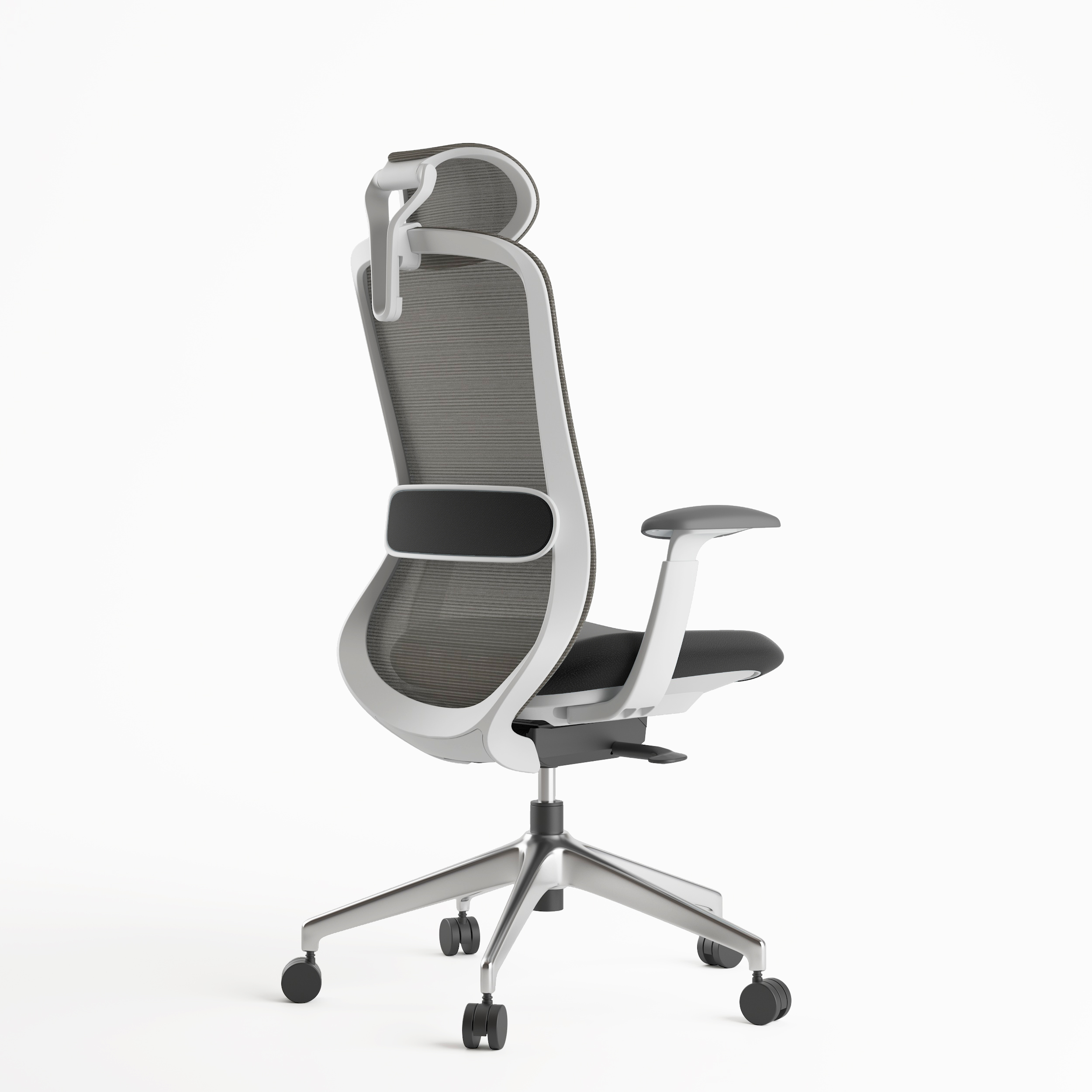
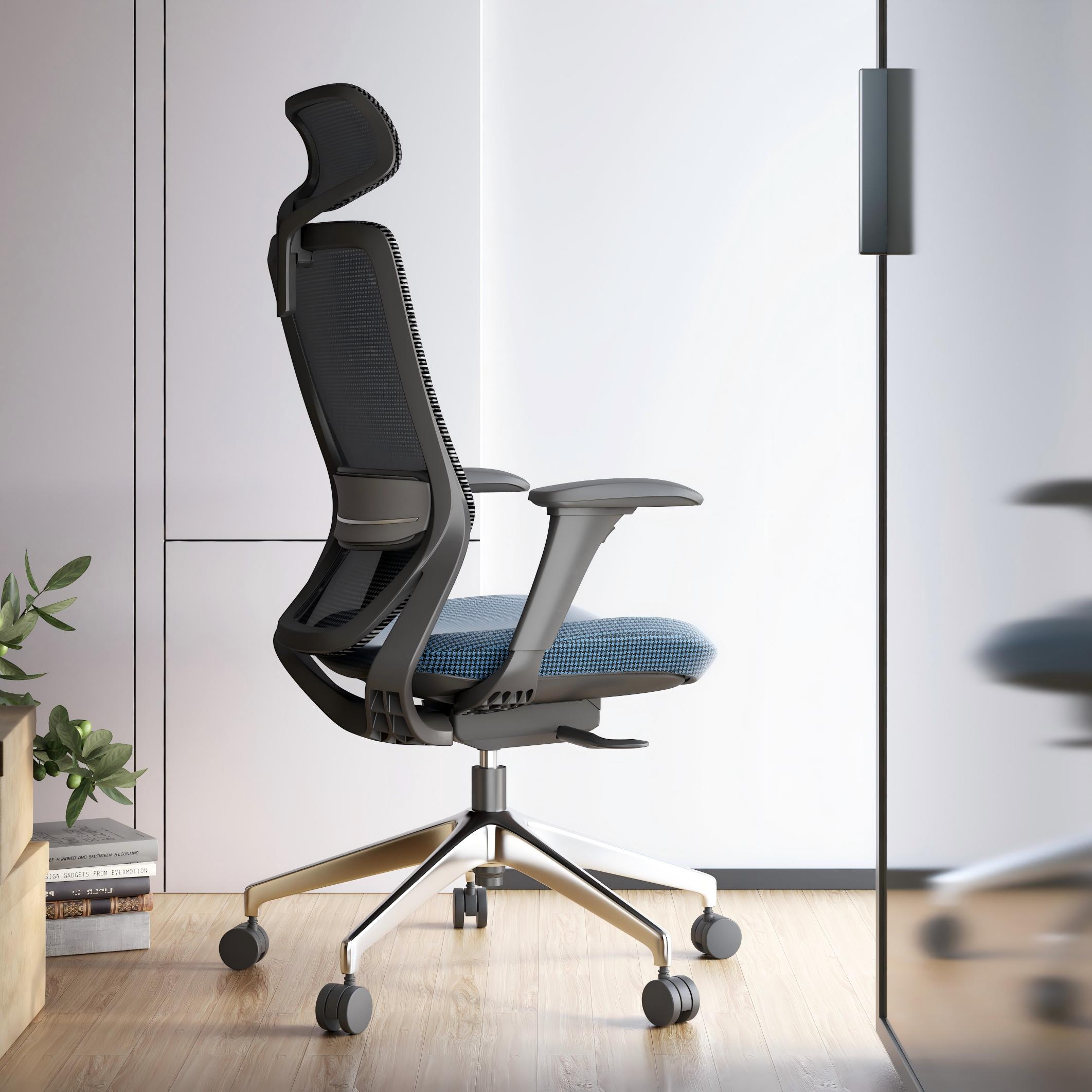
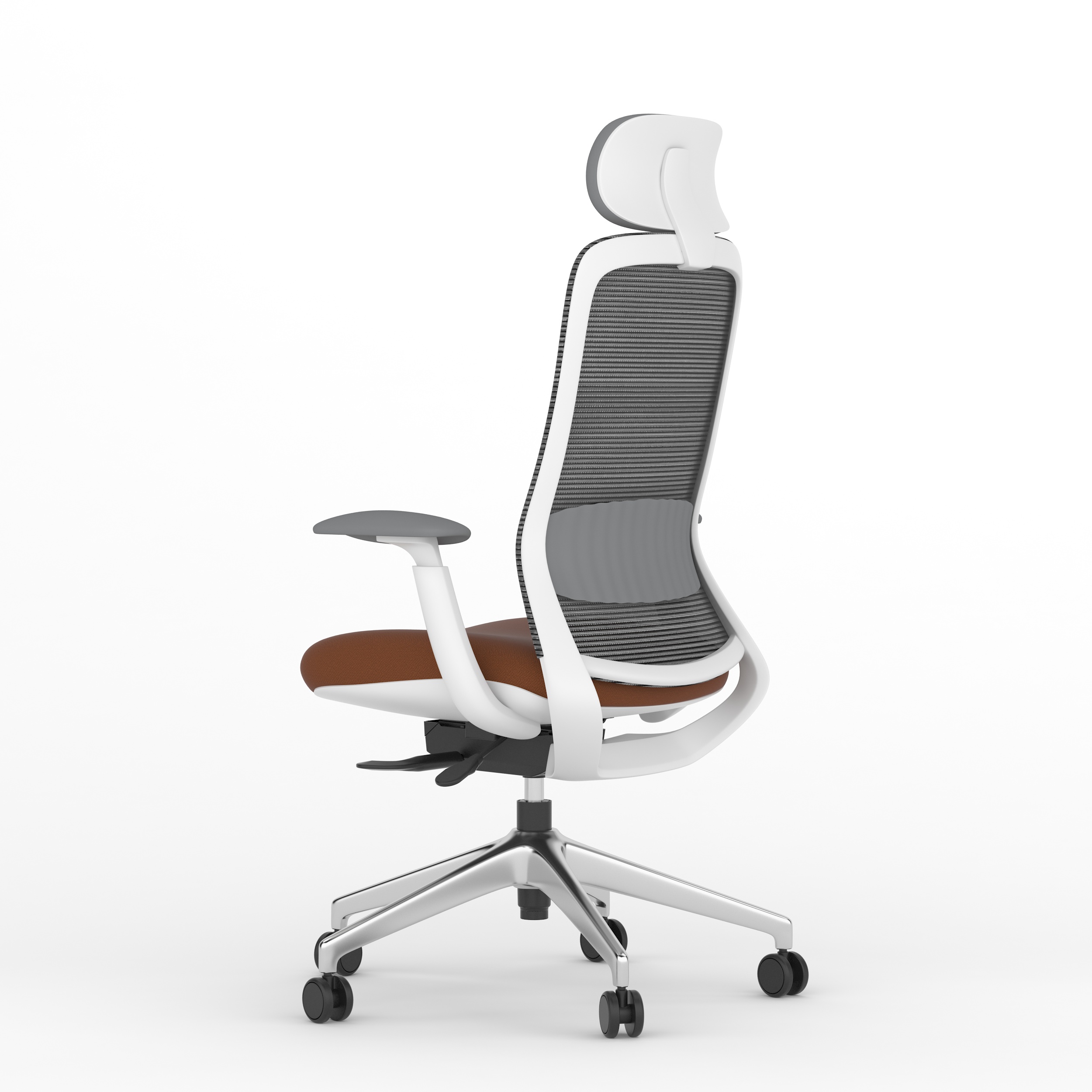
An office chair undergoes constant stress throughout its working life. Every adjustment, every lean, and every user weight creates wear that tests the structural integrity and comfort of your investment. Durability testing transforms design concepts into proven, reliable office chair solutions that perform consistently year after year. This rigorous evaluation process ensures that your office chair meets real-world demands and maintains functionality across decades of use.
Manufacturers invest in rigorous durability testing because a failing office chair creates operational disruptions, safety risks, and unexpected replacement costs. When an office chair fails prematurely, productivity drops, employees experience discomfort, and maintenance expenses multiply. Comprehensive testing protocols validate that your office chair withstands normal use conditions, accidental impacts, and extended operational cycles without degradation. This article explores how durability testing directly improves office chair performance and why this process matters for your workplace investment.
Durability testing for an office chair evaluates how well structural components, mechanical systems, and materials perform under controlled stress. Engineers subject the office chair to standardized cycles that simulate years of typical workplace use in compressed timeframes. A quality office chair must endure repeated tilting, swiveling, height adjustments, and seated weight distribution without developing cracks, loose components, or compromised mechanisms. Testing facilities use mechanical fixtures that apply consistent force patterns to the office chair frame, base, casters, and adjustment mechanisms.
The office chair undergoes examination for material fatigue, joint integrity, finishing durability, and functional reliability after thousands of simulated use cycles. Engineers measure deflection, listen for unusual sounds, and inspect surface finishes after testing completes. This comprehensive approach ensures that your office chair maintains structural soundness, smooth operation, and aesthetic appearance throughout its operational lifespan. Certified testing laboratories follow industry standards such as BIFMA or ISO protocols to maintain consistency and credibility.
Industry standards establish minimum performance thresholds that guide office chair design and manufacturing quality. BIFMA International standards define specific test procedures for an office chair, including drop tests, load tests, and cycle tests that verify safety and durability. These standards ensure that an office chair meets expectations for residential, standard commercial, or heavy-duty industrial environments. Compliance testing protects both manufacturers and users by establishing clear performance expectations.
When an office chair passes rigorous certification testing, buyers gain assurance that the product meets recognized safety and durability benchmarks. Standards-compliant testing reduces liability exposure and builds confidence in the office chair purchase decision. Organizations that prioritize certified, tested office chairs experience fewer unexpected failures, reduced worker compensation claims, and longer asset lifecycles. Compliance verification also supports procurement processes by establishing objective performance criteria that transcend marketing claims.
Durability testing reveals design vulnerabilities before an office chair reaches customers. Engineers identify stress concentration points, inadequate joint design, and material incompatibilities through methodical testing cycles. When testing data shows a weak point in the office chair structure, designers can reinforce that area, improve component selection, or modify assembly methods. This iterative process transforms theoretical designs into robust, field-proven office chair solutions that perform reliably.
The office chair that emerges from rigorous durability testing incorporates lessons learned from thousands of simulated use cycles. Fixing design issues during development costs far less than managing field failures, warranty claims, and customer dissatisfaction. An office chair tested comprehensively before market introduction delivers consistent performance and minimizes long-term maintenance surprises. This proactive approach separates premium products from budget alternatives that fail prematurely.
Durability testing validates that materials selected for an office chair maintain their properties under stress and environmental exposure. Testing protocols expose the office chair to temperature variations, humidity cycles, and repetitive mechanical stress that simulate real workplace conditions. When an office chair component shows degradation during testing, manufacturers can upgrade materials, improve coatings, or modify assembly techniques. This refinement process ensures every office chair component contributes to overall durability and performance.
The office chair assembly process benefits from durability testing insights that reveal where joints fail, fasteners loosen, or welds crack under stress. Manufacturers strengthen welds, upgrade fastener specifications, and improve joint tolerances based on test data. An office chair built with optimized materials and assembly quality outperforms comparable products and maintains value longer. This quality foundation reduces maintenance frequency and extends the useful service life of your office chair investment.
Safety represents a critical outcome of durability testing for an office chair. Testing ensures that the office chair base remains stable during extreme tilt angles, casters function smoothly throughout their mechanical life, and adjustment mechanisms operate safely after thousands of use cycles. An office chair that fails structurally or mechanically creates fall hazards, pinch points, and instability risks that threaten user safety. Rigorous testing eliminates these risks through evidence-based performance validation.
Comfort durability matters equally because an office chair that develops squeaks, stiffness, or uneven surfaces after months of use creates an unpleasant workspace environment. Durability testing validates that cushioning materials maintain resilience, adjustment mechanisms remain smooth, and surfaces resist wear and creasing. When an office chair passes comprehensive durability testing, users experience consistent comfort and functionality throughout the product's lifespan. This reliability directly impacts productivity, worker satisfaction, and total cost of ownership.
An office chair selected based on durability testing performance delivers lower total cost of ownership than budget alternatives. While an office chair with proven durability may carry a higher initial purchase price, reduced maintenance needs, extended service life, and minimized replacement frequency create substantial long-term savings. Organizations that calculate the true cost of ownership consistently discover that a durable office chair provides superior financial value. Durability testing provides the objective evidence needed to justify this investment decision.
When an office chair fails prematurely, organizations incur replacement costs, installation labor, disposal fees, and productivity disruption. The same office chair might have been used for additional years if durability had been prioritized during selection. An office chair with documented durability performance reduces these hidden costs and supports budget predictability. Finance teams benefit from knowing that a durability-tested office chair will perform reliably throughout its planned service cycle.
An office chair that performs reliably without developing creaks, movements, or mechanical failures contributes to a professional, distraction-free workspace. When an office chair maintains comfortable support and smooth functionality, employees remain focused on work rather than managing discomfort or equipment frustration. Organizations that prioritize durability-tested office chairs report improved employee satisfaction scores and reduced complaints about workspace quality. This positive impact extends beyond the office chair itself to overall workplace culture and perceived organizational commitment to employee welfare.
Reliability in an office chair design creates predictable performance that users can depend on throughout the workday. When an office chair functions consistently, users can concentrate on tasks instead of managing equipment issues. This reliability difference compounds across teams and departments, creating measurable productivity improvements. Durability testing ensures that your office chair delivers this consistent, dependable performance that supports optimal workforce engagement.
Procurement professionals use durability testing results as objective criteria for selecting office chair suppliers and models. When suppliers provide documented test reports, procurement teams gain confidence that office chair purchases will deliver expected performance and lifespan. This evidence-based approach reduces procurement risk and protects organizations from defective products, unexpected replacements, and supplier performance inconsistencies. Durability testing transforms office chair selection from subjective preference into data-driven decision-making.
Organizations benefit when suppliers transparently share durability testing data and certifications for their office chair products. This transparency demonstrates manufacturer confidence in office chair quality and creates accountability for performance claims. An office chair backed by rigorous testing documentation provides stronger negotiating leverage with suppliers and clearer warranty expectations. This documented performance history protects organizations from premature failures and establishes clear remediation procedures if problems occur.
Standard durability testing for an office chair includes drop tests that simulate impact from accidental falls, load tests that apply weight equivalent to maximum user specifications, and cycle tests that repeat tilting and swiveling motions thousands of times. Additional tests measure caster performance, armrest strength, and gas cylinder durability. These comprehensive protocols ensure that an office chair performs safely across all typical use scenarios and failure modes.
A complete durability testing program for an office chair typically requires 4 to 12 weeks, depending on the number of test cycles and protocols required. Testing laboratories compress years of simulated use into accelerated cycles by applying repetitive stress at controlled rates. The timeline for an office chair project depends on which standards apply, whether multiple prototypes require testing, and how quickly results are needed for manufacturing decisions.
Durability testing significantly reduces but cannot completely eliminate all office chair failures because real-world conditions introduce variables that exceed controlled laboratory parameters. However, an office chair that passes comprehensive durability testing will have far fewer premature failures than untested alternatives. Durability testing specifically targets the most common failure modes and use conditions, ensuring that your office chair performs reliably across typical workplace scenarios and normal operational stresses.
 Hot News
2026-09-26
2026-09-22
2026-09-15
2026-09-08
2026-09-01
2026-08-24

 EN
EN