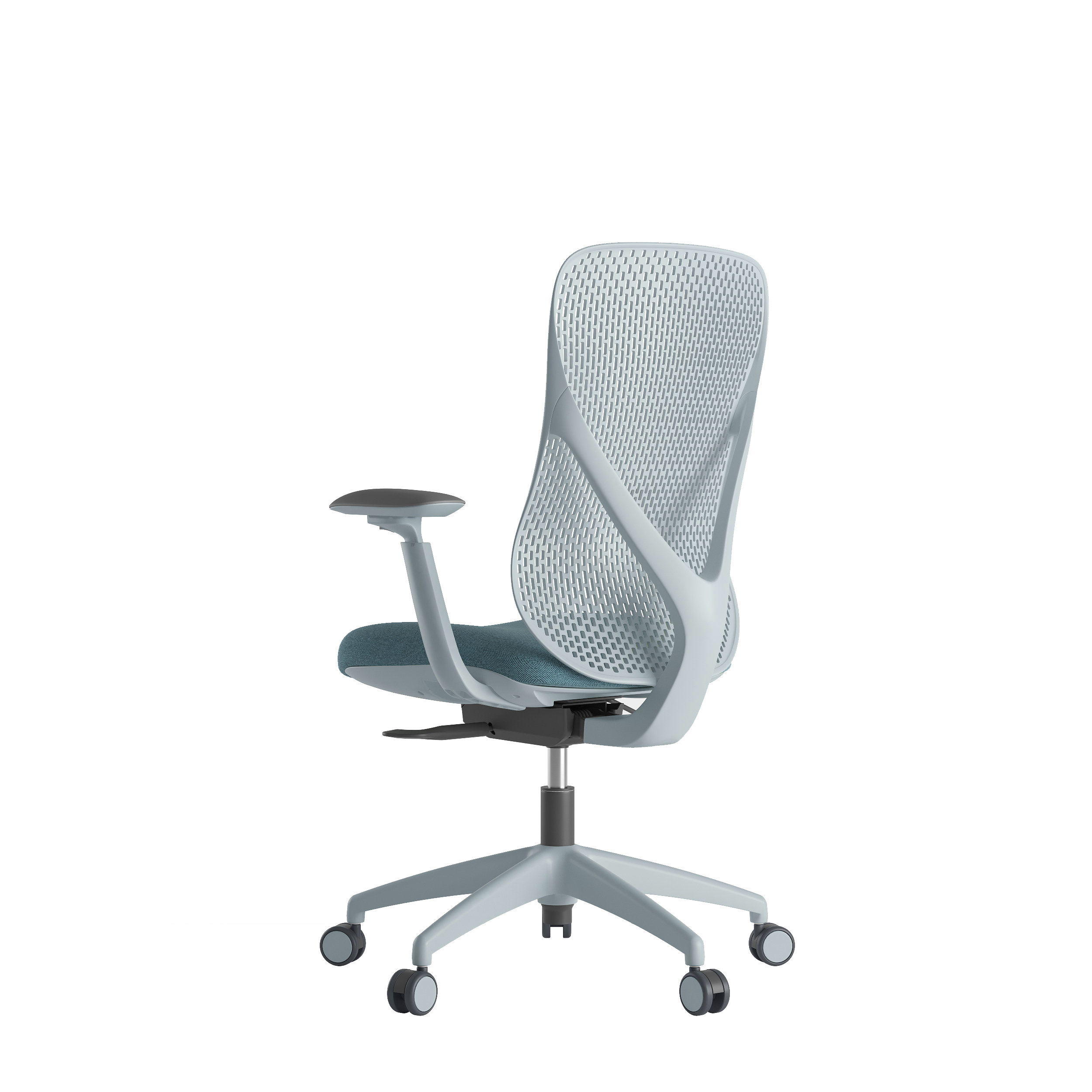
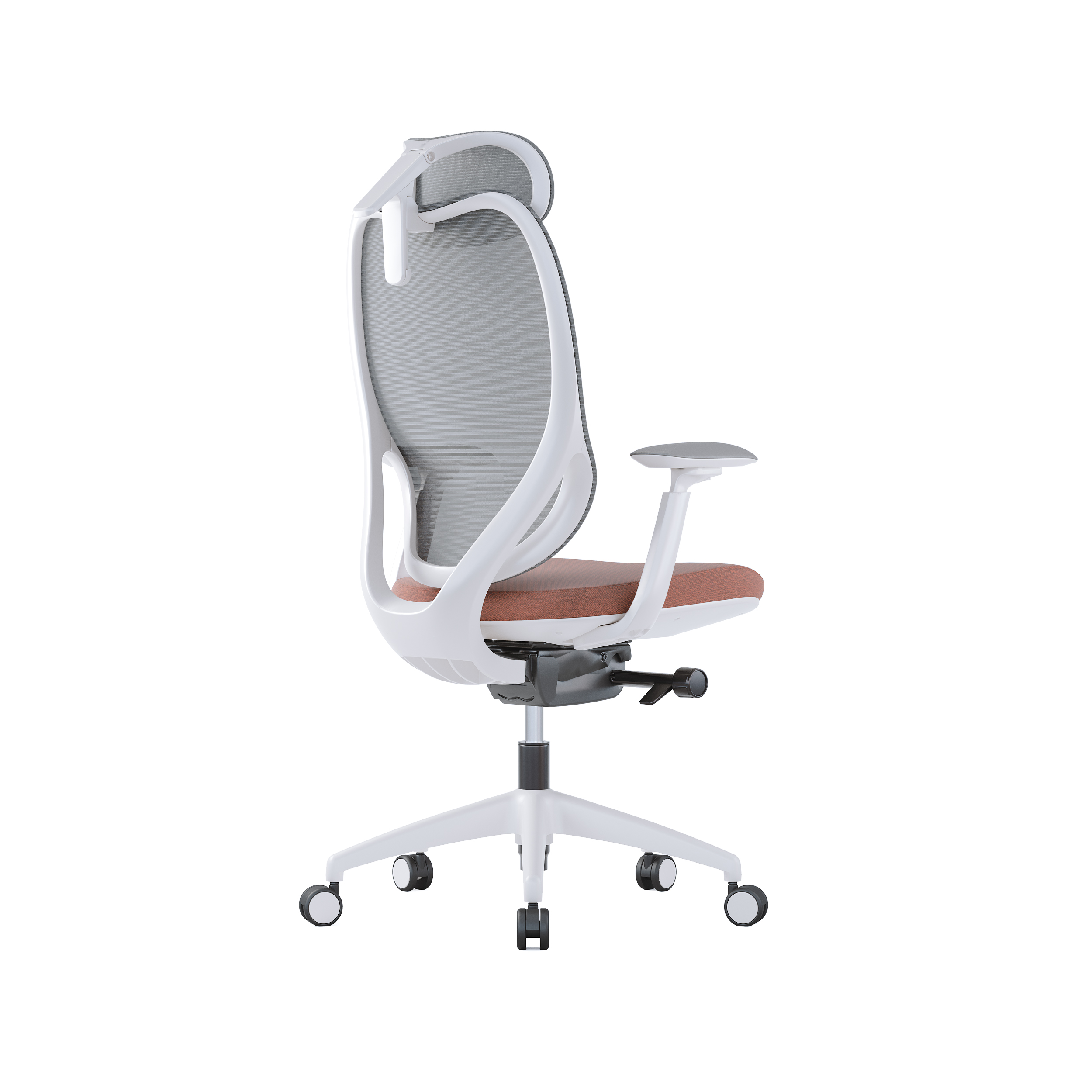
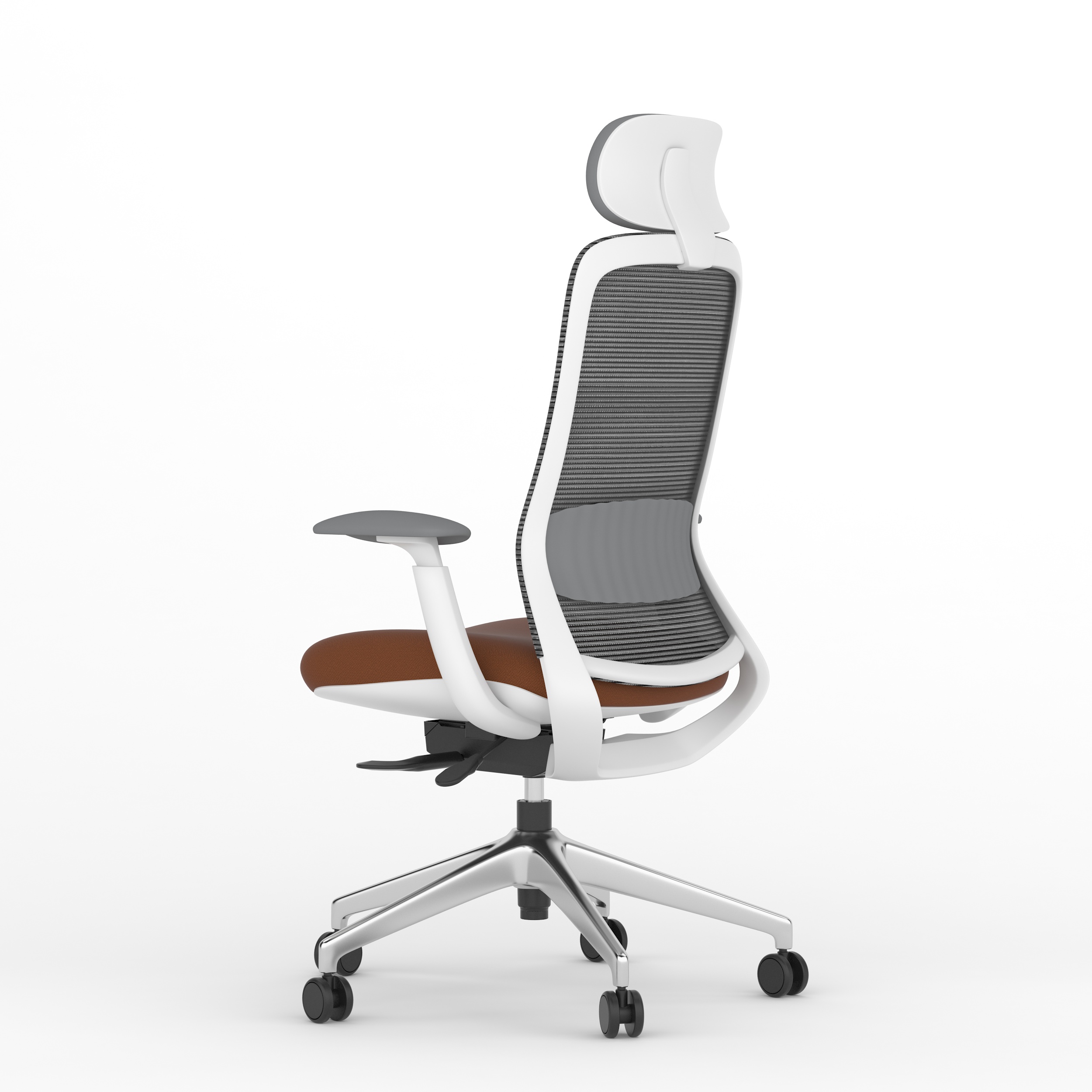
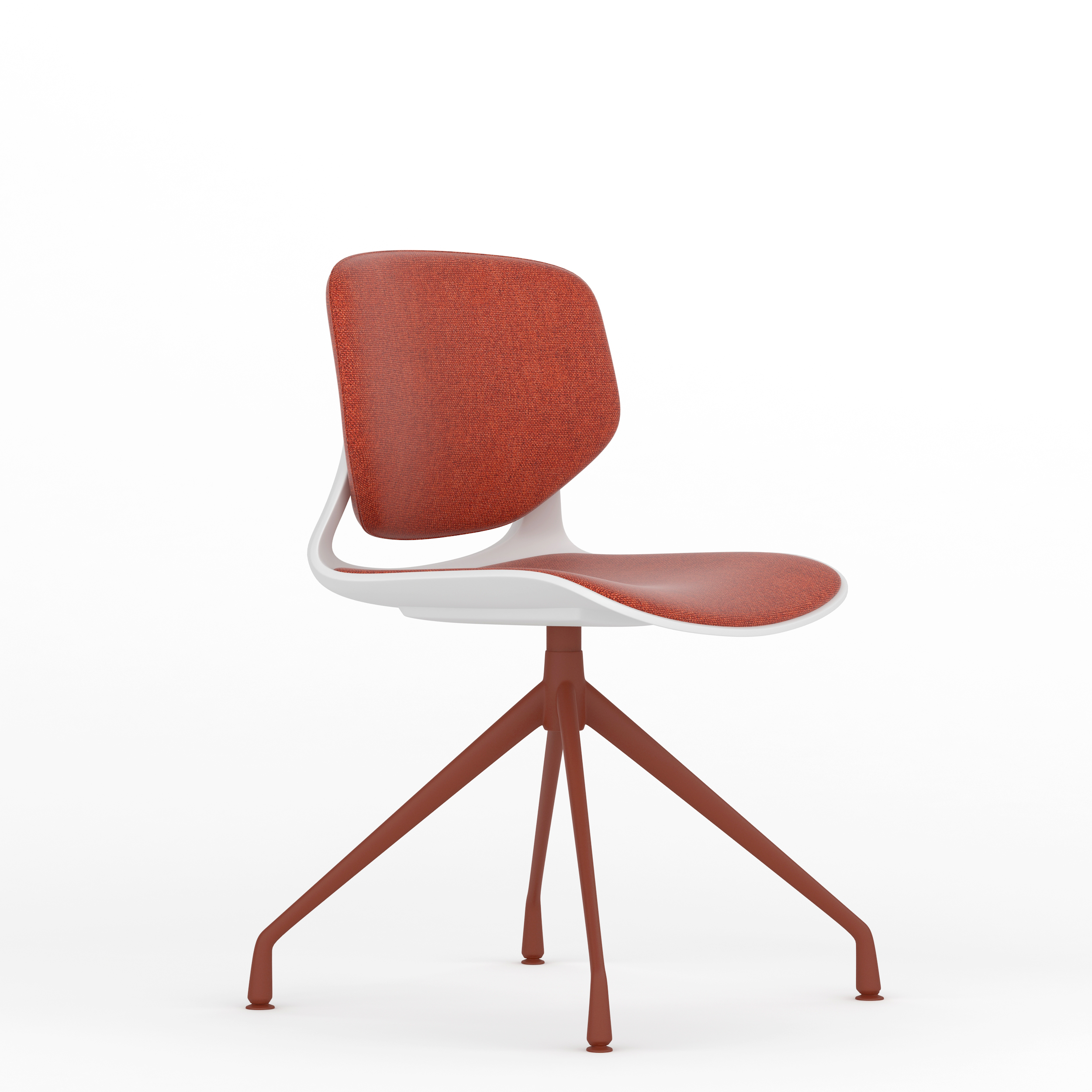
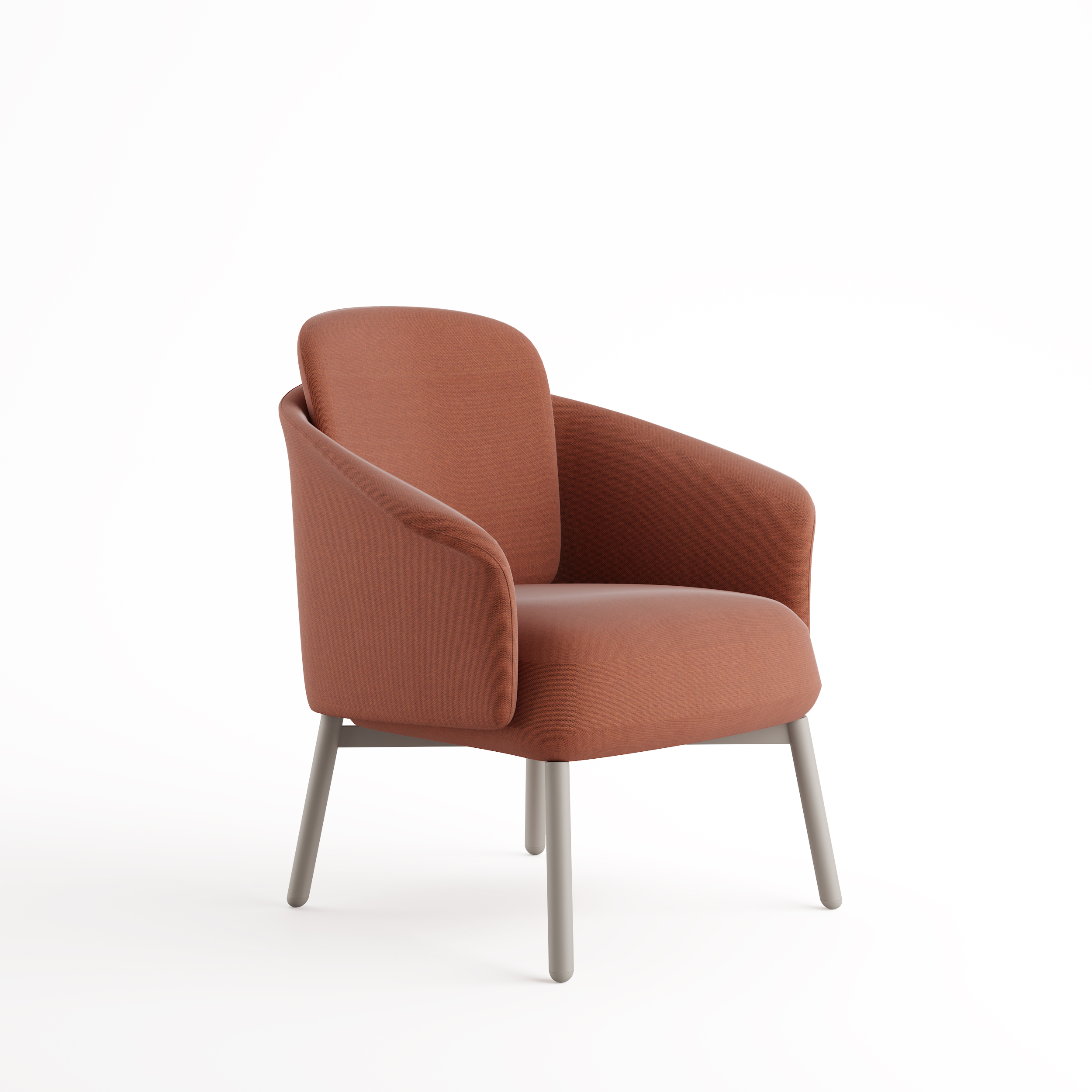
Understanding office chair weight capacity standards is essential for workplace safety, employee comfort, and organizational liability management. Every office chair manufactured comes with a specified weight capacity rating that reflects the maximum user weight it can safely support while maintaining structural integrity and ergonomic function. This capacity rating is not arbitrary; it results from rigorous engineering calculations and industry testing protocols that ensure the office chair can withstand daily use without premature failure. Many organizations overlook weight capacity specifications during purchasing decisions, focusing instead on aesthetics or price, which can lead to damaged furniture, workplace injuries, and unexpected replacement costs.

The development of office chair weight capacity standards emerged from decades of ergonomic research and workplace safety regulations aimed at protecting employees across diverse industries. Modern office chair designs incorporate multiple structural elements—including the base, cylinder, backrest, and seat frame—each engineered to support specific load ranges. Understanding these standards helps facilities managers, office administrators, and employees select appropriate seating solutions that align with their physical requirements and workplace environments. This guide explores the key standards governing office chair capacity ratings, explains how manufacturers determine these limits, and provides practical guidance for selecting an office chair that meets your specific organizational and personal needs.
The Business and Institutional Furniture Manufacturers' Association (BIFMA) establishes the most widely recognized standards for office chair performance and safety in North America. BIFMA International Standard X5.1 specifically addresses performance requirements for office seating, including detailed testing protocols for weight capacity verification. Every office chair sold in professional markets typically undergoes BIFMA-compliant testing to confirm its stated weight capacity. These standards define how an office chair must perform under static and dynamic loading conditions, ensuring that the office chair maintains functionality and safety margins well beyond rated capacity limits. Manufacturers test office chair components individually and as assembled units to identify stress points and failure modes, then engineer appropriate safety factors into their designs.
Beyond BIFMA, international standards such as ISO 9241-1 and EN 1335 provide additional office chair safety frameworks recognized globally. European offices often reference EN 1335 standards for office chair specifications, which include detailed protocols for capacity testing and safety verification. An office chair meeting multiple standards demonstrates comprehensive engineering rigor and suitability for diverse workplace environments. These international standards ensure that an office chair purchased in one region meets comparable safety and performance criteria as office chair models from other markets. Organizations operating across multiple countries benefit from this standardization, as they can confidently select office chair solutions knowing the capacity ratings carry consistent meaning and validation across borders.
Manufacturers establish office chair weight capacity through engineering analysis of structural materials, component stress distribution, and material fatigue characteristics. The base design of an office chair, including the number of castors and material composition, significantly influences total weight capacity. Cylinder strength—the pneumatic component supporting the seat height adjustment—represents a critical capacity limitation for many office chair models. The backrest material and frame construction determine how much load an office chair can distribute across the rear support structure. Engineers use finite element analysis (FEA) and physical testing to validate that an office chair can safely support the rated weight without experiencing permanent deformation or component failure over its intended service life.
Industry standards require that office chair manufacturers incorporate substantial safety factors—typically 1.5 to 2.0 times the rated capacity—to account for dynamic loading and unexpected stresses. This means an office chair rated at 250 pounds has actually been tested to safely support 375 to 500 pounds under controlled conditions. An office chair undergoes repetitive seating and movement cycles during testing, simulating years of typical office use in accelerated timeframes. Shock loading tests, whereby weight drops suddenly onto an office chair seat, verify the structure can absorb impact forces without damage. These rigorous testing protocols ensure that an office chair remains safe even when users slightly exceed the rated capacity or when the office chair experiences unusual stress patterns during regular workplace use.
Selecting appropriate office chair models requires understanding the physical characteristics of your workforce. An office chair with 250-pound capacity suits diverse professional environments, while specialized roles such as heavy manufacturing support or workshop settings may require an office chair rated for 300, 350, or even 500+ pounds. Progressive organizations assess employee body weights and establish office chair purchasing policies that ensure every employee has access to properly-rated seating. An office chair selection process should document the capacity range required, specify appropriate models, and establish procurement standards that prevent accidental purchase of undersized office chair units. This proactive approach eliminates mismatches between employee needs and office chair specifications, reducing furniture damage and supporting inclusive workplace policies.
Purchasing an office chair with appropriate weight capacity delivers substantial cost advantages beyond the initial purchase price. An office chair rated below a user's weight typically fails prematurely, requiring replacement within 1-3 years rather than the standard 5-7 year service life. Proper office chair selection reduces maintenance incidents, warranty claims, and emergency replacement expenses that disrupt normal operations. An office chair that matches user needs contributes to consistent comfort and ergonomic support, improving employee satisfaction and reducing complaints about seating quality. Organizations that prioritize office chair capacity alignment during purchasing decisions experience lower lifetime furniture costs, improved employee retention, and reduced workplace safety incidents related to equipment failure.
Exceeding an office chair weight limit causes accelerated wear on structural components, particularly the pneumatic cylinder and base castors. An office chair used beyond its rated capacity may experience sudden failure during use, potentially causing injury. The office chair's foam seat compresses permanently, hydraulic systems weaken, and structural supports develop stress fractures when repeatedly overloaded. Organizations remain liable for injuries resulting from knowingly providing an office chair with insufficient capacity, making proper matching essential for risk management and workplace safety compliance.
Most office chair manufacturers include weight capacity specifications on labels located beneath the seat or on product documentation. Check the office chair's underside for a sticker displaying the model number, manufacturing date, and specifications including maximum weight capacity. Manufacturer websites typically provide detailed specification sheets for office chair models, searchable by model number. If your office chair lacks clear capacity markings, contact the manufacturer directly with the model information, and they can confirm the office chair specifications. Purchasing records from your original office chair supplier may also contain capacity details if physical labels have worn away.
While higher-capacity office chair models offer additional safety margins, they often feature heavier construction, reduced adjustability, and higher costs. An office chair specified for 500+ pounds may feel overly rigid for lighter users and increase furniture replacement budgets unnecessarily. The optimal approach involves selecting an office chair with capacity approximately 10-15 percent above anticipated user weights, providing modest safety margins without excessive overengineering. An office chair appropriately matched to workforce demographics delivers better ergonomic performance, cost efficiency, and overall satisfaction than an office chair rated excessively high for actual usage patterns.
 Hot News
2026-09-26
2026-09-22
2026-09-15
2026-09-08
2026-09-01
2026-08-24

 EN
EN