The longevity of an office chair depends far more on material selection than most purchasing managers realize. When organizations invest in an office chair, they typically focus on initial cost and immediate comfort, overlooking how the underlying materials will perform over months and years of daily use. Material choices directly determine whether your office chair lasts two years or ten years, and selecting the right materials is one of the most cost-effective decisions you can make for your workspace.
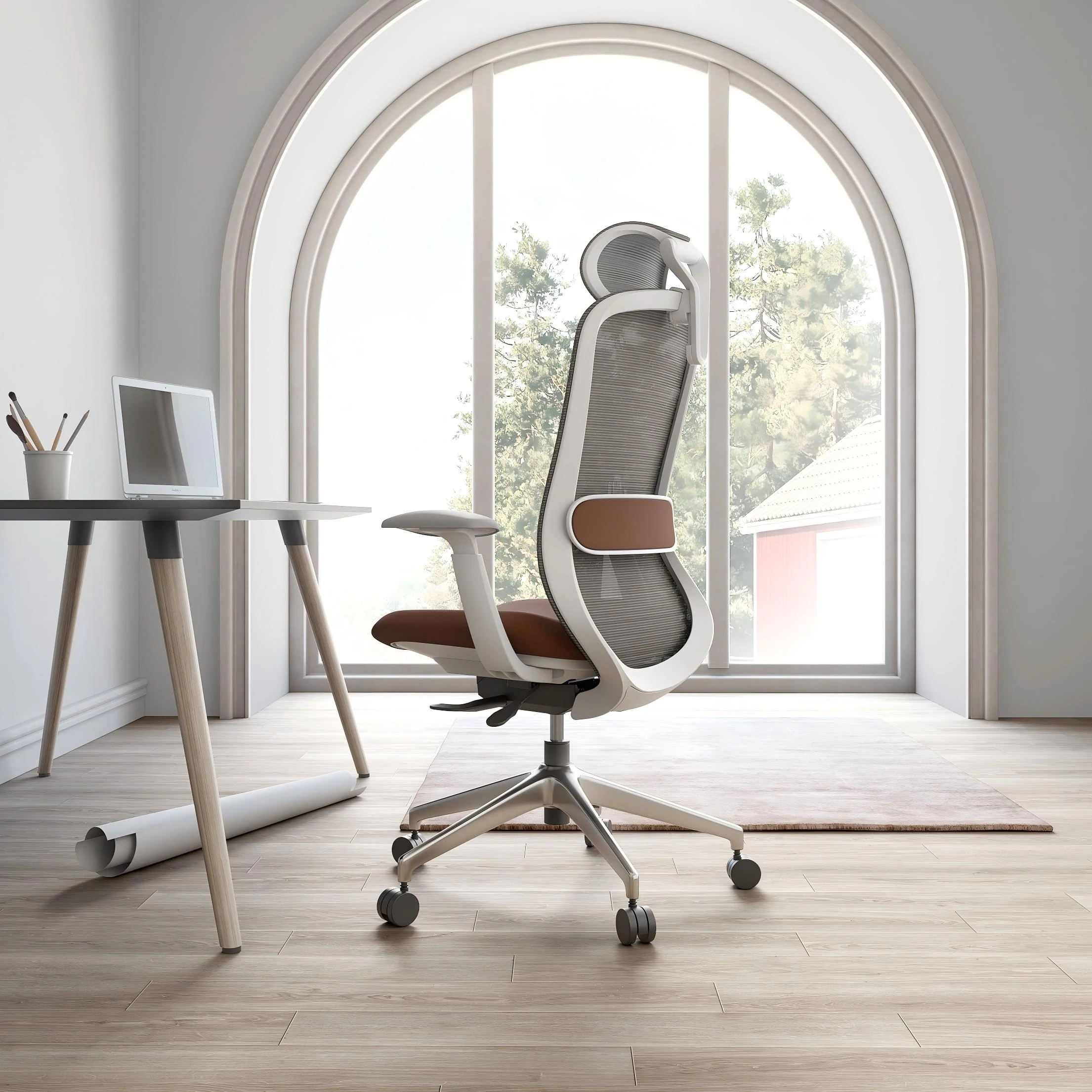
An office chair's lifespan is shaped by the resilience of its frame, the durability of its upholstery, the quality of its base components, and how these elements interact under consistent workplace stress. A high-quality office chair built from premium materials can withstand thousands of hours of sitting, rolling, and adjustment, while a poorly constructed office chair may develop structural problems within the first year. Understanding the material science behind office chair construction empowers you to make informed purchasing decisions that protect your investment and support worker comfort long-term.
The frame of an office chair provides the structural foundation that determines how the seat responds to weight distribution and movement. Steel frames, particularly those using reinforced welded constructions, represent the industry standard for durable office chair manufacturing. High-grade steel resists bending, maintains dimensional stability, and distributes user weight evenly across support points, preventing the gradual sagging and wobbling that undermines comfort in lower-quality designs. An office chair with a steel frame typically demonstrates superior longevity because steel's tensile strength means it can withstand repeated stress cycles without permanent deformation.
Aluminum frames offer a lighter alternative with comparable durability, and some manufacturers combine aluminum with steel reinforcement to balance weight and strength. The thickness of the metal used in an office chair frame directly correlates with its load-bearing capacity and lifespan. Thinner gauge metals may reduce manufacturing costs, but they compromise the office chair's ability to maintain structural integrity under sustained daily use. Premium office chair designs specify minimum metal thicknesses and welding standards that ensure frames remain rigid and stable throughout their operational life.
Modern office chair engineering increasingly incorporates high-performance polymers and composites for specific structural components, particularly in armrest assemblies, tilt mechanisms, and base support structures. Reinforced nylon and polycarbonate materials used in an office chair's mechanical systems resist cracking, fatigue, and degradation from repeated articulation. These engineered polymers outperform lower-grade plastics because they maintain dimensional consistency and mechanical properties even after thousands of movement cycles. An office chair built with quality composite materials in stress-bearing components demonstrates significantly longer functional life than designs relying on brittle or flexible plastics that deteriorate quickly under workplace demands.
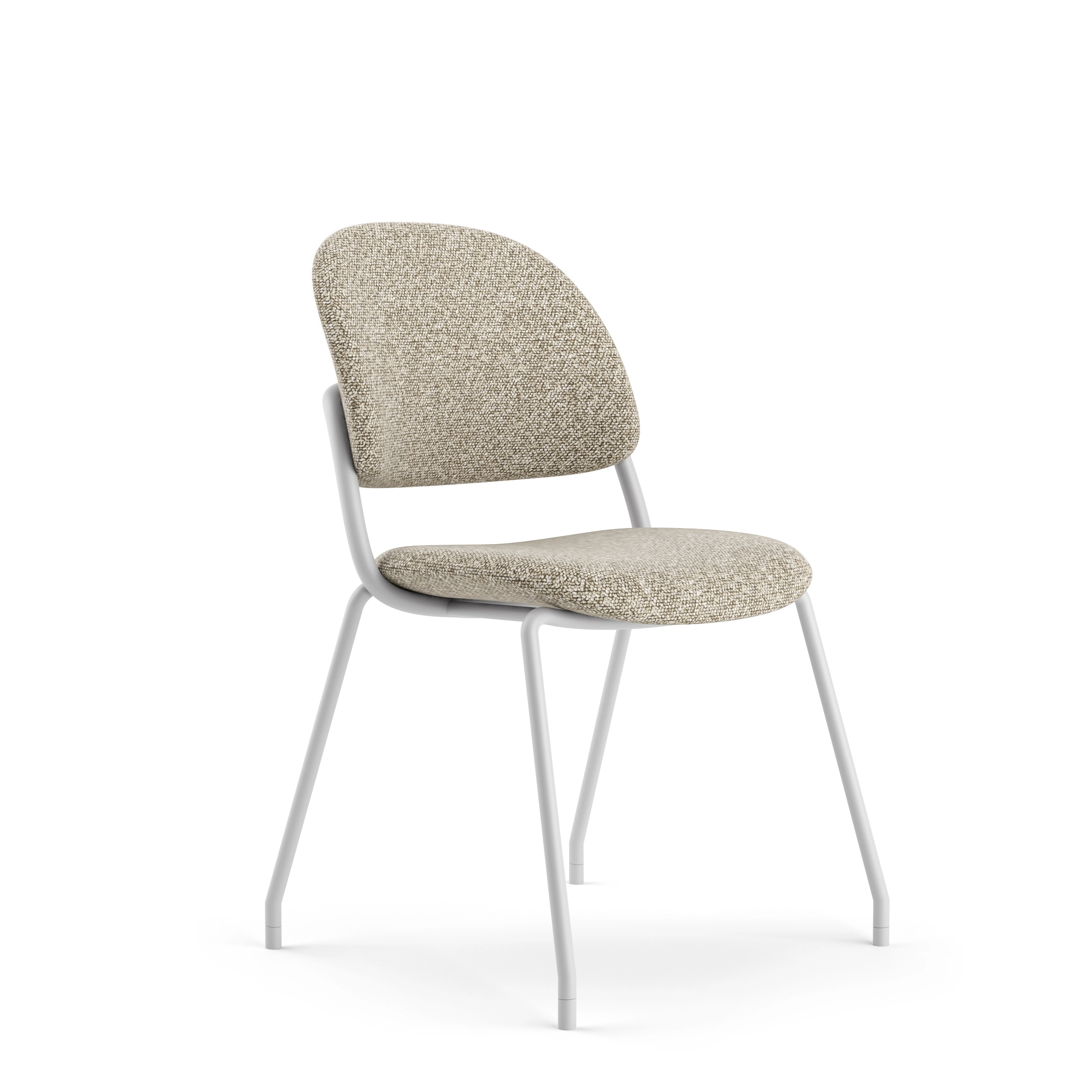
Upholstery material selection represents one of the most visible factors affecting an office chair's longevity and aesthetic condition over time. High-performance fabric for an office chair typically incorporates polyester blends, solution-dyed materials, or specialized commercial-grade textiles engineered to resist pilling, fading, and general wear. An office chair upholstered in premium commercial fabrics with tight weaves and dense fiber construction resists surface matting and color loss that characterize lower-quality materials. Solution-dyed fabrics used in an office chair resist color transfer and maintain vibrancy because pigments are integrated into fibers rather than applied as surface treatments.
The durability rating, often expressed as double-rub count or Martindale cycles, indicates how many times fabric on an office chair can withstand abrasion before visible wear appears. Commercial-grade office chair fabrics typically demonstrate 100,000 to 200,000 cycles of durability, while premium specifications exceed 300,000 cycles. An office chair with higher durability ratings will maintain its appearance and tactile quality through years of continuous workplace use, while lower-rated materials show visible wear within months of daily sitting. Selecting an office chair upholstery based on durability specifications rather than aesthetic preference alone ensures the seating investment maintains both functionality and professional appearance throughout its operational lifespan.
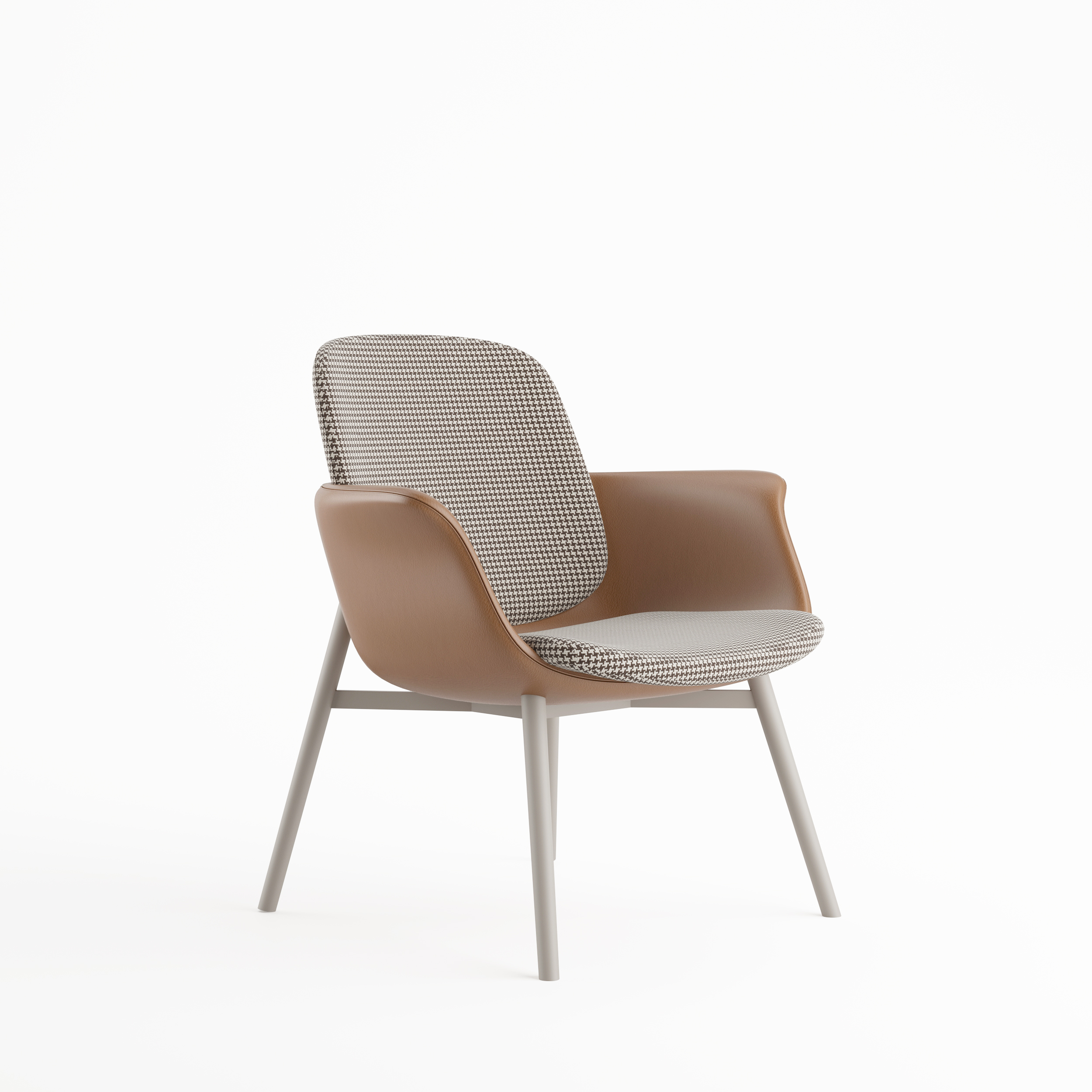
Genuine leather upholstery offers aesthetic appeal and natural breathability, but its longevity depends critically on leather grade and maintenance. Premium grades used in an office chair provide superior durability, developing character through use while resisting cracking when properly maintained. Lower-grade or corrected-grain leather used in budget office chair designs deteriorates more rapidly, showing wear patterns and surface damage that compromise appearance and comfort. Synthetic leather alternatives have advanced significantly, and high-quality PU or microfiber materials used in an office chair often outperform genuine leather in durability while eliminating maintenance requirements.
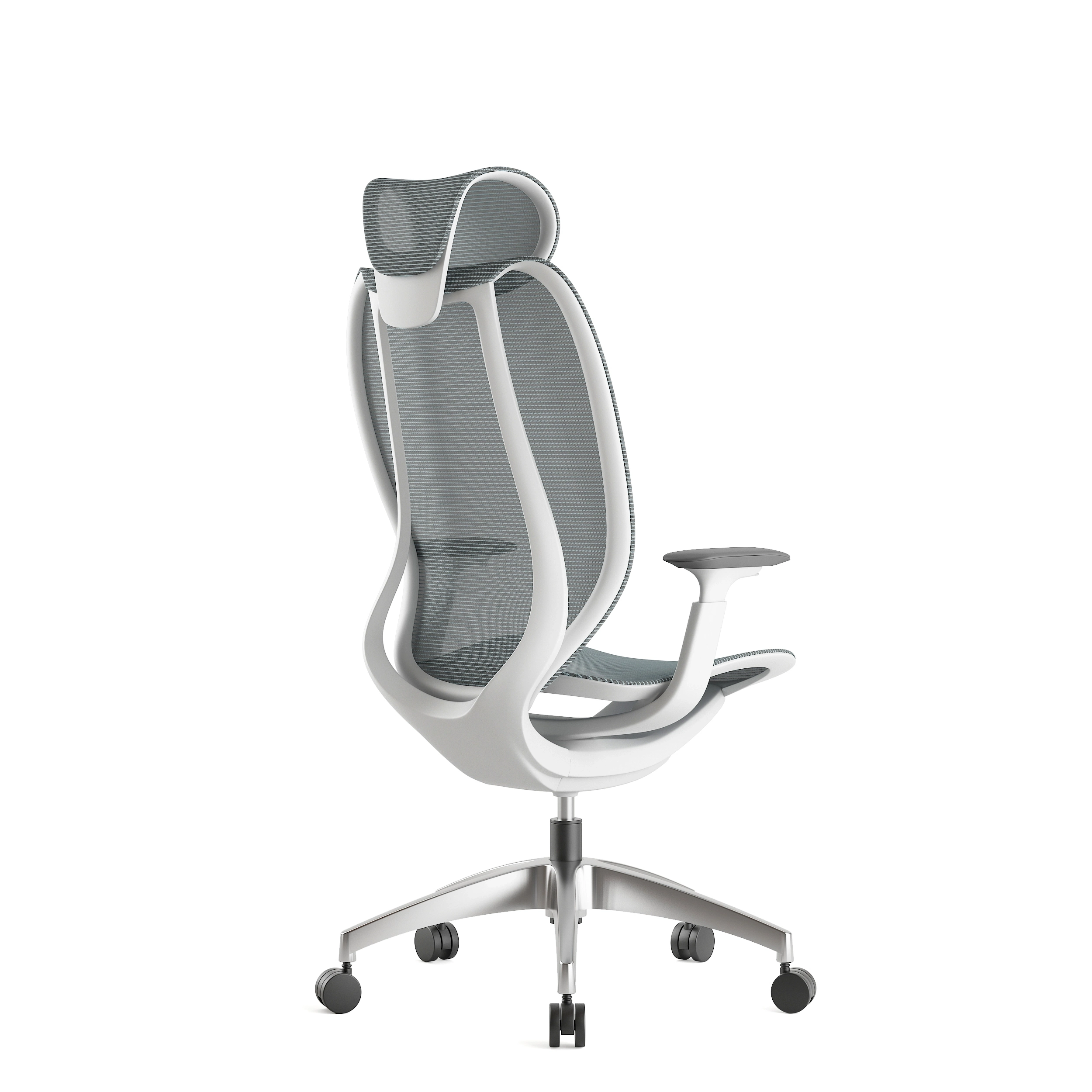
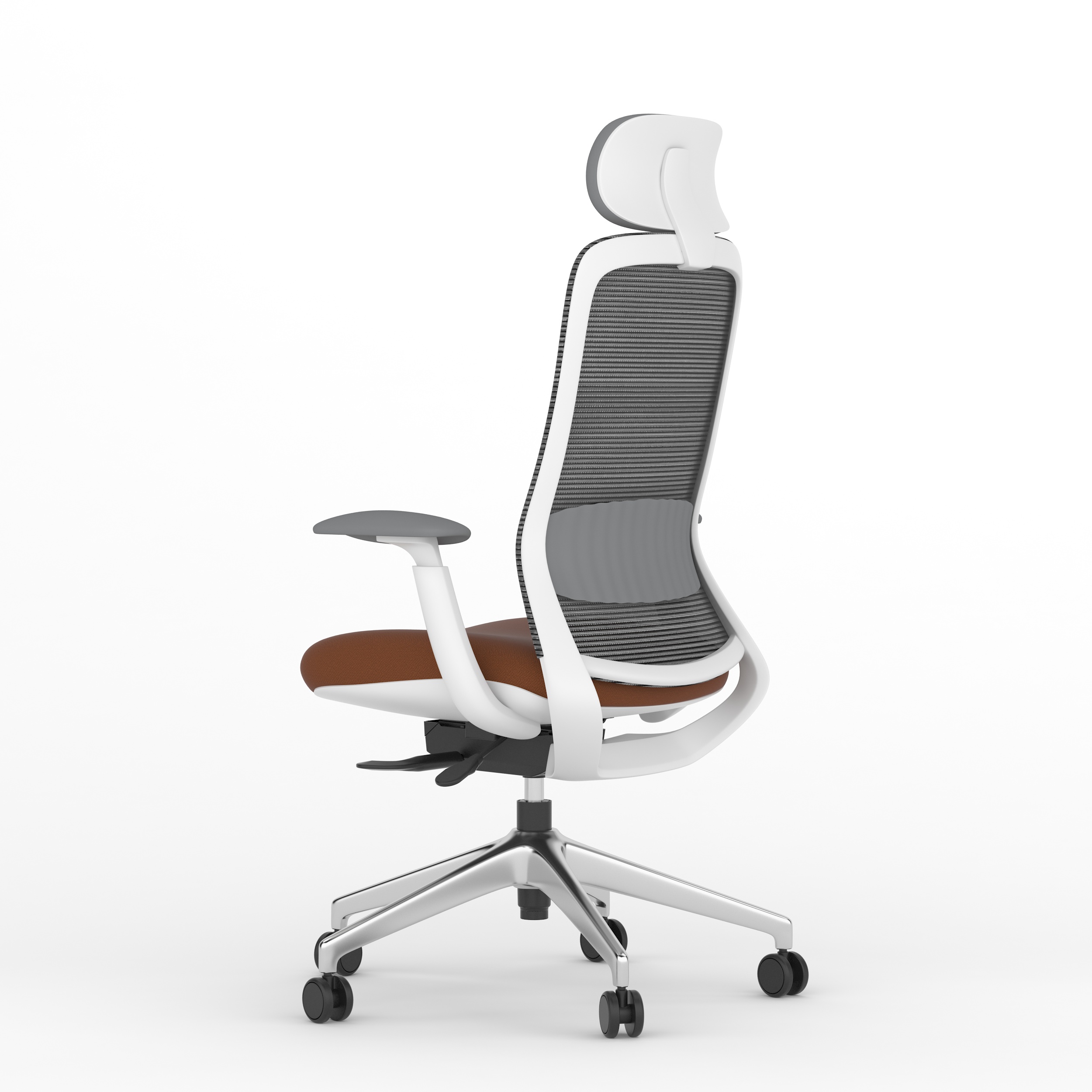
Mesh materials increasingly popular in modern office chair designs offer excellent breathability and can demonstrate strong durability when constructed from quality synthetic fibers. Breathable mesh on an office chair reduces heat buildup and moisture accumulation, preventing the cushion degradation that accelerates in poorly ventilated designs. The mesh material's ability to maintain its form and tensile properties determines how long an office chair maintains support and comfort. Commercial-grade mesh specifications ensure an office chair resists sagging and permanent deformation even in warm or humid office environments.
Cushioning quality fundamentally affects how long an office chair remains comfortable and supportive through its operational life. High-density foam, typically 2.2 to 2.5 pounds per cubic foot or higher, used in an office chair maintains its shape and support properties even after years of compression. Low-density foam in budget office chair designs compresses permanently, resulting in seat bottoming where users feel frame contact within months of regular use. An office chair built with appropriate foam density ensures cushioning resilience and comfort consistency from day one through years of continuous use.
Memory foam and specialized support foams used in premium office chair designs provide initial compliance that conforms to individual body shapes while resisting permanent deformation. These advanced cushioning technologies in an office chair distribute pressure more effectively, reducing fatigue and extending the usable lifespan of the seating. The chemical composition of foam used in an office chair also affects longevity; polyurethane formulations engineered for commercial environments resist breakdown from moisture, heat, and UV exposure better than standard commodity foams.
The casters and base assembly represent often-overlooked components that significantly impact an office chair's practical lifespan. Premium casters constructed from high-quality polymers and precision-engineered ball bearings used in an office chair resist flat-spotting and maintain smooth rolling even after thousands of miles of movement across office flooring. An office chair base material's hardness and composition determine whether casters leave marks on floor surfaces or gradually flatten and become difficult to move. Reinforced nylon casters used in quality office chair designs resist cracking and maintain their rounded profile through extended use, while brittle or soft materials degrade rapidly.
The connection between the base and seat platform in an office chair design determines whether the entire assembly remains stable or develops wobbling that indicates structural compromise. Reinforced connection points, proper fastener specifications, and base material selection collectively ensure an office chair maintains stability throughout its operational life. Materials that resist corrosion and maintain mechanical properties under repeated tilt and swivel stress distinguish durable office chair bases from designs that deteriorate quickly under workplace demands.
Premium material selection in an office chair involves higher initial purchase price but delivers substantially lower cost per year of use when lifespan is considered. An office chair lasting eight years costs less annually than replacing budget models every two years, even when accounting for the initial investment difference. Material quality directly influences replacement frequency, storage costs, disposal expenses, and the time investment required to procure and deploy new seating, all factors that drive total cost of ownership beyond the sticker price.
Proper maintenance can extend an office chair's functional life, but material quality establishes the maximum potential lifespan regardless of care practices. An office chair constructed with low-quality components will fail within predictable timeframes despite excellent maintenance, while premium materials provide the durability foundation that maintenance can further optimize. Regular cleaning, fastener inspection, and lubrication practices extend an office chair's lifespan most effectively when applied to seating built with durable materials designed for commercial longevity.
High-traffic environments demand an office chair with reinforced steel frames, commercial-grade upholstery rated above 100,000 Martindale cycles, high-density foam cushioning, and premium caster assemblies. An office chair specification should emphasize material durability ratings over aesthetic features when workplaces experience intense daily use with multiple users or extended sitting hours. Choosing an office chair with materials engineered specifically for commercial environments rather than general office settings ensures the seating investment withstands demanding workplace conditions throughout its intended lifespan while maintaining comfort and professional appearance.
 Hot News
2026-09-26
2026-09-22
2026-09-15
2026-09-08
2026-09-01
2026-08-24

 EN
EN