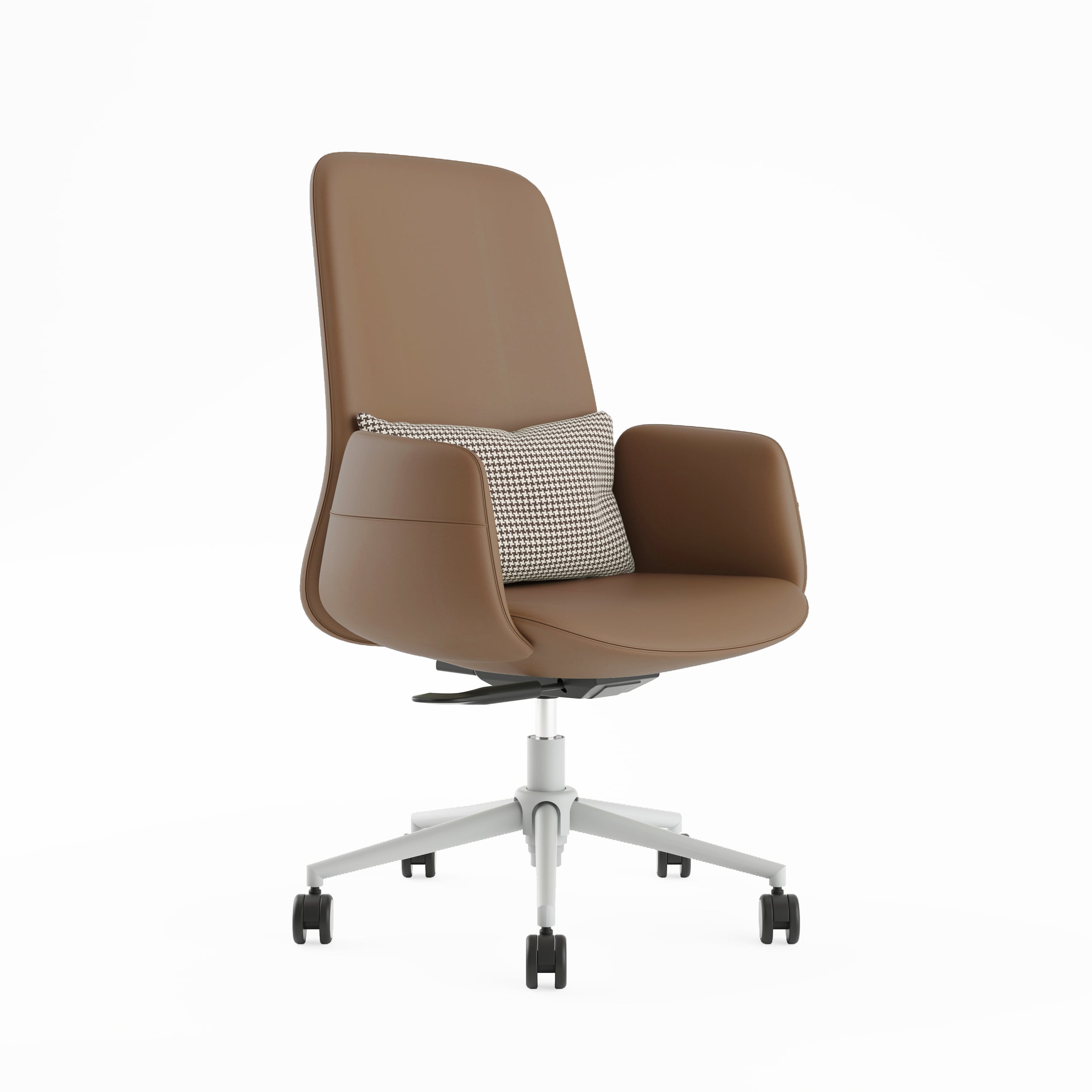
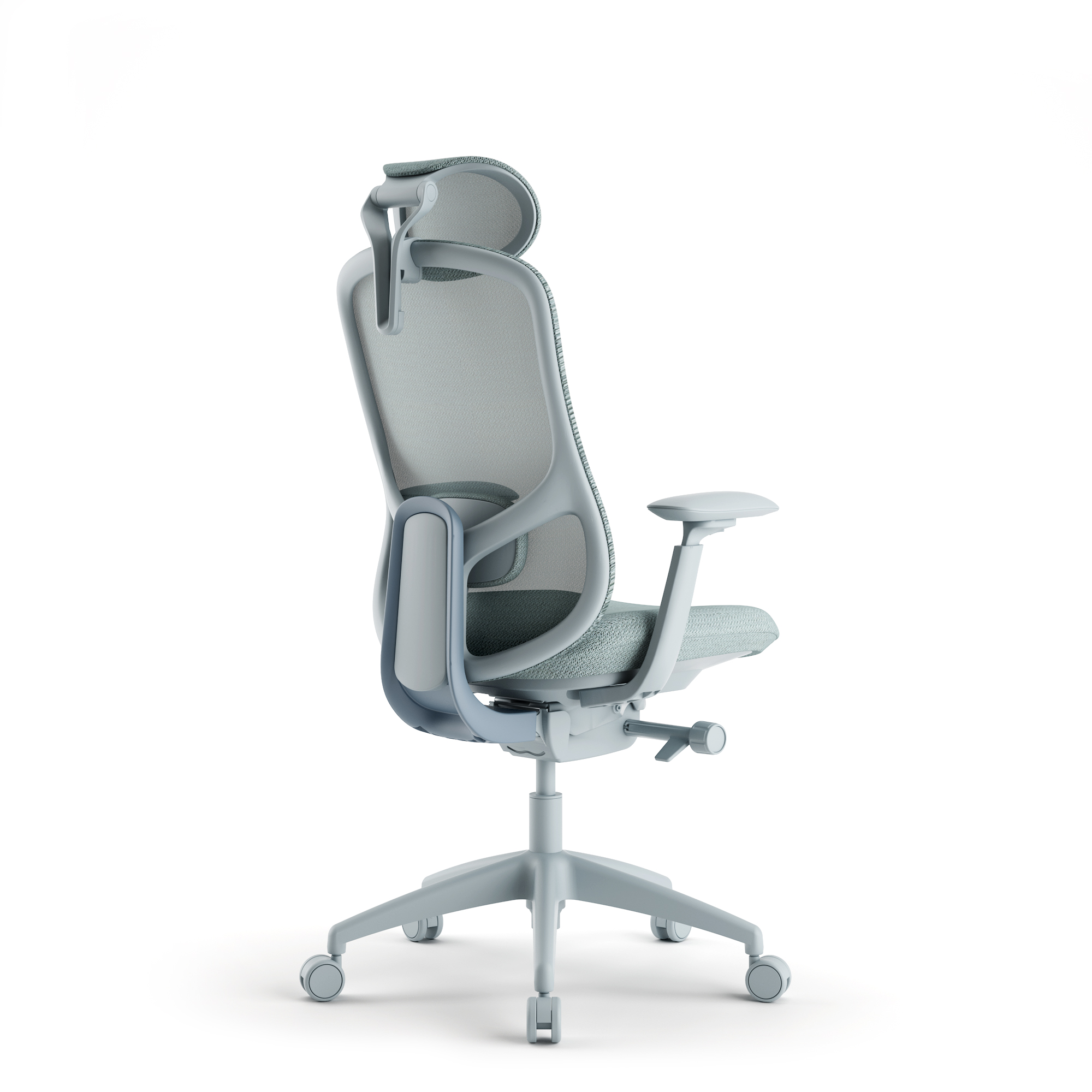
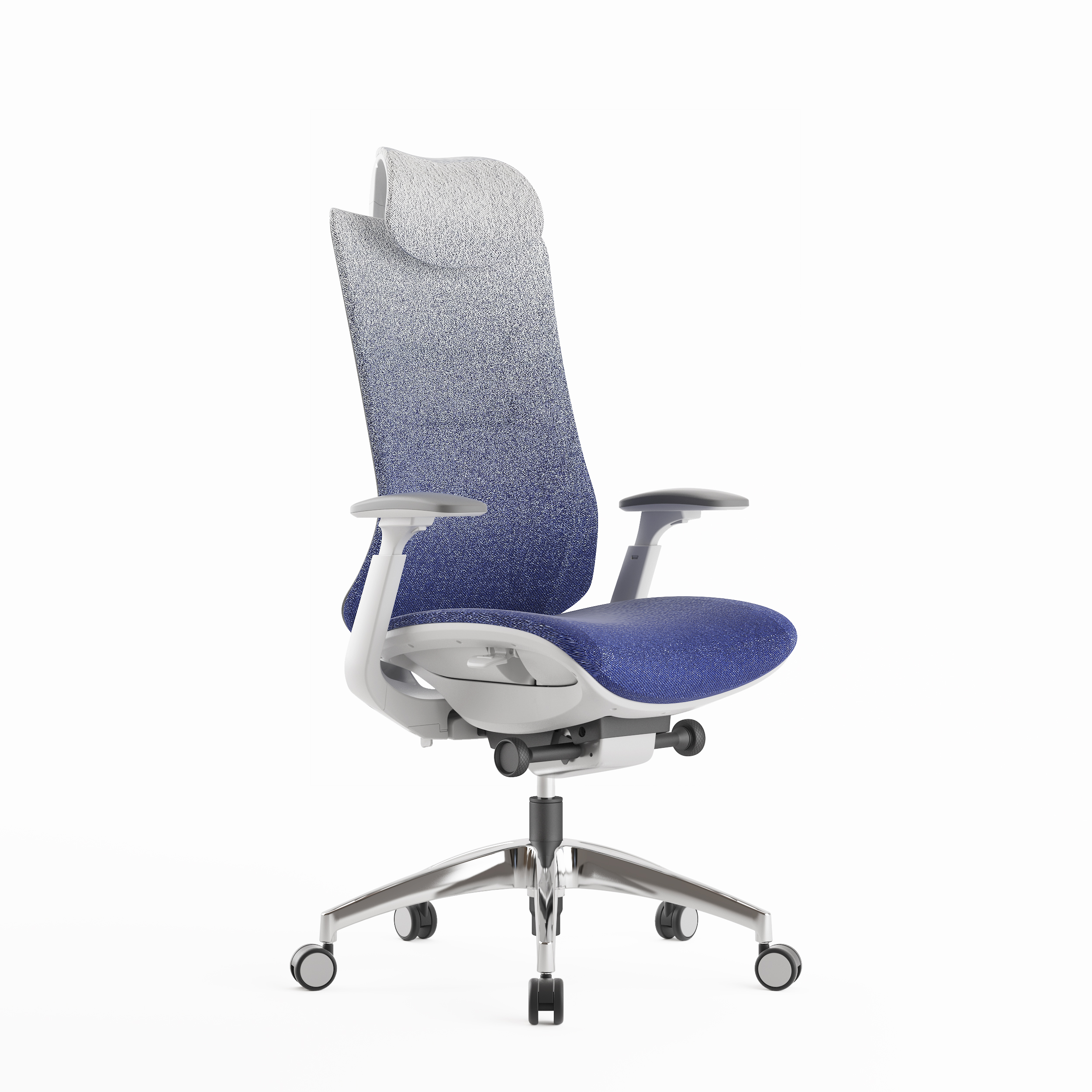
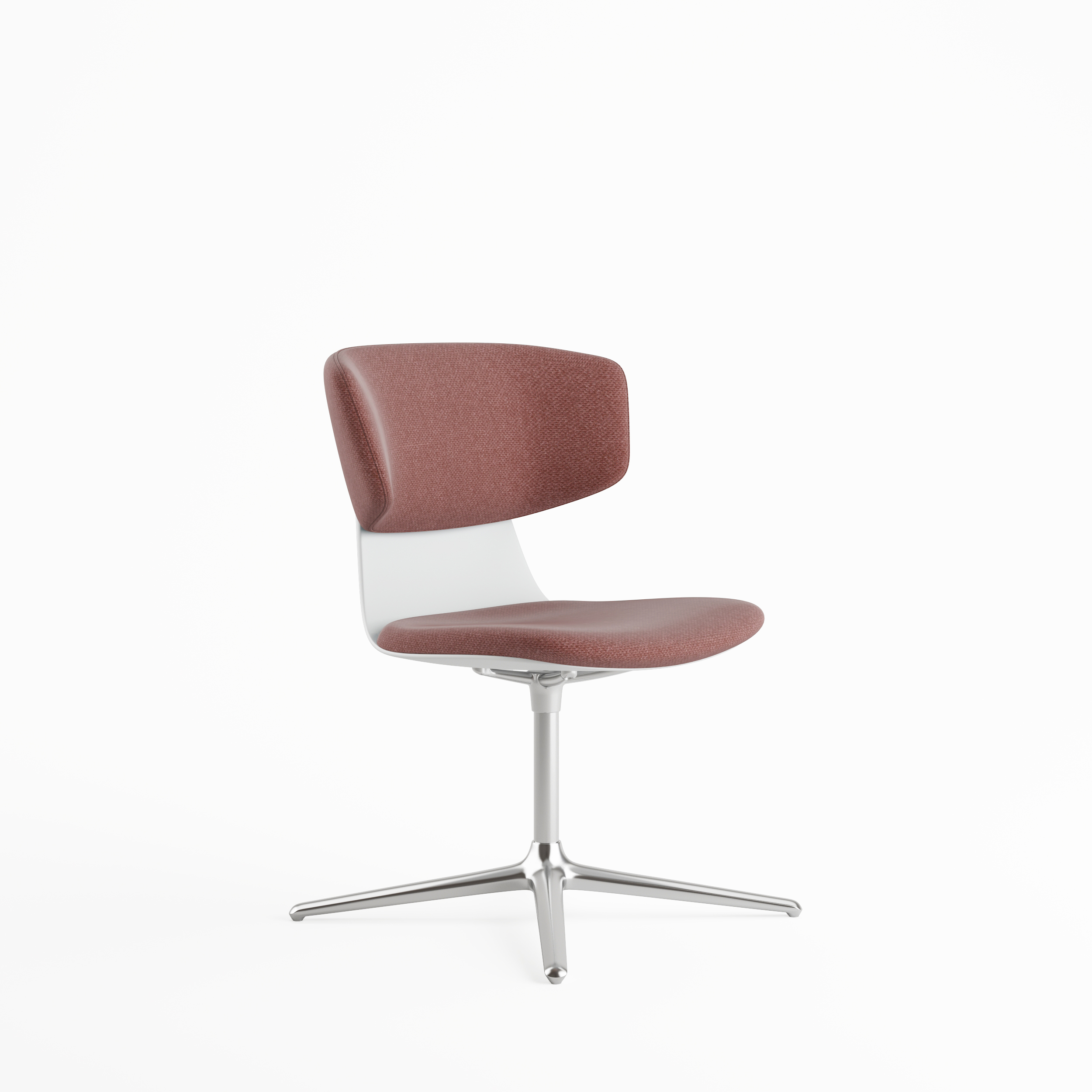
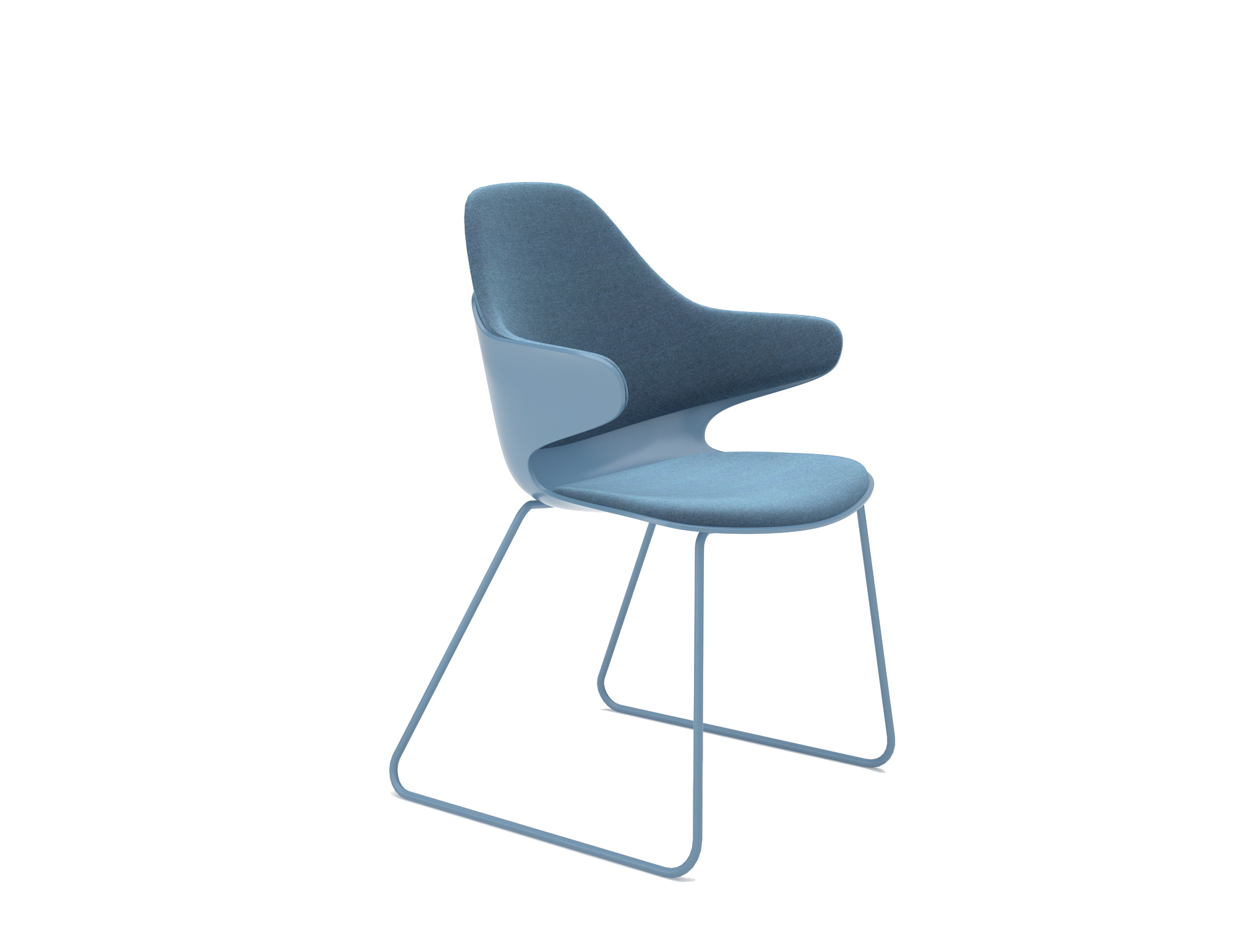
Selecting an office chair for your commercial workspace requires more than aesthetic appeal or comfort preference. Every office chair deployed in professional environments must comply with international standards designed to protect employee health, ensure durability, and guarantee safety. These standards represent decades of ergonomic research, workplace injury data, and manufacturing best practices across multiple continents. Understanding which standards apply to your office chair helps organizations make compliant purchasing decisions, reduce liability, and create genuinely safe workspaces for their teams.
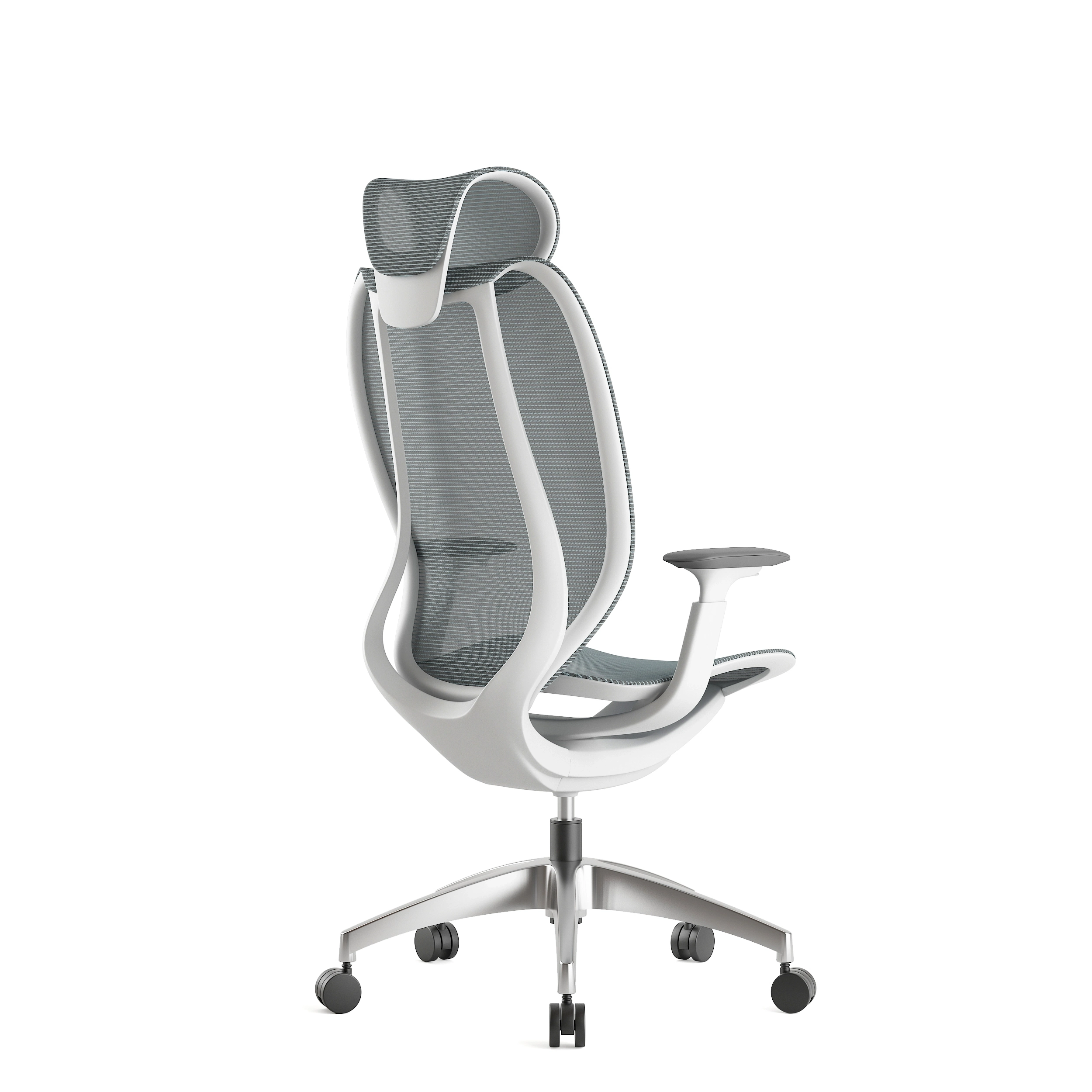
Commercial organizations operating across multiple jurisdictions face a complex landscape of regulatory requirements. The office chair you purchase for your London headquarters may need different certifications than one installed in your Toronto branch office. Similarly, an office chair intended for a European Union member state must meet distinct standards compared to products sold in North America or Asia-Pacific regions. This fragmented compliance environment makes it essential for procurement professionals and facilities managers to understand the primary international standards that govern office chair safety, ergonomics, and performance across global markets.
The International Organization for Standardization has established ISO 11228 as the foundational ergonomic standard for office chair design and performance. This standard specifies how an office chair should accommodate human dimensions, support proper spinal alignment, and facilitate healthy working postures throughout extended periods of sedentary work. An office chair compliant with ISO 11228 includes adjustable seat height, lumbar support mechanisms, and armrest positioning that allows users to customize their seating experience. The standard mandates that an office chair undergoes rigorous testing to confirm that its mechanisms operate smoothly, its structural components withstand typical workplace use, and its materials do not degrade prematurely under normal conditions.
Manufacturers developing an office chair for commercial distribution must test how their design accommodates users across different body types, heights, and weights. The ISO standard for an office chair specifies anthropometric ranges that the seating design must support, ensuring an office chair functions effectively for the broadest possible population segment. Testing protocols include repeated pressure cycling on seat cushions, arm and back mechanisms, and base wheels to simulate months of real-world usage. An office chair that passes ISO 11228 testing demonstrates that critical failure points have been identified and reinforced during the design phase, reducing unexpected breakdowns and liability exposure in active commercial environments.
European member states enforce EN 1335 as their primary standard for office chair safety and performance characteristics. This European standard establishes specific requirements that an office chair must satisfy before it can be legally sold within the European Union market. EN 1335 requirements for an office chair include detailed specifications for seat dimensions, backrest geometry, stability testing under extreme load conditions, and chemical safety for materials that contact human skin. An office chair certified to EN 1335 must demonstrate that its five-wheeled base provides adequate stability, that armrests do not create pinch hazards, and that all materials meet toxicity and flammability restrictions established by European regulators.
The EN 1335 framework also addresses an office chair's adjustment mechanisms and locking features. An office chair design must include controls that an average user can operate intuitively without excessive force, and all moving parts must incorporate safety stops that prevent over-extension or over-compression. Testing for an office chair under EN 1335 includes subjecting mechanisms to 50,000 repeated cycles to verify they do not fail or become unstable. Organizations sourcing an office chair for European operations must confirm EN 1335 certification through product documentation or third-party testing certificates to ensure legal compliance and workplace safety standards adherence.
The Business and Institutional Furniture Manufacturers' Association established BIFMA standards as the voluntary but widely adopted specification framework for an office chair in North America. Although BIFMA standards remain technically voluntary, most major commercial furniture vendors design their office chair products to BIFMA specifications because corporate procurement departments, government agencies, and large institutions require BIFMA certification as a purchasing prerequisite. An office chair meeting BIFMA standards includes testing for structural integrity, durability under continuous use cycles, and ergonomic accommodation of user populations. BIFMA also establishes sustainability requirements for an office chair, including material recyclability, toxic substance restrictions, and manufacturing process standards that reduce environmental impact.
BIFMA's specific requirements for an office chair address both acute safety and long-term occupational health. An office chair must be tested to ensure it does not tip over under foreseeable user movements, that its base wheels do not leave permanent floor damage, and that cushioning materials maintain their supportive properties after extended use. BIFMA standards for an office chair also include a detailed classification system that helps specifiers match seating solutions to specific workplace environments. An office chair designated for light office tasks differs from one engineered for 24-hour call center environments or executive suites, and BIFMA classifications guide these distinctions with clear performance requirements.
Modern occupational health research has elevated lumbar support requirements across all major office chair standards. An office chair used in contemporary commercial environments must accommodate lumbar curvature variation across the user population, meaning the office chair design includes either adjustable lumbar support or a fixed contour that accommodates approximately 80 percent of typical user dimensions. Standards organizations recognize that inadequate lumbar support in an office chair directly correlates with increased incident rates of lower back discomfort, musculoskeletal disorders, and lost productivity. An office chair with compliant lumbar features reduces these occupational health risks and creates measurable improvements in employee wellbeing metrics across commercial organizations.
An office chair's postural support extends beyond lumbar considerations to include seat depth, backrest height, armrest design, and overall neutral positioning geometry. Standards specify that an office chair must allow the user's feet to rest flat on the floor or footrest when seated with the backrest properly supporting the thoracic and cervical spine. An office chair's armrest height must align with typical desk surface heights, preventing shoulder elevation and associated muscular tension. These requirements in an office chair standard represent evidence-based ergonomic principles that reduce cumulative strain injuries and support long-term workplace health outcomes for commercial organizations investing in compliant seating solutions.
Manufacturers seeking to market an office chair as compliant with international standards must engage third-party testing laboratories to verify performance claims. An office chair undergoes standardized testing protocols that replicate real-world conditions, including repeated stress cycles, load-bearing challenges, and mechanical durability assessments. These testing facilities apply consistent methodology across all office chair submissions, ensuring that certification claims reflect genuine compliance rather than manufacturer self-assessment. Organizations procuring an office chair should request certification documentation from recognized testing bodies such as TÜV, BSI, SGS, or similar accredited laboratories operating in their geographic region.
The certification documentation for an office chair typically includes detailed test reports showing how the seating design performed across multiple test scenarios. An office chair's stability testing simulates users of different weights shifting position dramatically, and results must demonstrate that the base does not tip, rock excessively, or experience structural failure. Durability testing applies 50,000 or more repeated mechanical cycles to mechanisms in an office chair to confirm they maintain functionality and safety margins after extended deployment. When you specify an office chair with complete third-party certification, you gain documented assurance that the product has genuinely met rigorous performance standards and reduces organizational liability exposure.
Commercial organizations should implement verification protocols when introducing any new office chair product into their workspace. An office chair supplier should provide certificates of compliance, test reports, material safety data sheets, and product specification documentation demonstrating adherence to applicable standards. An office chair's compliance documentation should clearly identify which standards the product meets—whether that includes ISO 11228, EN 1335, BIFMA, or other region-specific requirements. Procurement teams should verify that an office chair manufacturer provides these documents proactively rather than requiring organizations to demand them after purchase.
Regular audits of installed office chair products help organizations maintain ongoing compliance and identify potential issues before they escalate into safety or health concerns. An office chair in active commercial use should be periodically inspected for mechanical wear, uphostery degradation, or stability changes that might indicate maintenance needs. Organizations implementing systematic office chair maintenance and inspection protocols create safer workspaces, extend product lifespan, and demonstrate due diligence in occupational health management. Compliance documentation for an office chair, combined with ongoing maintenance oversight, creates a comprehensive approach to commercial workplace safety that protects both employees and organizational interests.
The EN 1335 standard is mandatory for an office chair sold in European Union markets. This standard specifies safety requirements, stability testing, ergonomic dimensions, and material safety for an office chair. Additionally, many European organizations reference ISO 11228 for comprehensive ergonomic guidance when specifying an office chair. Organizations in Europe should confirm that any office chair carries both EN 1335 certification and meets EN 1021 flame retardancy requirements, ensuring complete regulatory compliance across all safety dimensions.
While both standards address ergonomic and safety aspects, BIFMA certification focuses primarily on durability, sustainability, and classification for different workplace environments, making an office chair selection process more practical for North American procurement. ISO 11228 provides more detailed ergonomic specifications and anthropometric accommodation guidance, making an office chair compliant with ISO standards particularly strong in supporting diverse user populations. Many commercial office chair manufacturers design products that meet both standards simultaneously, allowing an office chair to qualify for global distribution and appeal to international organizations with multi-regional operations.
When selecting an office chair for commercial use, request certification documentation from your supplier confirming which standards the office chair meets. Verify that the office chair includes adjustable lumbar support, has undergone third-party testing, and includes documentation of mechanical durability and stability testing results. Confirm that the office chair's materials comply with flammability and toxicity restrictions applicable in your geographic region. Finally, assess whether the office chair's adjustability range accommodates your workforce's anthropometric diversity, ensuring every employee can configure an office chair for their individual ergonomic requirements and comfort needs.
 Hot News
2026-09-26
2026-09-22
2026-09-15
2026-09-08
2026-09-01
2026-08-24

 EN
EN